 Whalesbook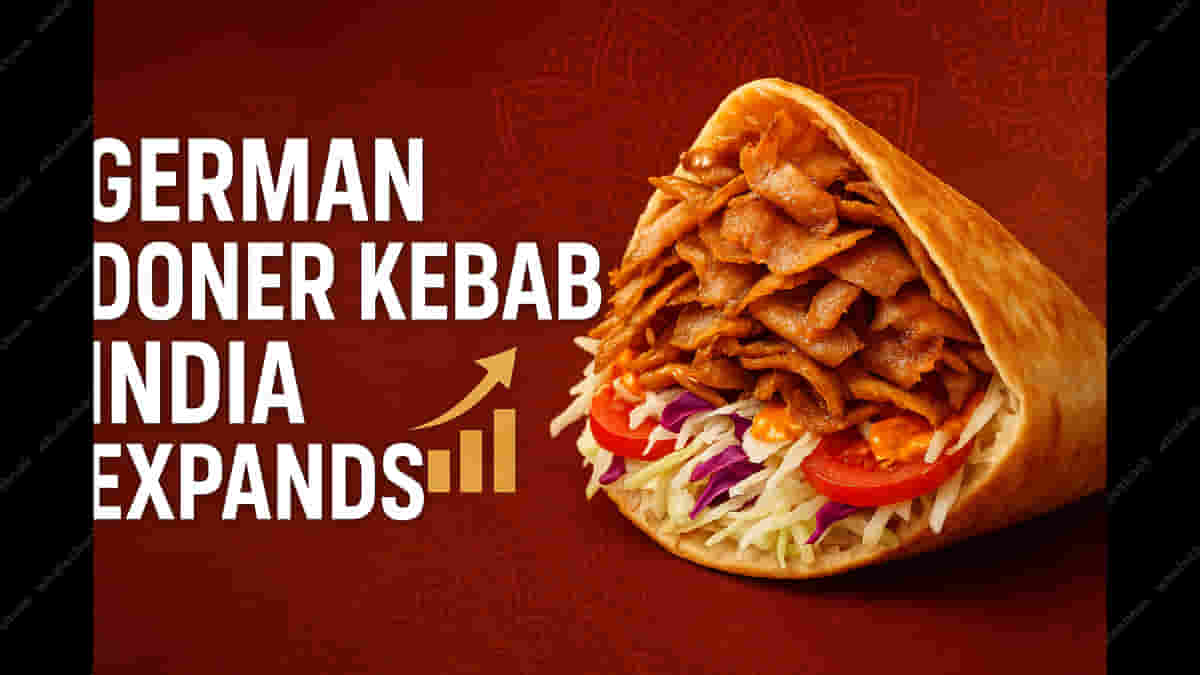


German Doner Kebab Gears Up for Indian Debut in 2026
Fast-food chain German Doner Kebab (GDK), headquartered in the UK, is poised to launch its first restaurant in India in early 2026. This strategic entry into the Indian market is a cornerstone of CEO Simon Wallis's ambitious vision to propel the company's global sales to 1 billion pounds ($1.32 billion) within the next five years.
Global Expansion Strategy
- German Doner Kebab aims to significantly scale its operations, targeting a growth from its current 170+ outlets across the UK, Europe, North America, and the Middle East to nearly 900 locations globally.
- The ambitious 1 billion pound sales target underscores the company's confidence in its expansion model and market potential.
India's Market Appeal
- CEO Simon Wallis highlighted India as a 'ripe' market for GDK's offerings, citing the nation's burgeoning middle class and increasing consumption of protein-rich foods.
- He also noted India's status as a thriving economy, which naturally attracts numerous international brands seeking growth opportunities.
Partnership and Operations
- The Indian expansion will be spearheaded by a master franchise agreement with GBC India, a Middle East-based entity known for its bakery product supply.
- In alignment with market sensitivities, GDK will follow the lead of established players like McDonald's and Burger King by omitting beef from its menu, opting instead for lamb to cater to local dietary preferences.
Competitive Landscape
- GDK's entry occurs at a time when other global fast-food giants, including Little Caesars and Papa John's International, are also intensifying their expansion efforts in India.
- However, this growth is juxtaposed with challenges faced by established brands like Yum Brands' KFC and Pizza Hut, which are experiencing slower sales due to consumer cutbacks, creating an opening for 'newer, more disruptive brands to emerge', according to Wallis.
Financial Projections and Strategic Focus
- GDK anticipates a notable increase in sales, projecting them to rise to over 183 million pounds this year, up from 161 million pounds in 2024.
- While GDK's former CEO had previously suggested potential NYSE listing plans, the current focus under Simon Wallis is firmly on achieving the 1 billion pound sales milestone, with no immediate listing plans announced.
Impact
- This development is expected to intensify competition within India's rapidly growing Quick Service Restaurant (QSR) sector.
- Consumers will benefit from increased choices and potentially new culinary experiences.
- The expansion signifies sustained investor interest in the Indian consumer market, particularly in the food and beverage segment.
- Impact Rating: 7/10
Difficult Terms Explained
- Master Franchise: An agreement where a franchisee gains the right to develop and operate multiple outlets of a brand within a specific territory, often with the right to sub-franchise to other operators.
- Private Equity: Investment funds that invest in companies not listed on a public stock exchange. These firms typically aim to improve the company's performance and sell their stake for a profit.
- Protein Consumption: The intake of foods rich in protein, such as meat, dairy, eggs, and legumes. An increasing trend in protein consumption is often linked to rising disposable incomes and health consciousness.
- Disruptive Brands: Companies that introduce innovations or new business models that significantly alter the existing market structure, often challenging established players and consumer habits.