

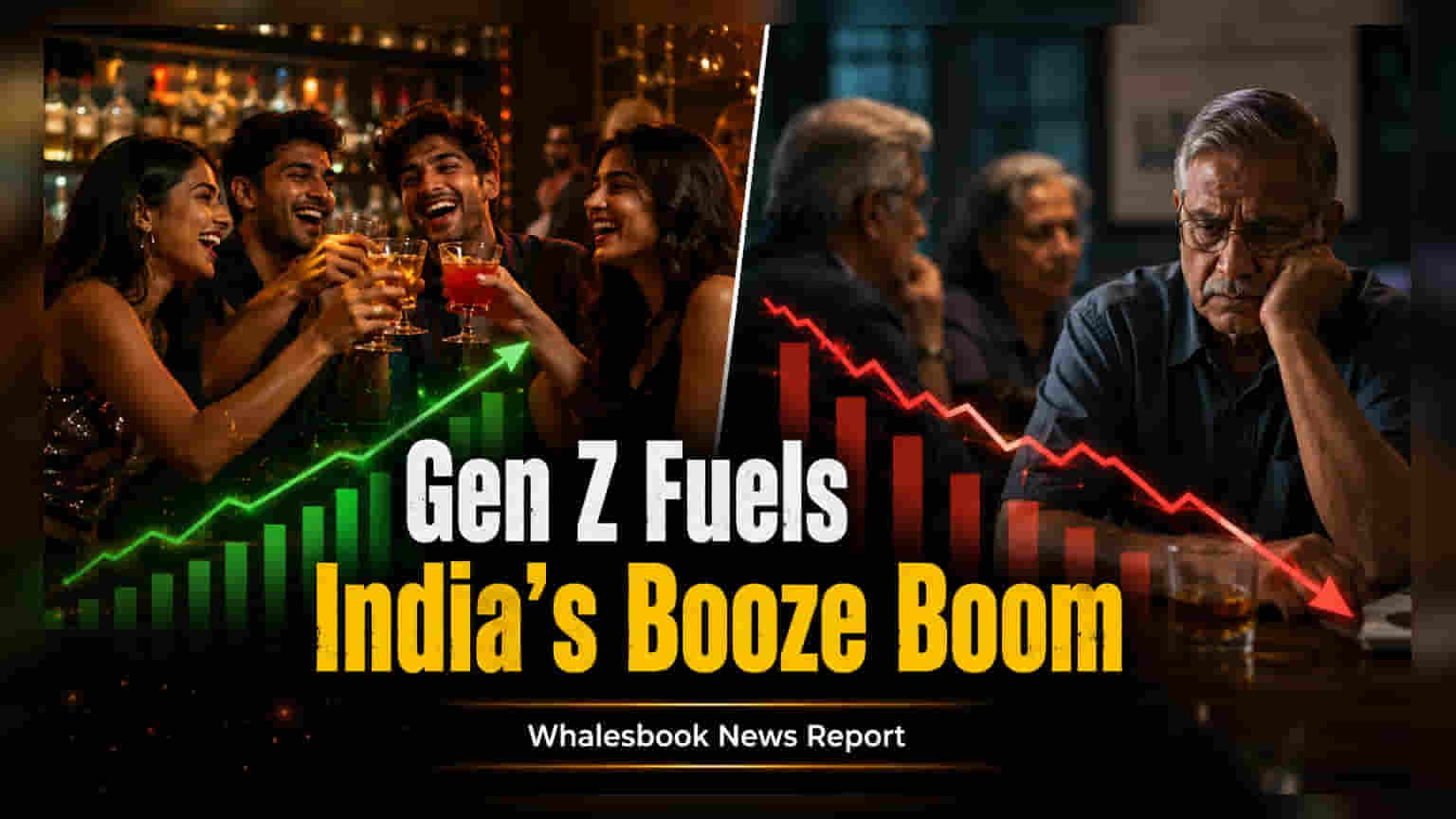
Data shows 80% of India’s Gen Z are now alcohol consumers, marking a rise from 60% in 2023. This shift toward premium products is driving growth for Indian distillers, even as older generations reduce their intake. The trend indicates a long-term change in consumer habits, with younger buyers increasingly opting for higher-value spirits and dining-out experiences.
The Indian alcoholic beverage market is witnessing a significant shift in consumer demographics. Recent industry data reveals that alcohol consumption among Indians aged 21 to 28 has reached 80% as of March 2026. This is a notable rise from 70% in 2025 and 60% in 2023. This trend runs counter to global movements where younger populations are often seen adopting moderation, and it highlights a growing preference for premium spirits among India's younger drinkers.
Generational Shift Impacts Industry
While younger demographics are increasing their participation, the industry is observing a reduction in alcohol consumption among Baby Boomers. Market experts note that this reversal of generational trends is keeping the Indian sector resilient despite global market slowdowns. Unlike international markets where at-home drinking has remained popular since the pandemic, Indian social habits are currently fueling a resurgence in out-of-home consumption. Roughly 60% of drinking occasions now take place in bars, clubs, or restaurants, compared to 32% at home.
Focus on Higher-Value Products
Distilleries are responding to this trend by focusing on premiumization, which refers to the consumer shift toward higher-priced and better-quality products. Younger consumers are showing a strong interest in categories beyond traditional whisky, including vodka and tequila. Industry participants such as Allied Blenders and Distillers and Tilaknagar Industries have pointed out that Gen Z consumers are more exploratory, often choosing brands based on storytelling, design, and social influence.
Companies like United Spirits have also noted that consumers are prioritizing quality and authenticity over pure volume. This preference for elevated experiences is moving beyond major metropolitan areas, reaching Tier II and Tier III cities as digital access and disposable incomes rise. While whisky remains the dominant spirit category, the increase in demand for blended Scotch and premium Indian brands underscores this transition.
Potential Risks and Market Monitorables
For investors, the long-term outlook depends on the company's ability to navigate the complex regulatory environment of the Indian alcohol market. Each state in India has its own excise duty structure, licensing policies, and tax regulations, which can significantly affect profit margins and distribution efficiency. Additionally, while the premium segment is growing, it requires continuous marketing investment to maintain brand loyalty among younger, experimentative consumers. Investors may monitor how established companies manage their product mix to cater to these evolving preferences, alongside any updates on state-level regulatory changes that could impact pricing or availability.