

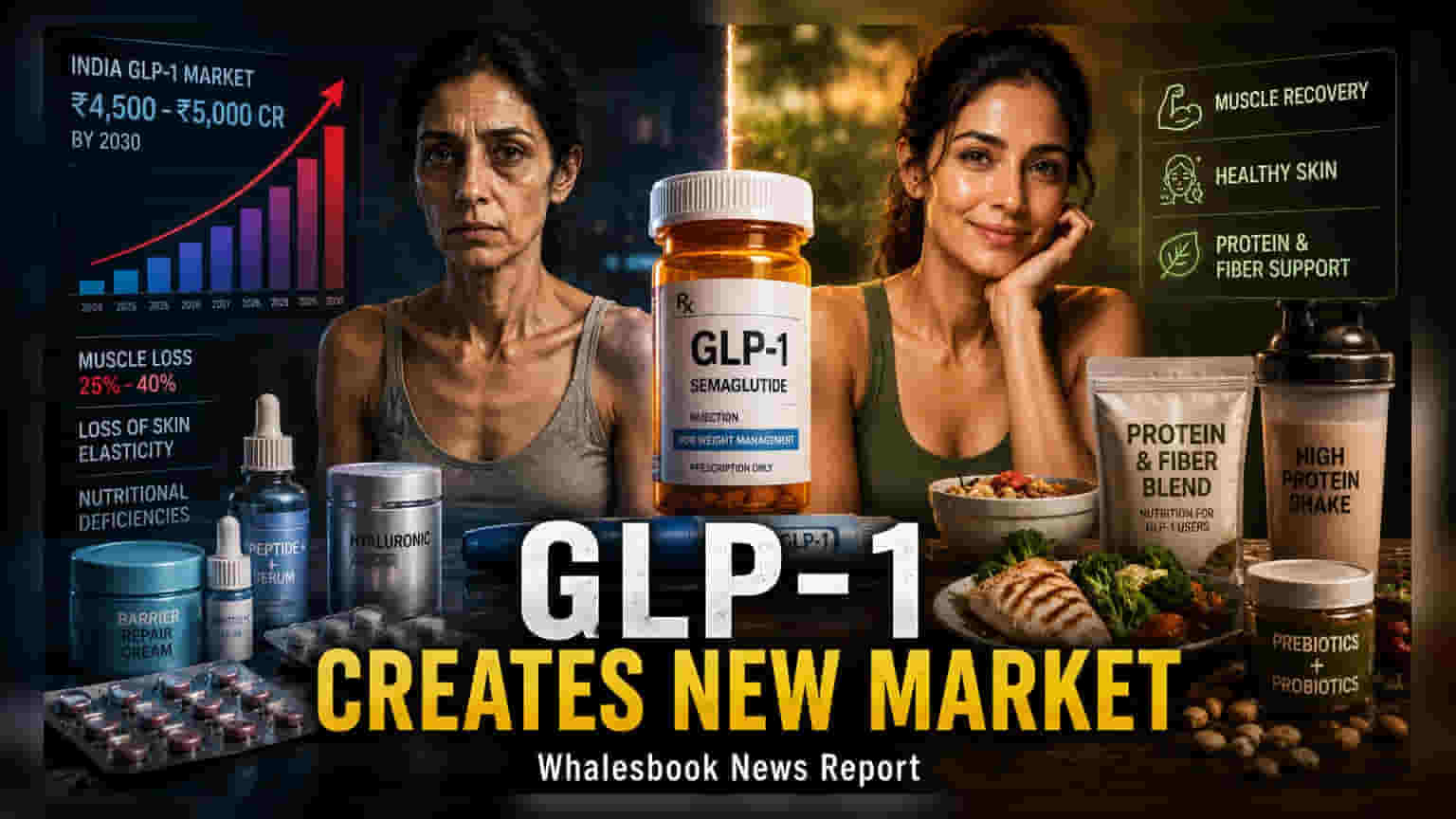
The rapid rise of GLP-1 weight-loss medications following the March 2026 patent expiry is creating a surge in demand for specialized nutrition and beauty products. Companies like Nestle, Dr. Reddy’s, and Tata Consumer are now launching functional foods and supplements to address side effects such as muscle loss and reduced skin elasticity. Investors should note that while this represents a fresh growth area, success will depend on navigating strict regulatory compliance and intense market competition.
The landscape for health and wellness in India is shifting as the use of GLP-1 weight-loss medications gains momentum. This trend accelerated significantly after the March 2026 patent expiry of semaglutide, a key compound in these therapies. The entry of over 20 domestic pharmaceutical companies offering generic alternatives has made these treatments more accessible and affordable, leading to a wider user base. However, this rapid adoption has highlighted a specific set of physical side effects, prompting a wave of product innovation from consumer goods and pharmaceutical companies alike.
Clinical data indicates that patients using these therapies often experience not just fat loss, but also a reduction in lean muscle mass, with some estimates suggesting a loss of 25% to 40% of body mass coming from muscle rather than fat. This depletion, combined with the loss of skin elasticity and facial volume, has created a clear gap in the market. Companies are now rushing to launch products designed to support muscle recovery, improve skin health, and fill nutritional gaps, such as protein and fiber deficiencies, which are common among users of these medications.
New Product Launches and Corporate Entry
Collaboration between established players is a primary strategy in this emerging space. Dr. Reddy’s Laboratories and Nestlé Health Science have already launched a product called Celevida GLP+. This medical nutrition offering is formulated to specifically help manage muscle mass and protein intake for patients undergoing GLP-1 or GIP therapy.
Similarly, Tata Consumer Products is preparing to enter this segment, with plans to roll out a range of protein- and fiber-enriched functional foods and beverages within the coming weeks. The strategy is to provide consumers with convenient ways to supplement their diets, including prebiotics and probiotics, which may help manage some of the systemic changes caused by rapid weight loss. Other beauty and supplement brands are also pivoting to offer barrier-repair skincare and collagen-support products to address the aesthetic side effects of the medication.
Risks and Market Monitorables
While the growth potential of this segment is significant, with projections suggesting the Indian GLP-1-related market could reach ₹4,500 to ₹5,000 crore by 2030, investors should be aware of the inherent risks. The regulatory environment is complex, as companies must navigate the intersection of food and pharmaceutical guidelines. Products in this category often sit between nutraceutical and medical nutrition frameworks, requiring careful compliance with the Food Safety and Standards Authority of India (FSSAI) and the Central Drugs Standard Control Organisation (CDSCO).
Additionally, the competitive landscape is becoming crowded. With more than 20 manufacturers now involved in the generic semaglutide market, pricing pressure is likely to be a recurring theme. The sustainability of this new market will depend on whether companies can successfully differentiate their products and gain consumer trust through efficacy. The Indian consumer's specific dietary habits, often characterized by a lower baseline skeletal muscle mass and lower daily protein intake, make the success of these interventions a matter of both health and commercial viability. Investors will need to monitor how effectively these companies execute their product launches and whether they can scale these niche offerings beyond the early adopter phase.