

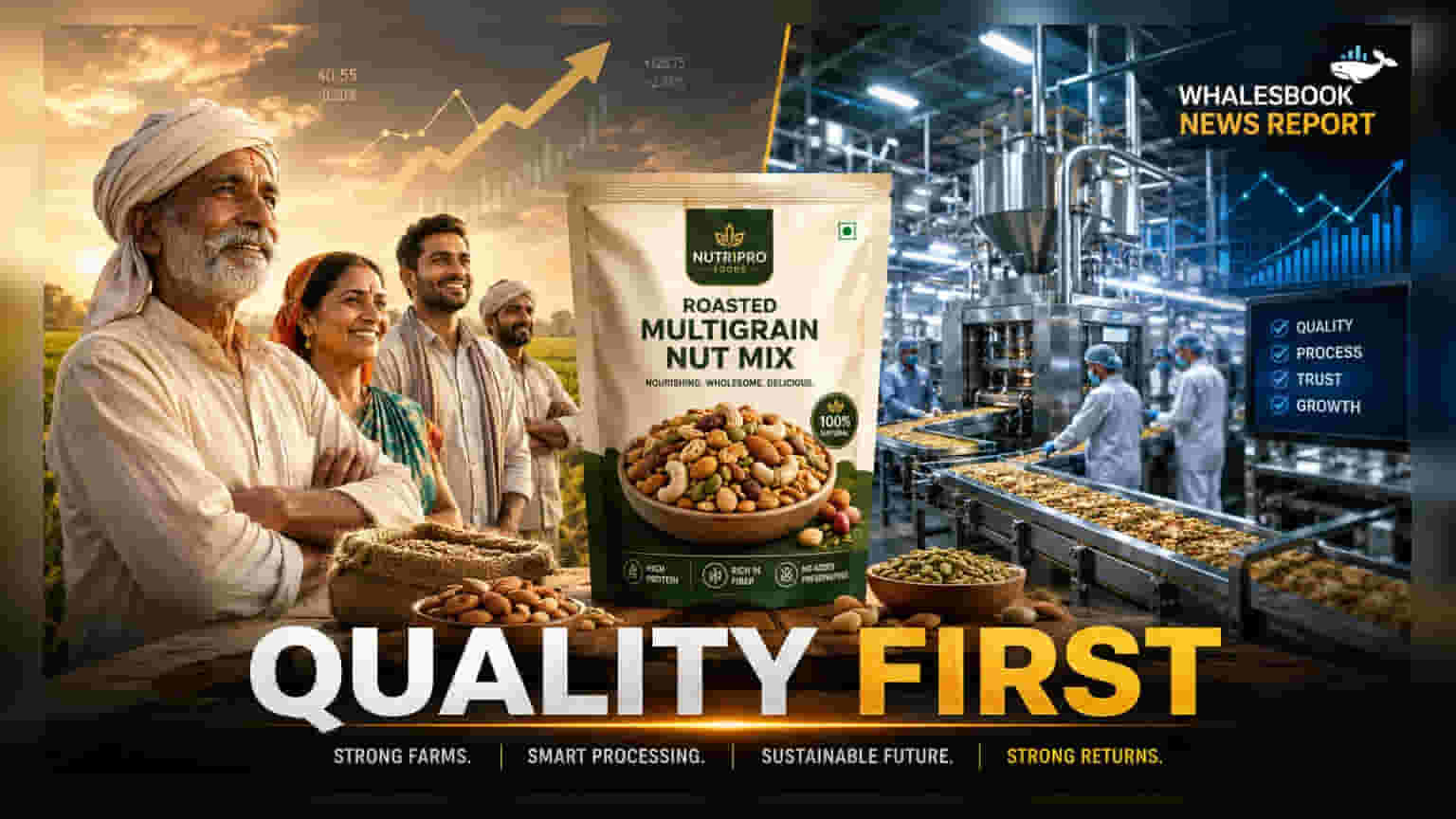
Union Food Processing Minister Chirag Paswan has urged companies to elevate product quality to compete in global markets. The call highlights the government's push for healthy snacking and improved supply chains to boost farm income and exports. Investors should monitor potential shifts in regulatory oversight and quality compliance standards for listed food processing entities.
What Happened
Union Food Processing Minister Chirag Paswan addressed the 'Indian Healthy Snacking Summit' in New Delhi on Friday, urging the food processing industry to prioritize quality standards to succeed in domestic and international markets. The minister emphasized that improving product quality is essential for Indian brands to gain global acceptance. He noted that while the sector has seen significant growth, particularly following the government's move to allow 100 percent foreign direct investment, there is a need to address consumer concerns regarding the health impact of processed foods.
Shifting Consumer Health Trends
Minister Paswan specifically highlighted the rising demand for healthier snack alternatives, particularly among India’s youth. He expressed concern over the perception that all processed food is unhealthy—a narrative he suggested is often spread by social media influencers without scientific backing. To address this, the Ministry has formed a committee involving industry stakeholders to ensure consumers receive accurate information. For investors, this signals a potential increase in regulatory focus on product labeling, nutritional standards, and marketing practices within the food processing sector.
Impact on Supply Chain and Farmer Relations
Beyond product quality, the minister encouraged food companies to play a more active role in agricultural practices. He urged firms to work closely with farmers to promote natural and organic farming methods, which could help maintain soil health and support crop diversification. From a business perspective, closer integration with the farm-gate supply chain may help companies secure better-quality raw materials, which is vital for maintaining margins and meeting strict international export requirements. The minister noted that instances of Indian food consignments being rejected for failing quality parameters remain a concern that the industry must overcome.
Sector Context and Strategic Opportunities
The Indian food processing sector has been a focus of government policy for over a decade, with initiatives aimed at reducing food waste and increasing value addition. By encouraging startups to utilize resources like the National Institute of Food Technology Entrepreneurship and Management (NIFTEM), the government aims to professionalize the sector. Companies that align their business models with these evolving quality and health-conscious standards may be better positioned to handle potential regulatory changes or shifts in consumer demand.
What Investors Should Track
Investors may want to watch for further updates from the newly formed committee on food labeling and marketing standards. Additionally, monitoring the export performance of food processing companies is important, as international quality standards continue to tighten. Companies that invest in advanced supply chain management and R&D for healthier product portfolios may see a competitive advantage as the market moves toward higher-value, quality-assured products.