 Whalesbook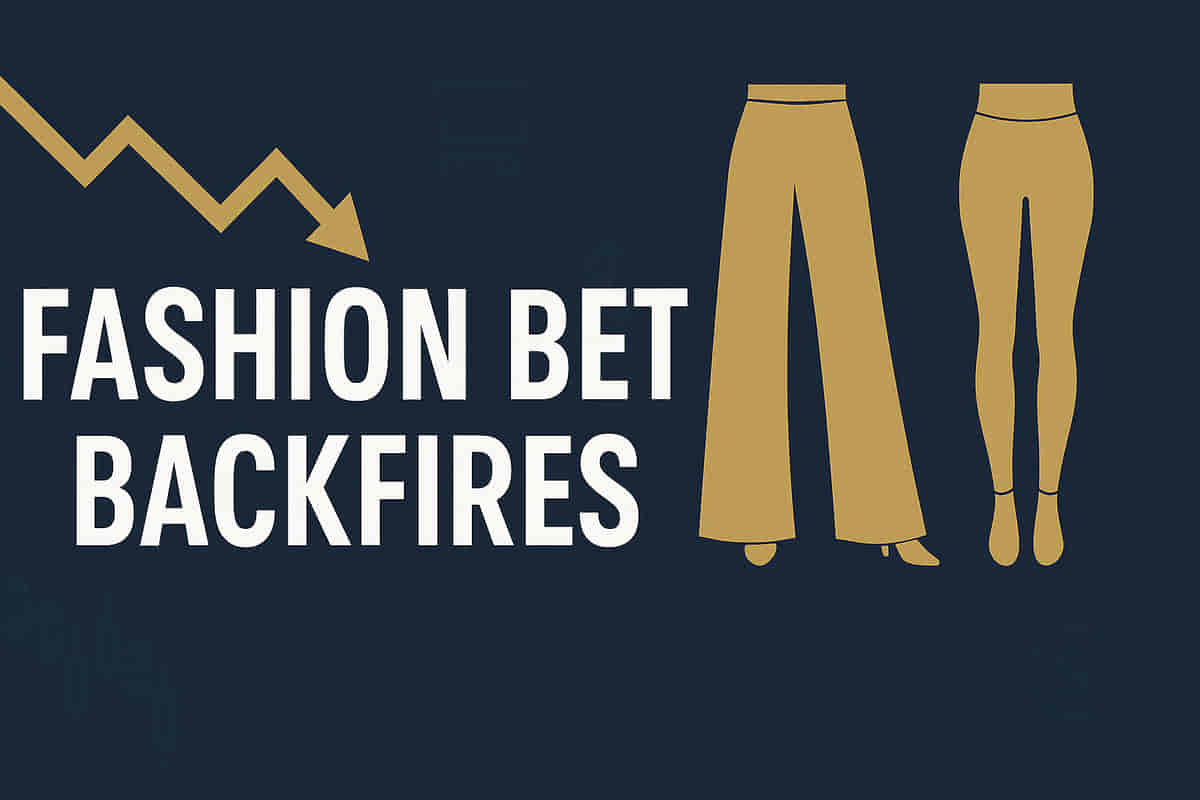
Go Fashion (India) Limited, a Chennai-based retailer that built its success on the widespread popularity of leggings, is now facing significant headwinds as fashion trends evolve. The company's strategic reliance on leggings as a core product has become a liability as consumer tastes shift towards wider silhouettes and athleisure wear. This fundamental change in the apparel market has led to a sharp decline in the company's stock value and a slowdown in its business growth, highlighting the challenges of adapting to dynamic fashion landscapes.
The Rise and Fall of Leggings
- Go Colors, the flagship brand of Go Fashion (India) Limited, rose to prominence by positioning leggings as a versatile alternative to traditional Indian churidars and a comfortable bridge to western wear.
- This strategy allowed the company to become India's only publicly listed bottom-wear focused entity, achieving significant market share and investor interest.
- However, evolving consumer preferences have seen leggings' dominance wane, with a noticeable shift towards wider leg styles, palazzos, and athleisure garments.
Financial Woes and Stagnating Growth
- Since going public four years ago, shares of Go Fashion have plummeted by nearly 60%, trading significantly below their initial listing highs.
- In the first half of FY26, total revenue saw a modest 4% year-on-year growth to ₹447 crore, while profit after tax declined by 11%.
- A critical indicator, Same Store Sales Growth (SSSG), has remained flat for ten consecutive quarters, even declining by 2.4% year-on-year in H1 FY26, signaling a lack of organic sales momentum.
- The company has also revised its annual store addition targets downwards for the third quarter in a row, from 120 stores to 80-90, indicating caution in expansion plans.
The Competitive Landscape
- Newer, digital-first brands like Cava Athleisure and BlissClub have capitalized on the athleisure trend, offering versatile, performance-oriented bottoms that appeal to younger consumers.
- These brands have positioned bottom wear not just for home use but as fashionable attire for various occasions, from airports to social gatherings.
- While Go Colors specialized in cotton, newer players often use advanced fabric blends like nylon-spandex for a more elevated look and feel.
Go Colors' Strategic Shift
- In a departure from its singular focus on bottom wear, Go Colors has begun piloting the sale of top wear and some menswear in select existing stores.
- This move aims to broaden its product offering and appeal to a wider customer base, addressing the changing market dynamics.
- The company acknowledges this as a "transition phase," expressing optimism about the large remaining opportunity in the bottom-wear segment.
Expert Opinions and Future Outlook
- Analysts from Motilal Oswal initiated coverage on Go Fashion with a 'Buy' rating in June, predicting over 30% upside potential, citing the company's leadership in bottom wear and its direct-to-consumer (D2C) model.
- However, the consistent stagnation in SSSG and the slow pace of adapting to new trends raise concerns about the company's ability to regain its growth momentum.
- Fashion designers suggest that the preference for comfortable, looser fits is unlikely to reverse, posing a long-term challenge for brands heavily invested in skinny-fit products.
Impact
- The shift in consumer preferences and its financial repercussions could lead to further stock price volatility for Go Fashion (India) Limited.
- It also serves as a cautionary tale for other retailers that might be over-reliant on single product trends, especially in the fast-paced fashion industry.
- The increasing demand for athleisure and versatile wear signals growth opportunities for companies that can effectively cater to these evolving needs.
- Impact rating: 7/10
Difficult Terms Explained
- Bottom-wear: Garments worn on the lower half of the body, such as pants, skirts, shorts, and leggings.
- Churidar: Traditional Indian tight-fitting trousers that gather at the ankle.
- Athleisure: Casual clothing styles that are inspired by athletic wear and can be worn for everyday activities.
- Silhouettes: The overall shape or outline of a garment or outfit.
- Same Store Sales Growth (SSSG): A retail performance metric that measures the increase or decrease in sales from existing stores over a specific period, excluding revenue from newly opened or closed stores.
- Profit After Tax (PAT): The profit remaining after all expenses and taxes have been deducted from a company's total revenue.
- Direct-to-Consumer (D2C): A business model where a company sells its products directly to the end customer, bypassing traditional retail intermediaries.