

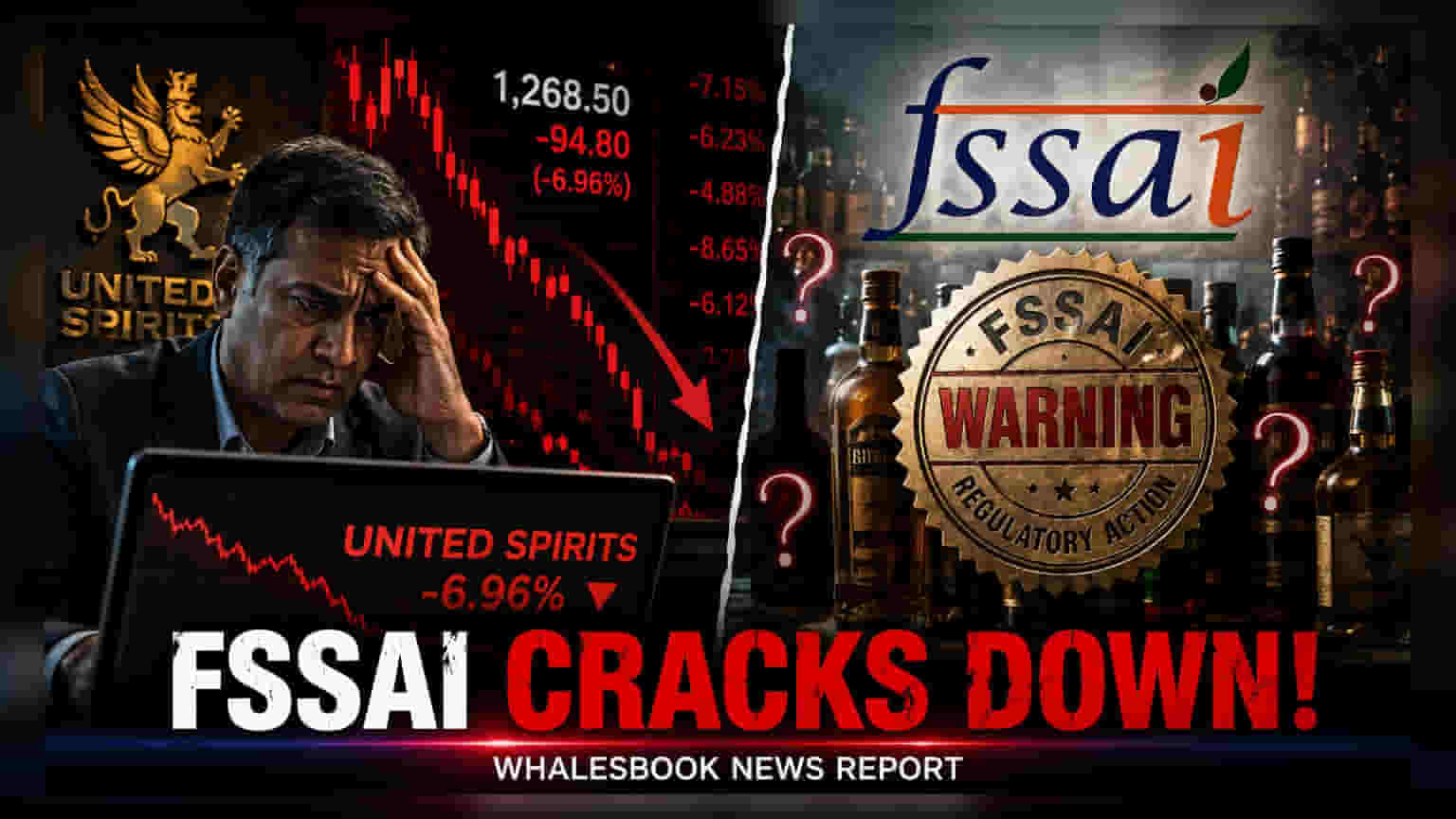
India's food safety regulator, FSSAI, has issued notices to United Spirits and INBREW Beverages for allegedly using artificial flavors to mimic natural tastes. The regulator is investigating potential violations of alcohol labeling and additive rules at multiple manufacturing facilities. This scrutiny may impact production compliance and brand positioning for major players in the Indian liquor sector.
The Food Safety and Standards Authority of India (FSSAI) has initiated a regulatory crackdown on major players in the alcoholic beverage industry, including United Spirits Ltd and INBREW Beverages. The regulator has issued notices citing the unauthorized use of artificial flavoring agents in products such as whisky and rum. According to the regulator, these additives are being used to replicate the natural taste and aroma profiles of spirits, which is alleged to be in violation of the Food Safety and Standards (Alcoholic Beverages) Regulations, 2018.
Impact on Manufacturing and Compliance
The FSSAI investigation is specifically focusing on compliance with standards that mandate transparency in product composition. The regulator has flagged practices where companies allegedly use artificial flavors to define the character of spirits, as well as concerns regarding the use of prohibited additives and misleading claims about the age of the liquor. For United Spirits, a subsidiary of the global major Diageo, the scrutiny involves specific production sites, including the Baramati plant in Maharashtra and facilities in Madhya Pradesh that produce well-known labels such as McDowell's No. 1, Antiquity Blue, and Royal Challenge.
Other industry participants, including Mohan Rocky Springwater and Associated Alcohol & Breweries, have also been named in the regulatory action. The FSSAI has commenced site inspections and is currently sampling products across multiple states, including Maharashtra and Goa, to verify adherence to established food safety norms.
Investor Context and Next Steps
For investors, the primary concern revolves around the potential for operational disruptions if the regulator orders manufacturing halts or changes to production formulations at these specific sites. While the use of flavoring is not banned in the industry, the regulatory interpretation of how these flavors define a product's identity is central to this case. Companies may face compliance costs related to updating product labels, adjusting manufacturing processes, or defending their current practices against regulatory findings.
The alcoholic beverage sector in India often faces complex state and central regulatory hurdles, ranging from taxation to labeling standards. Increased oversight from the FSSAI represents a shift toward more rigorous enforcement of product purity and transparency standards. Investors should monitor future updates regarding the outcome of these inspections, any potential penalties or corrective actions mandated by the regulator, and whether these compliance requirements force significant changes in the product mix or production timelines for the affected brands.