 Whalesbook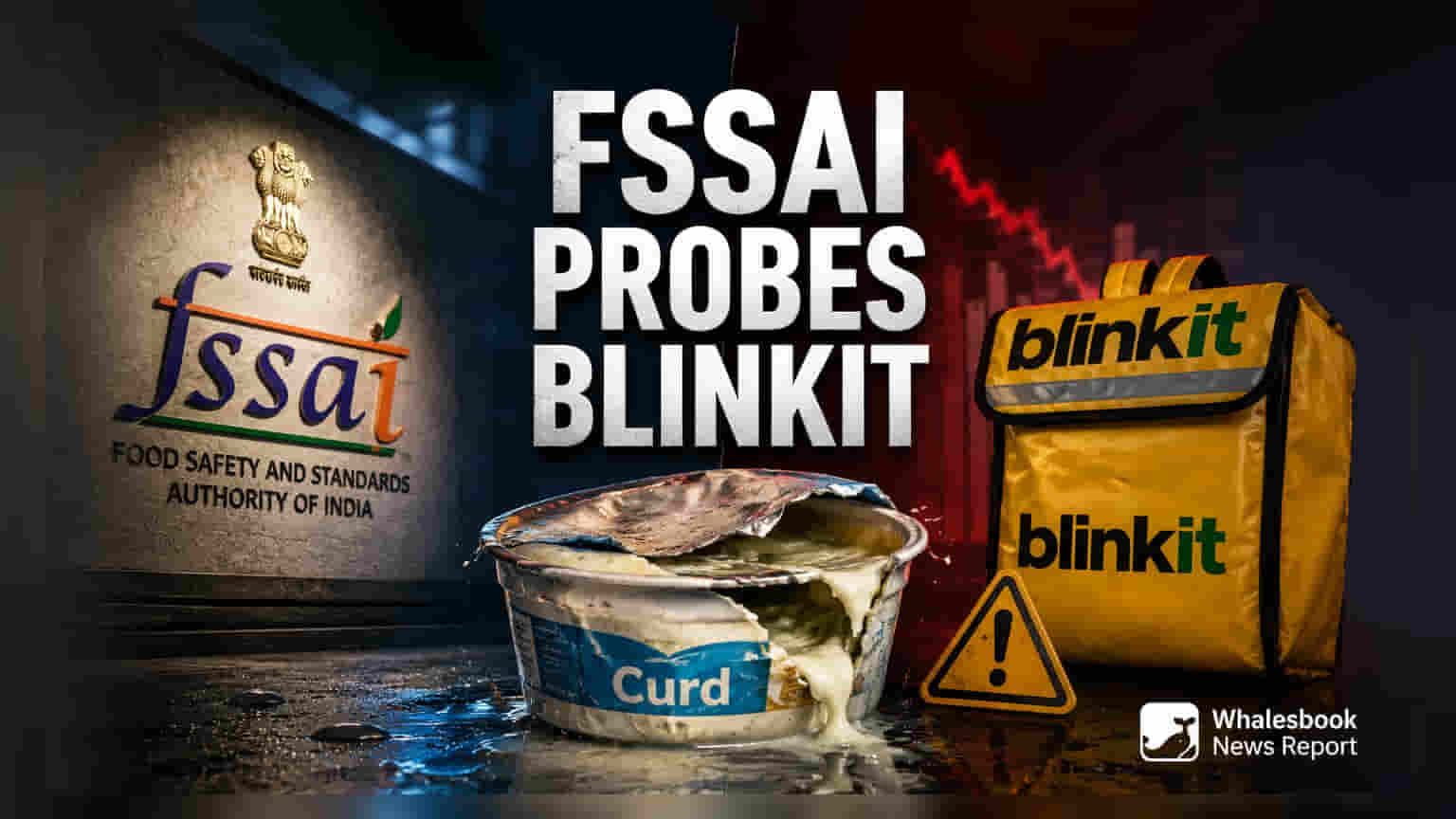


The Regulatory Friction Point
The Food Safety and Standards Authority of India (FSSAI) has formally initiated an inquiry into Blinkit after a consumer reported severe health complications, including acute stomach distress, following the consumption of curd ordered through the application. This intervention, supported by medical documentation provided by the complainant, adds to a growing list of regulatory demands for the Zomato subsidiary. The regulator has mandated a comprehensive Action Taken Report (ATR) to address these hygiene concerns, signaling that the oversight of rapid-delivery models is moving beyond mere procedural warnings toward active enforcement.
Scaling Compliance in a 10-Minute Market
This latest incident highlights the persistent tension between the rapid-delivery operational model and the rigid safety requirements mandated by the FSS Act, 2006. While Blinkit has invested in expanding its network of dark stores to maintain market leadership, these facilities have increasingly become the target of state and central food safety audits. Previous probes have unearthed systemic issues, ranging from improper cold storage temperature maintenance to the absence of mandatory hygiene certifications for food handlers. For the broader industry, the regulator has reiterated that e-commerce food business operators (FBOs) are legally responsible for the end-to-end safety of every product, regardless of whether they manufacture the item or merely distribute it.
The Bear Case: Operational and Reputational Risks
From a risk management perspective, the repeated nature of these FSSAI notices poses a distinct threat to the platform’s long-term sustainability. Each regulatory audit, whether resulting in temporary license suspensions or demands for detailed explanations, imposes an operational tax on the business. These incidents threaten the core trust of the consumer base, which is vital for maintaining the high order volumes required to justify the current valuation of the quick commerce sector. Furthermore, as competitors like Zepto and Swiggy Instamart navigate similar regulatory landscapes, the cumulative pressure of rising compliance costs—such as mandatory warehouse registration, regular hygiene audits, and strict adherence to shelf-life protocols—may squeeze the thin contribution margins that are already under scrutiny by institutional investors.
Navigating the Future Landscape
Market participants continue to monitor whether Zomato’s parent entity can successfully integrate more robust quality-control technologies and supplier vetting processes to mitigate these risks. While the growth trajectory of the quick commerce segment remains a primary pillar of the company's valuation, analysts are increasingly factoring in a 'compliance premium'—the idea that the cost of doing business safely and legally in this high-speed environment will remain elevated. The path forward for these platforms will likely require a pivot toward tighter control over the entire supply chain, potentially limiting the aggressive expansion tactics that have characterized the sector to date.