

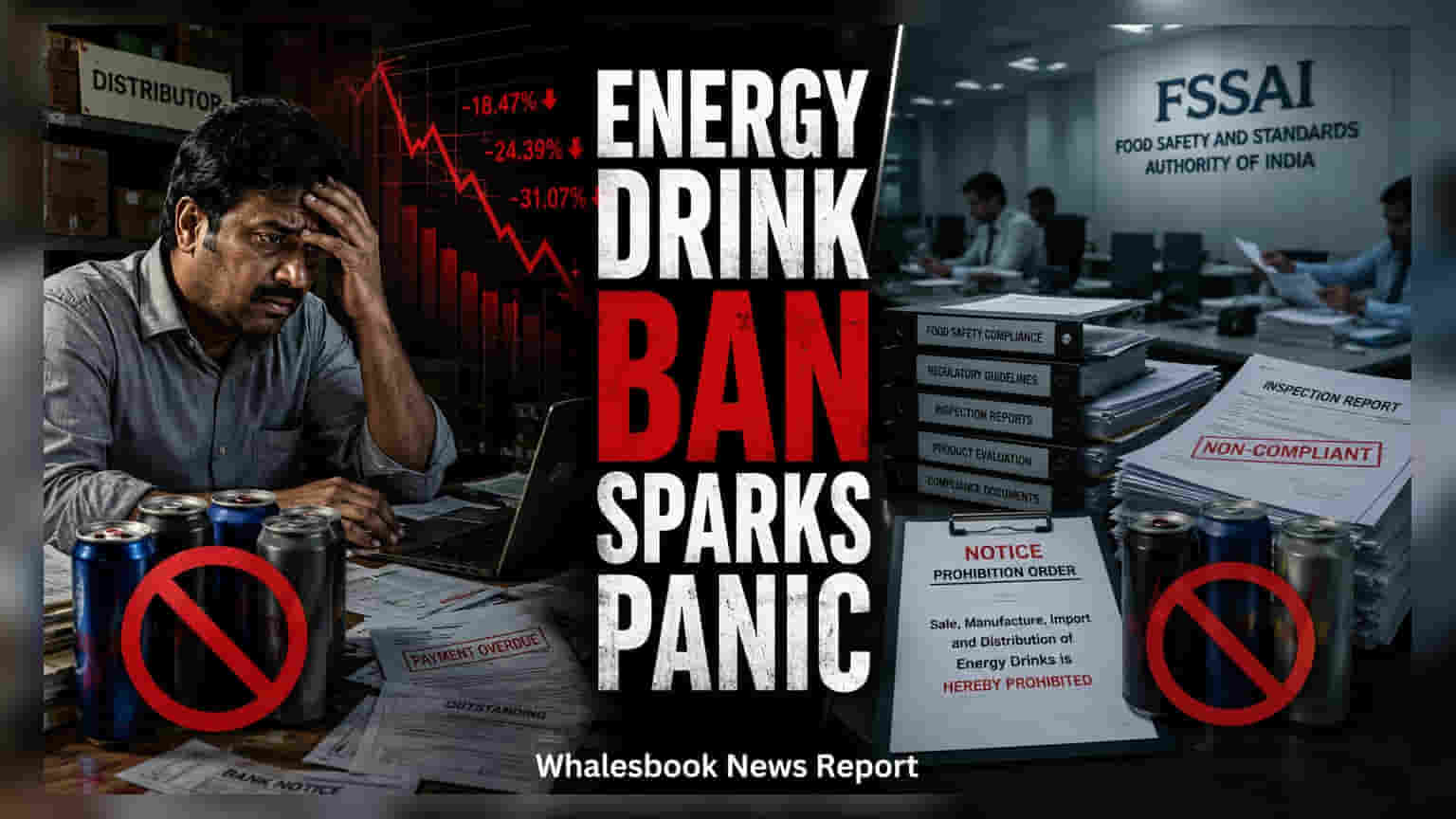
The FSSAI has ordered companies to remove 'energy drink' labels within 90 days, causing supply disruptions for major brands like Red Bull and PepsiCo’s Sting. This regulatory change creates uncertainty for a segment estimated at ₹13,000 crore annually, as distributors pause orders amid fears of potential stock seizures.
A new directive from the Food Safety and Standards Authority of India (FSSAI) is creating significant operational challenges for the domestic beverage industry. The regulator has mandated that companies must stop using the 'energy drink' label on their product packaging within 90 days. Since the order was issued on July 2, 2026, manufacturers are facing a strict compliance window that has already triggered a ripple effect across retail supply chains.
Market Impact and Retail Shortages
The immediate impact of this order is visible on retail shelves, where supplies of popular products such as Red Bull, PepsiCo's Sting, Monster, Hell, and Coca-Cola’s Thums Up Charged are thinning. Because the 'energy drink' category is not officially recognized under current FSSAI standards, the regulator has cited labeling violations as the primary reason for the crackdown. The uncertainty surrounding product compliance has led many distributors to stop picking up new stock from manufacturers, fearing that existing inventory might become unsalable or subject to seizure.
Industry Response and Regulatory Conflict
The Indian energy drinks market, which has seen rapid growth driven by younger consumers, is valued at approximately ₹13,000 crore. Industry representatives, including the Indian Beverage Association, have formally requested more time to comply with the directive. In a letter to FSSAI CEO Rajit Punhani, the association called for further consultations, noting that previous standards were established after extensive industry and scientific reviews. However, the regulator has reportedly declined requests for an extension to the 90-day deadline.
Risks to Supply and Distribution
The situation is further complicated by logistics and state-level enforcement. Beyond the labeling issue, reports indicate that some international shipments are already facing difficulties, with thousands of cans potentially stuck in transit. Meanwhile, some state-level food safety authorities have begun conducting inspections and seizing stocks from warehouses, even though the central directive is still in the early stages of implementation. This aggressive enforcement approach creates a high-risk environment for companies that rely on consistent product availability to maintain market share in a competitive beverage sector.
Investors should monitor how individual companies adjust their product packaging and marketing strategies to navigate these new requirements. The primary concern for stakeholders is whether manufacturers can re-label or re-categorize their products without losing brand identity or facing permanent inventory losses. Future updates on this matter will likely hinge on whether the FSSAI provides any flexibility or if the industry must resort to legal or formal administrative appeals to protect its market presence.