

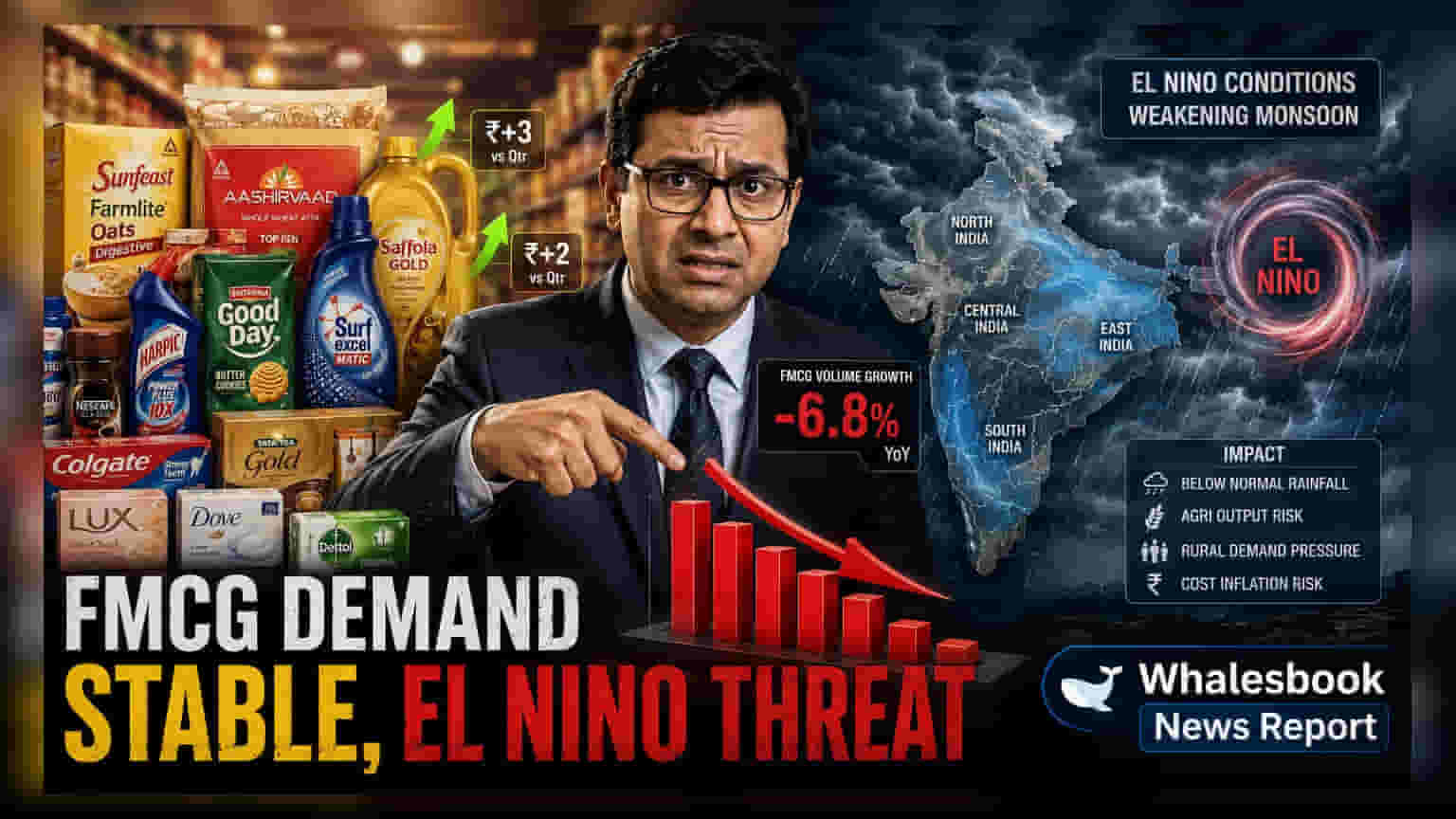
FMCG companies maintained stable volume growth in the June quarter despite inflationary headwinds. Investors should watch how potential El Nino-related monsoon disruptions impact rural demand in the coming months, as agricultural income remains a key driver for sector performance.
The fast-moving consumer goods (FMCG) sector reported a steady performance for the quarter ending June 2026, successfully navigating rising costs and global supply chain pressures. While demand for everyday items like soaps, shampoos, and packaged food remained resilient, the primary focus for the industry has shifted toward the potential impact of weather patterns on rural India.
Impact of Monsoon on Rural Consumption
Companies including Godrej Consumer Products (GCPL) and Marico have highlighted that while current urban demand is stable, the outlook for rural markets remains sensitive to agricultural output. Rural India accounts for a significant portion of volume growth for most FMCG players. The ongoing concern involves the potential development of El Nino conditions, which can lead to irregular monsoon rains. A deficit in rainfall directly affects crop yields and farmer income, which historically tends to dampen consumer spending in rural regions. Data from the end of June showed some initial rainfall deficits, leading companies to maintain a cautious outlook regarding demand in the second half of the year.
Inflation and Profitability Trends
To protect profit margins from rising raw material costs, several companies implemented price hikes throughout the quarter. These adjustments were crucial in offsetting inflationary pressures driven by volatile global commodity prices and geopolitical tensions. For instance, Marico benefited from lower copra prices, which helped balance the rising costs of vegetable oils and crude-linked raw materials. Meanwhile, GCPL noted that although commodity costs were elevated for much of the period, there were signs of cost easing toward the end of the quarter. While some firms saw margins stabilize, investors may want to monitor whether companies can sustain these profit levels if they decide to pause further price increases to boost volume growth.
Varied Performance Across Segments
Sales performance remained varied across the broader sector. Adani Wilmar (AWL) reported mid-single-digit volume growth; however, its edible oil segment encountered pressure in general trade channels. In these areas, geopolitical instability and fluctuating commodity prices led many distributors to adopt a cautious approach toward building inventory, which temporarily impacted primary sales figures. Unlike previous quarters where volume growth was consistent across all channels, this period highlighted that trade-level sentiment remains reactive to immediate price volatility. Investors should track future quarterly updates to see if rural demand patterns recover or if weather-related risks begin to significantly impact top-line growth in the upcoming festive season.