 Whalesbook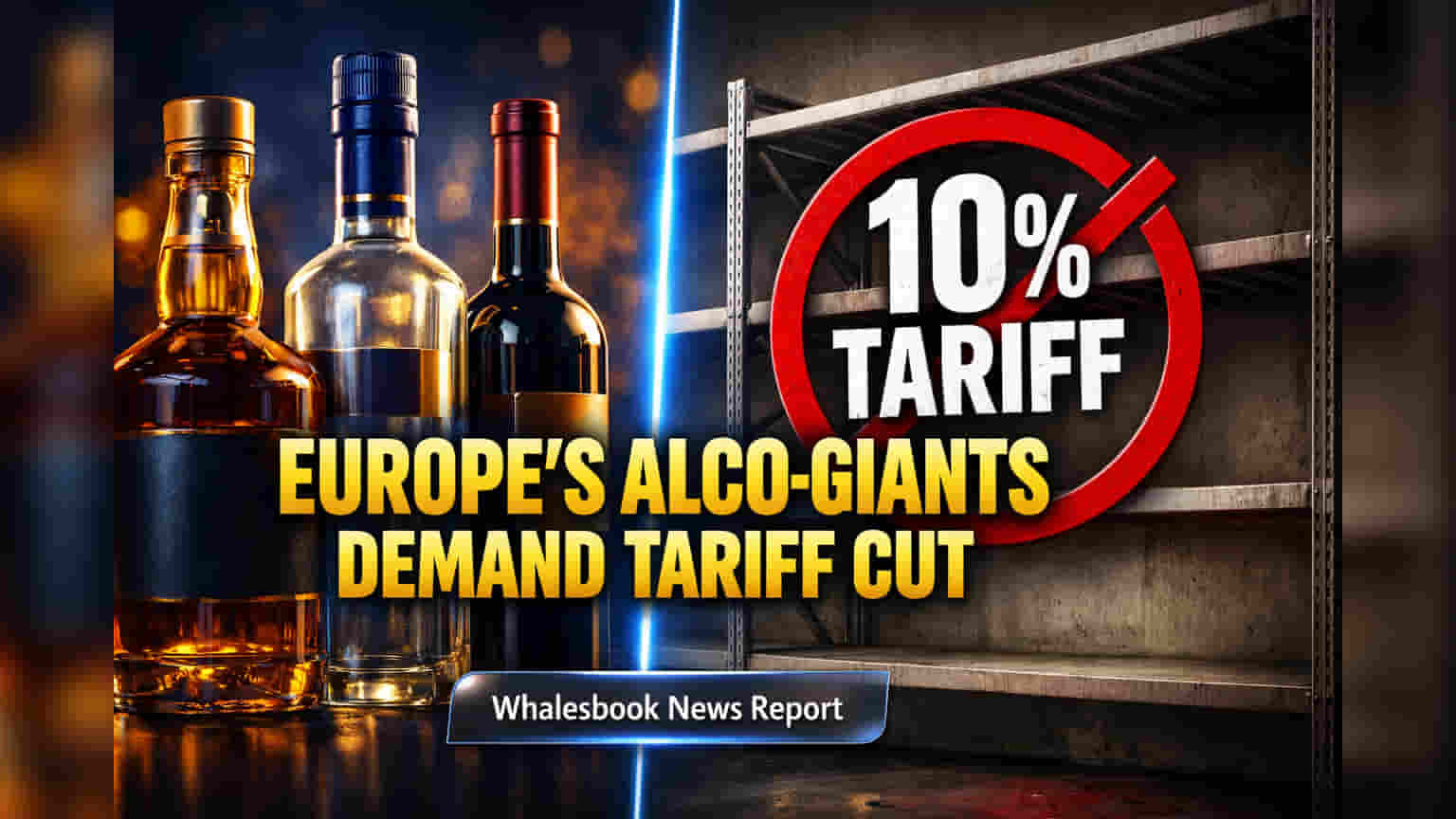


Brewers Seek Duty Relief Amid Packaging Crunch
Major European brewers, including Pernod Ricard, Anheuser-Busch InBev, Heineken, and Carlsberg, are urging India's government to grant tariff relief. The Federation of European Businesses in India formally requested an exemption from the 10% import duty on glass bottles and aluminum cans on April 2nd. This action highlights a significant supply chain vulnerability within India's substantial $65 billion alcohol sector. The core of the issue is a constraint on can and bottle supplies, as local manufacturers reportedly cannot operate at optimal production levels.
Global Conflicts Drive Up Packaging Costs
The urgency of the lobby's request is amplified by rising operational costs. The ongoing conflict in the Middle East has driven up expenses for essential packaging materials like glass bottles, cartons, and labels. Overall industry costs have reportedly increased by up to 15% due to higher prices for raw materials, including adhesives. Specifically, gas shortages, exacerbated by disruptions to Middle Eastern energy supplies, have forced some Indian glass bottle manufacturers to curtail or halt operations, directly impacting production capacity. Furthermore, shipping delays are affecting the import of aluminum necessary for can production. Exploring alternative sourcing could inflate industry costs by an additional 30%.
Major Companies Face Margin Pressure
These operational challenges hit major companies with significant market valuations. Anheuser-Busch InBev commands a market capitalization of approximately $136 billion to $139 billion with a P/E ratio around 21-22.6. Heineken, with a market cap between $44 billion and $53 billion, trades at a P/E of roughly 20.4. Pernod Ricard has a market cap ranging from $16 billion to $19 billion and a P/E ratio near 11.4. Carlsberg is valued around DKK 110 billion and shows a P/E ratio between 17.5 and 18.3. However, companies are struggling to pass these rising packaging costs to Indian consumers, squeezing their profit margins. Government approval is required for retail price adjustments in approximately two-thirds of India's states, limiting companies' pricing flexibility.
Why Packaging is Key to Production Costs
Packaging materials make up a large share, around 60-65%, of production costs for Indian beer and spirits makers. This heavy reliance on packaging creates a significant vulnerability. The recent requirement for mandatory Bureau of Indian Standards (BIS) certification for aluminum cans has also complicated domestic supply. Key local producers are already running at full capacity, with new production lines months away. Geopolitical factors are also affecting aluminum prices, which are particularly sensitive to supply chain disruptions. While aluminum producers can usually pass on metal costs, volatile energy prices have a larger impact on glass and PET packaging. India's alcohol market is forecast to grow nearly 8% annually until 2033, with its packaging market expected to reach $89.6 billion by 2031. This expansion trajectory amplifies the strategic importance of resolving packaging supply issues.
Risks Rise if Duty Waiver Fails
A key risk for European alcohol majors is that their lobbying efforts to secure a duty waiver might fail. If the waiver isn't granted, they face ongoing cost inflation and potential supply issues, especially as India enters its peak summer demand season. This situation highlights a weakness in India's domestic packaging manufacturing, showing an over-reliance on imports that could slow the growth of its large alcohol market. The complex regulatory environment in India, where state governments control pricing, offers little buffer against such cost shocks. Furthermore, India's dependence on Middle Eastern natural gas for its glass production facilities makes the sector susceptible to further geopolitical volatility.
Market Growth Faces Packaging Hurdle
Industry analysts expect continued growth for India's alcohol market, fueled by rising incomes, urbanization, and a trend towards premium products. However, the current packaging crisis tempers this optimistic outlook. Analysts generally rate key players positively. For example, Citigroup has a 'Buy' rating on Heineken and has raised its price target, while several analysts recommend 'Buy' for Anheuser-Busch InBev. Despite positive analyst views, resolving packaging supply issues and import duty challenges will be crucial for sustained profits and growth in India.