

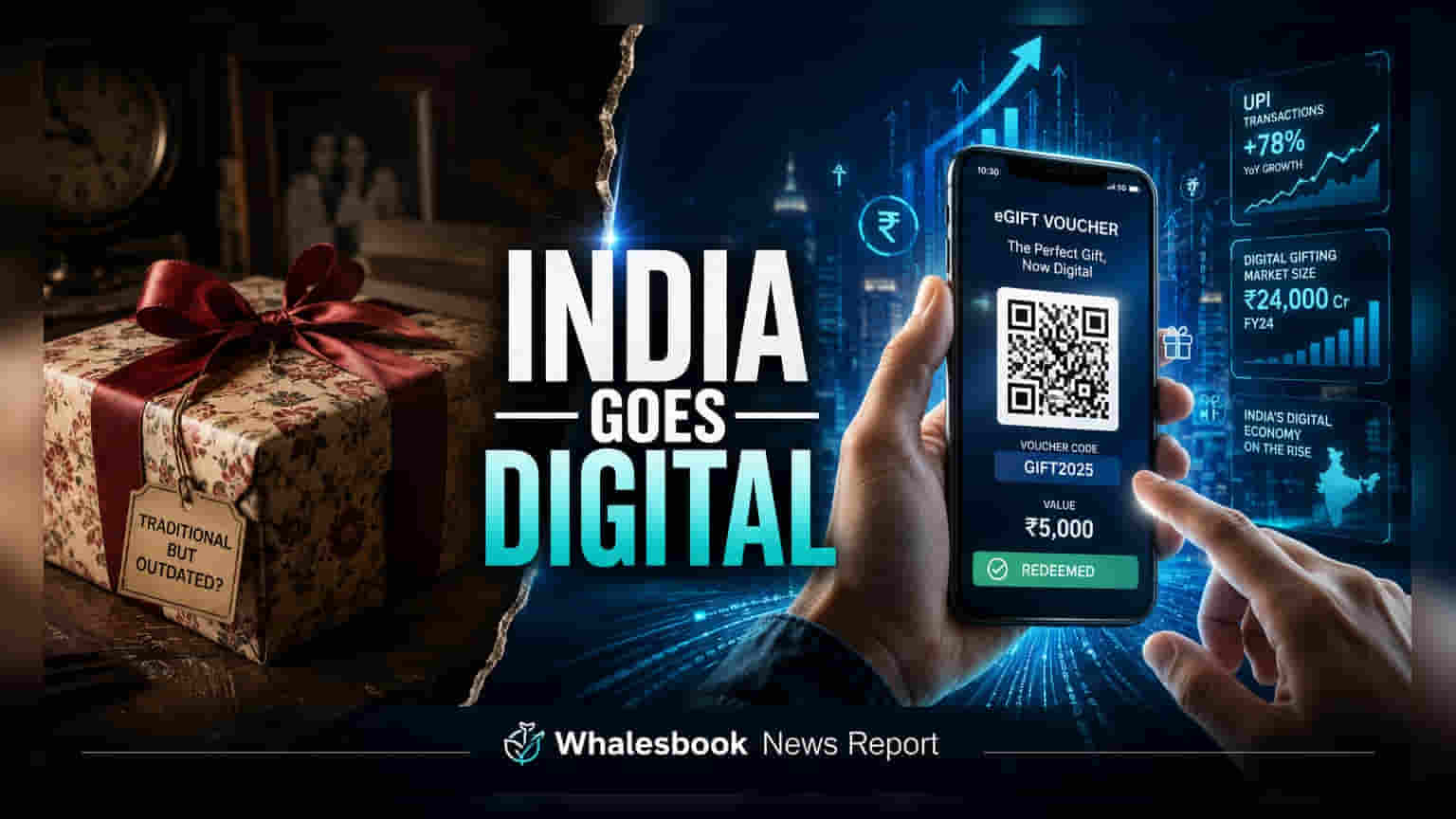
India’s gifting sector is shifting toward digital vouchers and QR-based payments, driven by convenience for both corporate and personal use. This change is being led by younger generations and is transforming how companies handle employee rewards and loyalty programs.
The way Indians celebrate occasions and reward employees is undergoing a significant transition. Traditional physical gifts are increasingly being replaced by digital alternatives such as e-vouchers, prepaid cards, and QR-based monetary contributions. This change is not limited to personal celebrations; it has become a central part of corporate operations and loyalty programs.
Digital Adoption in Corporate Rewards
Corporate houses are moving away from traditional, standardized gift items that often have limited utility for the receiver. Companies are now utilizing digital platforms to provide personalized rewards that allow employees the flexibility to choose products or experiences they value. This shift is helping organizations streamline their reward processes while tracking employee engagement more effectively. By replacing physical logistics and inventory management with digital delivery, businesses are also aiming to optimize their spending on employee benefits.
The Role of UPI and Mobile Infrastructure
Growth in this segment is closely linked to India’s robust digital payment infrastructure. The widespread use of Unified Payments Interface (UPI) and the rise of mobile commerce have made the exchange of digital value nearly instantaneous. Consumers can now send gifts across different cities without the physical constraints of shipping or delivery timelines. The integration of QR codes at events like weddings further illustrates how digital gifting is becoming a mainstream cultural practice, allowing guests to contribute digitally with ease.
Generational Shifts and Future Trends
Data suggests that younger demographics, specifically Millennials and Gen Z, are the primary drivers of this trend. Their preference for convenience and immediate utility is forcing a change in how gifting services are designed. These users tend to prioritize experiences and choice over traditional physical items. Consequently, companies operating in this space are increasingly investing in artificial intelligence to better curate gift options based on past behavior and individual preferences.
For investors, the key monitorable in this space is the scalability of these digital platforms and their ability to maintain margins as competition increases. While digital gifting offers a clear advantage in terms of cost and convenience, these companies must continuously manage technology integration risks and ensure data security to maintain user trust. The shift from physical to digital is expected to continue as long as convenience remains a priority for both corporate and individual consumers.