

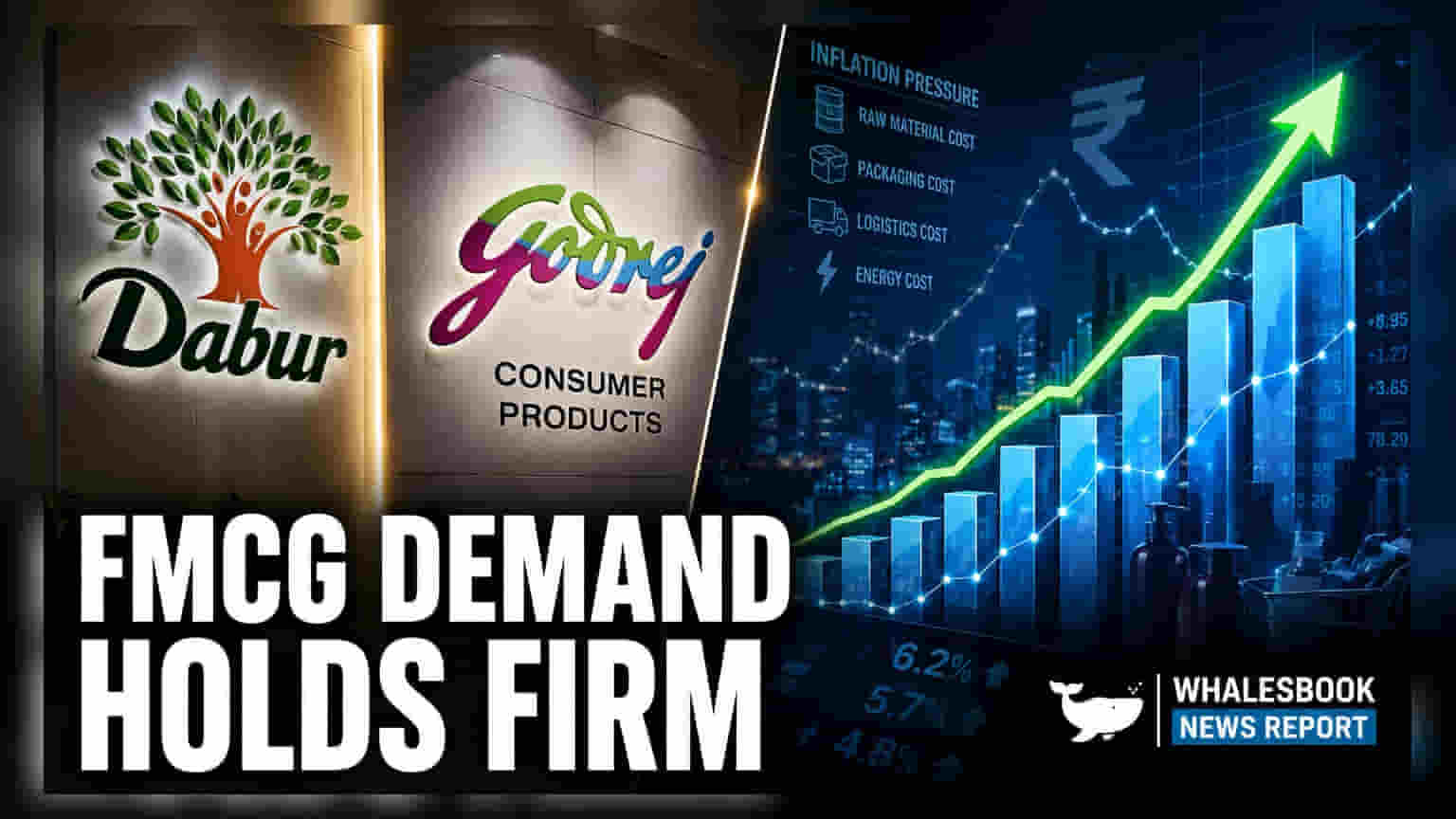
FMCG majors Dabur and Godrej Consumer Products reported resilient Q1 FY27 demand despite input cost inflation from rising crude prices. Both companies are balancing price hikes with volume growth, even as they flag potential risks from extreme weather conditions affecting rural markets.
What Happened
Dabur India and Godrej Consumer Products have reported steady demand trends for the first quarter of fiscal year 2027. Both companies indicated that consumer interest has remained firm despite broader geopolitical challenges and cost pressures. While input costs linked to crude oil prices posed initial hurdles during the quarter, companies managed these through targeted price adjustments. Godrej Consumer Products reported an acceleration in value growth, while Dabur noted a sequential improvement in its business trajectory compared to previous quarters.
Why This Matters For Investors
For investors, the ability of these companies to maintain volume growth while managing price hikes is a key indicator of brand strength. Both firms are aiming for strong financial performance, with Godrej Consumer expecting high-teens revenue growth and Dabur projecting double-digit growth in both revenue and profit. Maintaining these margins depends on their ability to pass on costs to consumers without hurting demand volume, a balancing act that remains central to their quarterly earnings reports.
International Market Performance
International operations provided a significant boost to both companies in Q1. Dabur reported double-digit sales growth in markets including Egypt, Turkey, Bangladesh, and the UK. Similarly, Godrej Consumer saw robust performance across its Africa, USA, and Middle East segments. Easing conditions in West Asia have contributed to this growth, suggesting that geographical diversification is helping these firms offset domestic inflationary pressures.
Weather and Cost Risks
While the current demand environment appears stable, both companies have identified potential risks. Extreme weather patterns, such as El Niño, remain a monitorable threat as they can disrupt agricultural output and directly impact rural consumption—a vital segment for FMCG players. Additionally, while crude-linked input costs showed signs of easing toward the end of the quarter, any renewed volatility could place renewed pressure on profit margins. Marico, a key peer in the industry, recently echoed similar caution regarding these inflationary trends.
What Investors Should Track
Investors may monitor upcoming quarterly filings for confirmation of volume versus value growth. The impact of climate conditions on rural demand is a critical factor for the next few quarters. Additionally, tracking how these companies manage raw material costs in an environment of fluctuating commodity prices will be essential for assessing their long-term margin sustainability.