

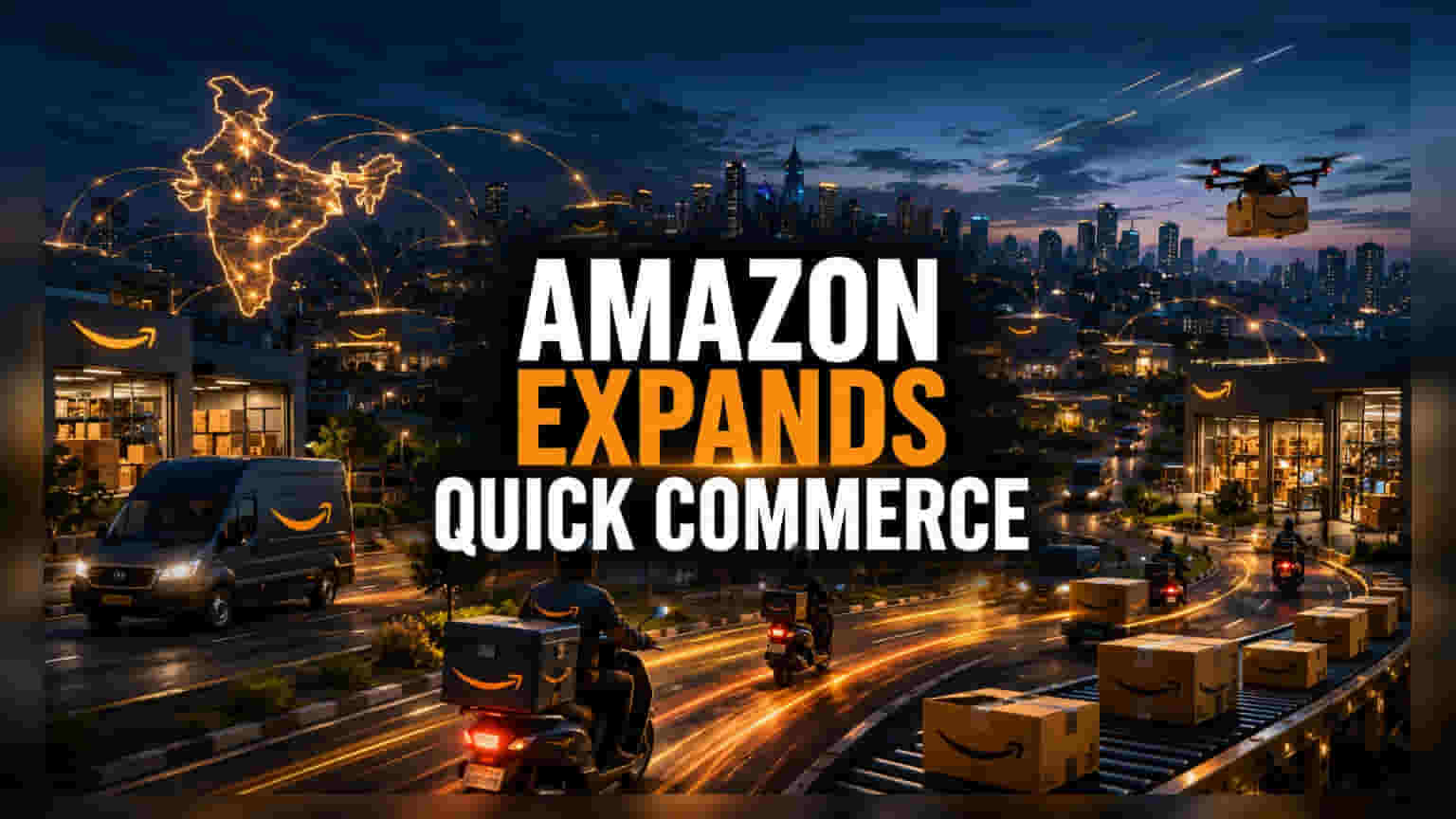
Amazon is aggressively expanding its quick-commerce network in India, adding nearly two micro-fulfillment centers daily to improve delivery speeds. The e-commerce giant is also widening its product range beyond essentials, creating new competitive pressure for incumbent quick-commerce players in the country.
What Happened
Amazon is significantly ramping up its quick-commerce presence in India. The company is currently adding almost two new micro-fulfillment centers every day to improve its delivery speed and network reach. This initiative follows the launch of its "Amazon Now" service in 2025. The company has already established over 300 of these centers and plans to continue this expansion across existing and new cities to meet the growing demand for rapid delivery services.
The Shift to Broader Categories
Unlike early quick-commerce models that focused almost exclusively on groceries and daily essentials, Amazon is broadening its strategy. The company is introducing over 100 urban fulfillment centers to support a wider array of products. This includes electronics, apparel, footwear, jewelry, luggage, and furniture. This move suggests that Amazon is positioning its quick-commerce arm as a comprehensive shopping solution rather than just a grocery delivery service, aimed at customers who need products within minutes or hours.
Competitive Impact on Indian Markets
Amazon’s aggressive push into this segment has significant implications for the Indian e-commerce landscape. The quick-commerce space in India is currently dominated by players like Zomato (which operates Blinkit), Swiggy Instamart, and Zepto. These companies have conditioned consumers to expect ultra-fast deliveries for a wide range of items.
While Amazon.com Inc is a US-listed company and not directly available on Indian stock exchanges, its intensified activity creates direct pressure on listed domestic competitors. Investors in companies like Zomato may track whether this increased competition leads to higher customer acquisition costs, delivery partner expenses, or margin pressure across the sector.
Investment and Operational Risks
Amazon’s expansion is supported by a broader ₹2,800 crore investment aimed at boosting its Indian operations, technology, and associate well-being. However, the quick-commerce business model faces inherent challenges. It is capital-intensive and requires a massive logistics infrastructure to succeed. Companies in this space often struggle with high delivery costs and the need for high transaction volumes to break even.
Additionally, the rapid expansion of fulfillment centers brings the risk of operational inefficiencies if demand does not match the increased capacity. The company is relying on artificial intelligence and machine learning for inventory planning and route optimization to manage these risks. Furthermore, regulatory scrutiny regarding the gig economy and delivery partner welfare remains a persistent factor in the Indian logistics sector.
What Investors Should Track
For investors observing the broader e-commerce and retail sector, the key monitorables are how incumbent quick-commerce players respond to Amazon’s wider category expansion and whether this leads to a price war or aggressive discounting. The financial health of the sector will depend on how efficiently companies can manage the rising costs of infrastructure and last-mile delivery while attempting to achieve profitability.