 Whalesbook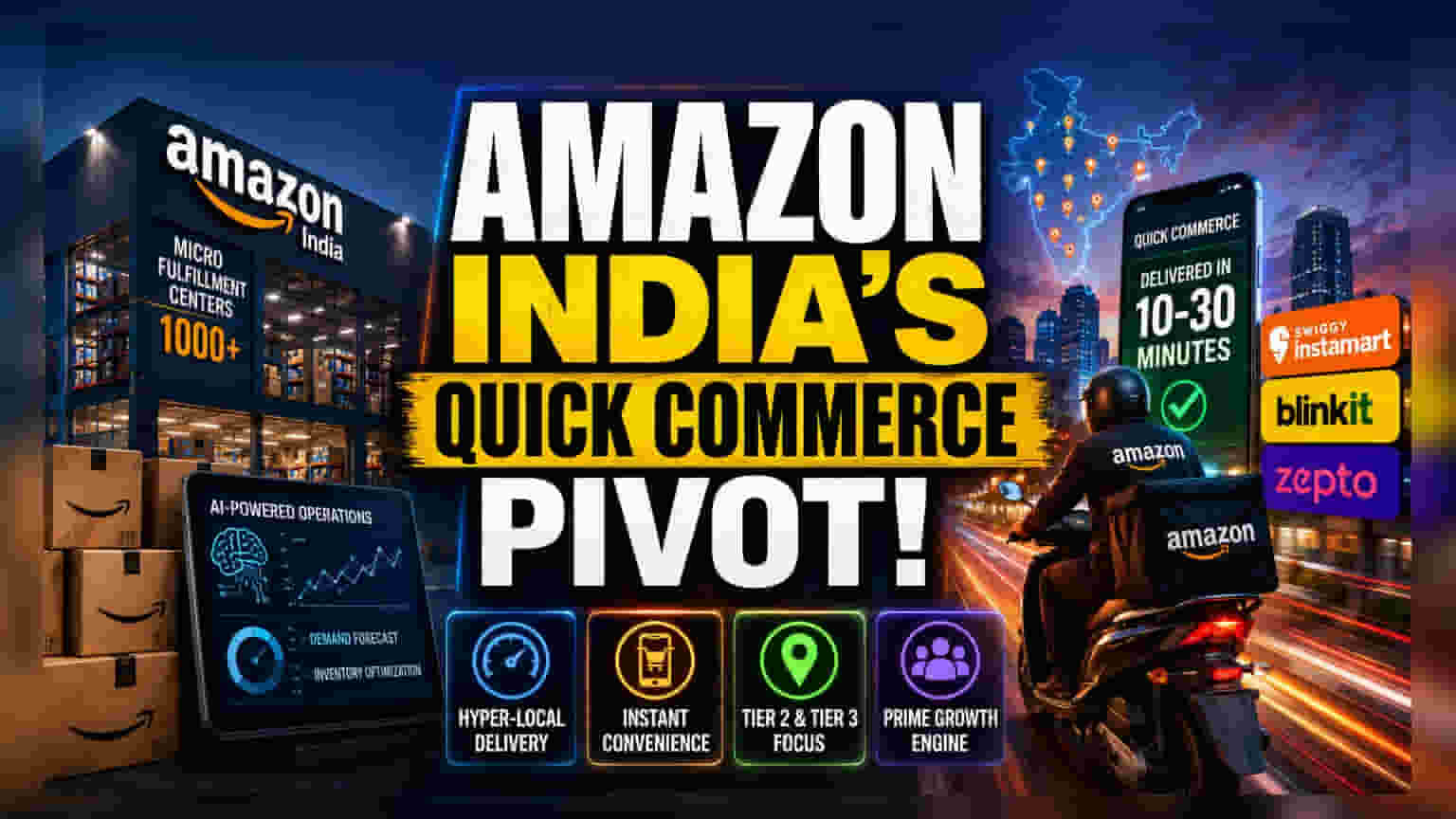


The Structural Pivot
Amazon India is aggressively retooling its domestic strategy, transitioning from a reliance on broad-based scheduled grocery delivery to a hyper-localized quick commerce model. This move reflects an acknowledgment that the Indian retail market has undergone a fundamental shift toward instant gratification. By leveraging its existing infrastructure and deploying over 1,000 micro-fulfillment centers, the company seeks to address the competitive pressure exerted by agile, category-specific rivals such as Swiggy Instamart, Blinkit, and Zepto.
The Operational Bet
Management emphasizes that this expansion is driven by technological efficiency rather than raw capital burn. The integration of artificial intelligence for demand forecasting and inventory management at these micro-sites serves as the backbone of the new operational layer. By phasing out slower service models in key metros, Amazon aims to replicate the unit economics that have allowed its competitors to dominate the impulse-purchase category. Recent internal directives underscore a shift away from capital-heavy retail assets in favor of more flexible, high-turnover logistics that cater to the unique demands of India's Tier 2 and Tier 3 city consumers.
The Forensic Bear Case
While the ambitious five-year roadmap promises significant reach, the company faces substantial execution risks. Historically, Amazon has struggled to adapt its global playbook to the complexities of India's retail sector, often resulting in market share stagnation compared to local titans like Reliance and Flipkart. Critics point out that the company was slow to recognize the quick commerce trend, allowing rivals to secure prime micro-fulfillment locations and establish deep consumer loyalty. Furthermore, the Indian regulatory climate remains a significant headwind, with potential for increased scrutiny over foreign direct investment (FDI) in multi-brand retail. If the new quick commerce initiative fails to achieve sustainable contribution margins, the heavy upfront capital requirement could weigh on regional earnings, potentially forcing further strategic retrenchment.
Future Outlook
Despite these hurdles, the company continues to focus on its Prime membership as a primary engine for long-term engagement. With Prime memberships expected to nearly double by the end of 2026, the potential for cross-selling remains high. Amazon’s ability to transition its existing user base from scheduled retail to on-demand services will determine the ultimate success of this multibillion-dollar bet. Market observers will be monitoring whether this aggressive expansion can simultaneously drive volume growth without eroding the profitability targets mandated by the parent company's current leadership.