

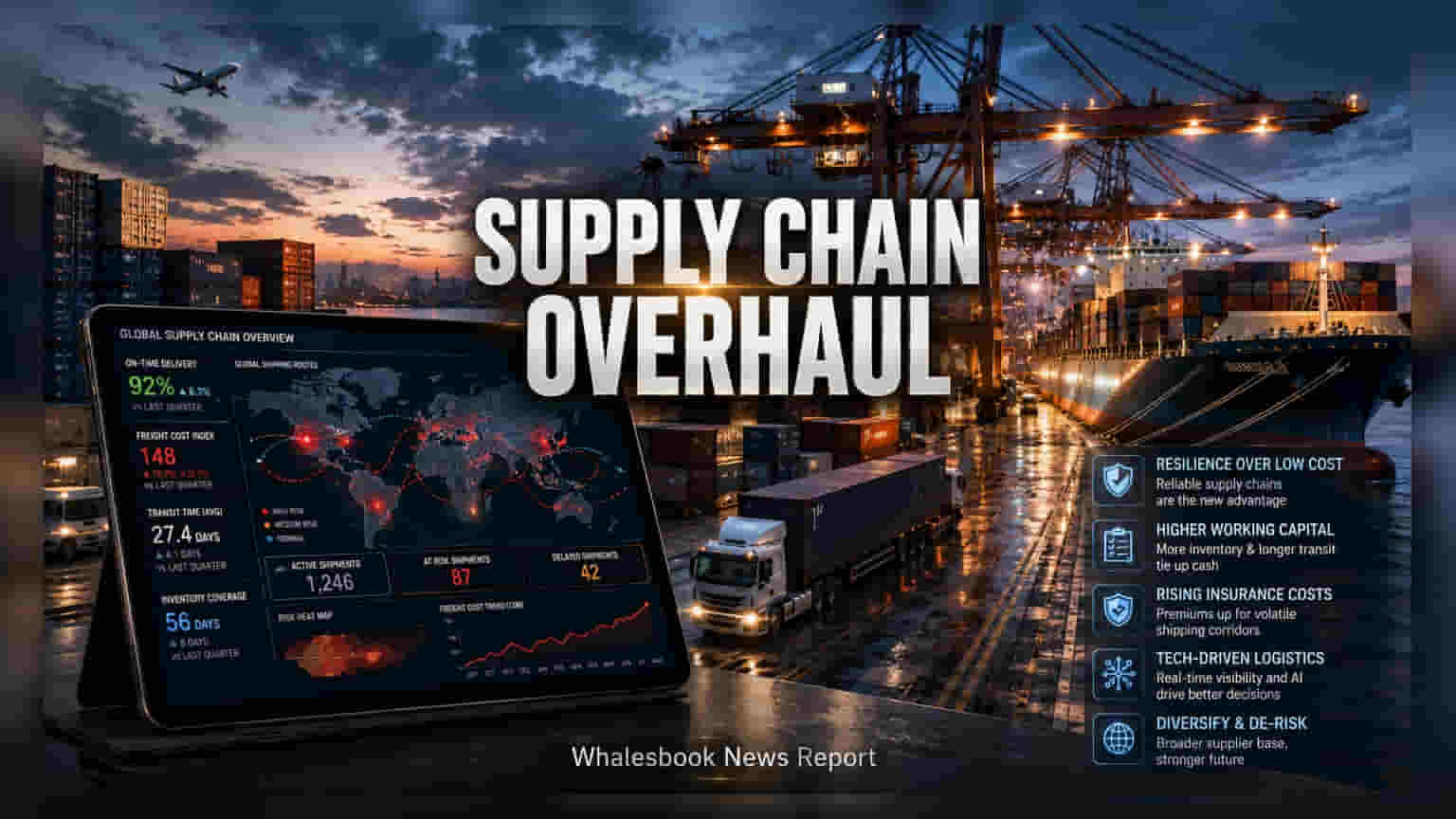
Global commodity companies are shifting focus from pure cost-cutting to building resilient supply chains amid persistent shipping volatility. For investors, this means profit margins may now depend more on a firm's ability to navigate trade disruptions than on manufacturing costs alone.
The global commodity market is undergoing a significant strategy change as shipping and geopolitical disruptions become a permanent part of the business landscape. For years, companies competed primarily on low costs and 'just-in-time' inventory models, where supplies arrived exactly when needed to minimize storage expenses. However, this model is now being replaced by a focus on 'supply chain resilience.'
Companies are now prioritizing the ability to secure goods reliably, even if it means paying higher freight rates or holding larger inventories. This change is driven by the reality that shipping hurdles, such as recent route diversions in the Red Sea and geopolitical tensions, are no longer temporary issues but standard operational risks.
The Impact on Investor Value
This shift carries direct consequences for corporate financials. Moving away from lean inventory models often leads to an increase in working capital requirements. When goods spend longer periods in transit, cash is tied up for longer, which can put pressure on a company’s free cash flow. Additionally, higher insurance premiums for shipping through volatile corridors act as a constant drain on operating margins. Investors should now be more critical when reviewing how a company manages its supply chain costs versus its ability to meet production targets.
Tech as a Competitive Advantage
Businesses that invest in advanced logistics technology are finding an edge over competitors. Integrated supply chain management, which uses real-time data to track shipments and predict delays, allows companies to adjust their procurement strategies before a minor disruption becomes a major bottleneck. This 'logistics moat' helps these companies protect their margins better than firms that rely on older, more brittle supply chain configurations. According to industry leaders like Shipsy, the ability to integrate visibility into procurement is no longer just a support function; it is a key competitive advantage.
Risks and Monitorables
While resilience is crucial for long-term stability, it comes with the risk of higher upfront spending. Investors should be cautious of companies that may see profit margins squeezed by these increased logistical costs, especially if they struggle to pass these expenses on to their customers. When analyzing quarterly results or annual reports, investors should monitor management commentary regarding supply chain strategy and capital spending on logistics technology. It is also important to track whether a company has successfully diversified its supplier base to avoid over-reliance on single, vulnerable trade routes.