

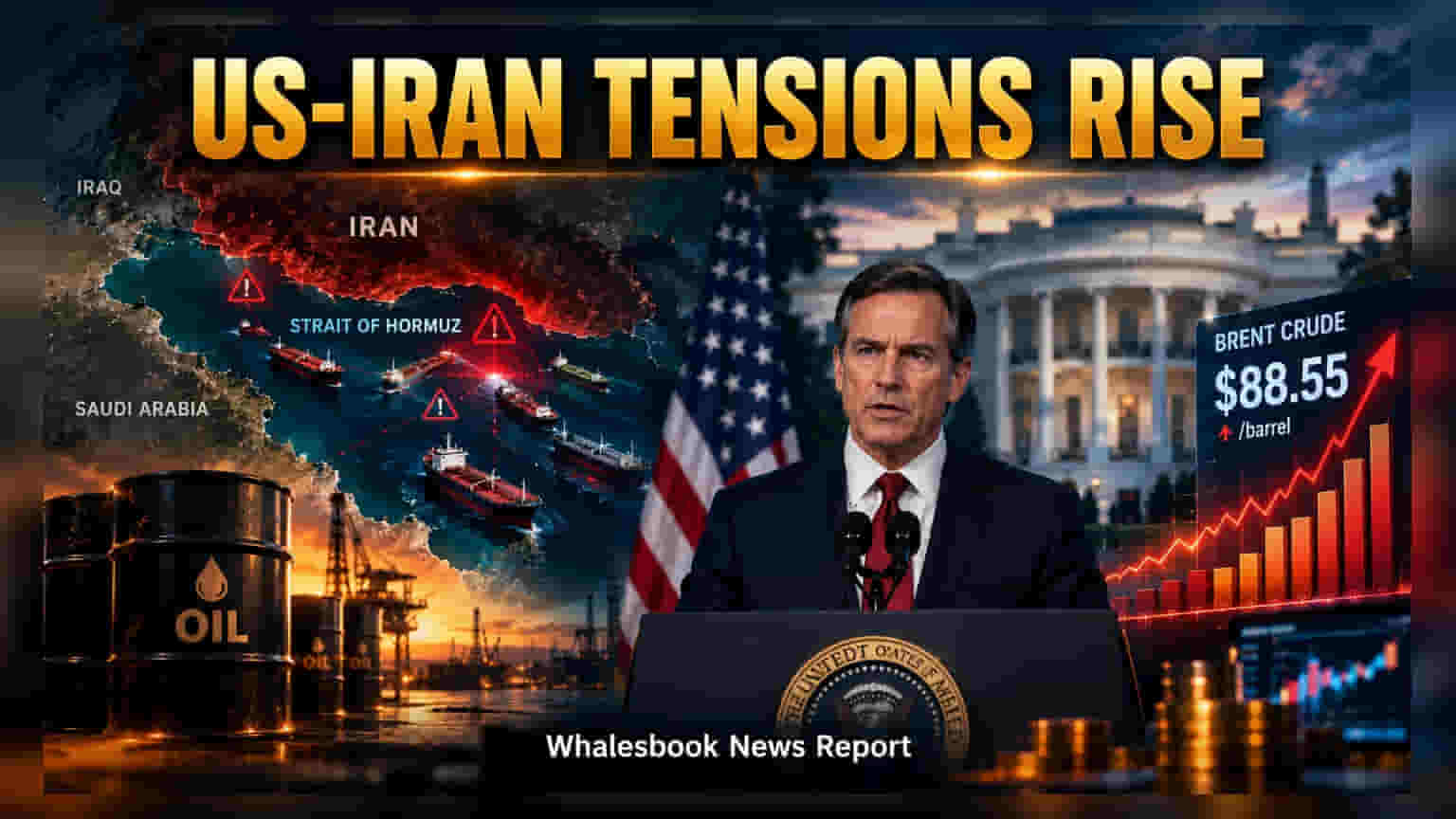
The United States has moved toward an intensive campaign of economic sanctions against Iran as diplomatic talks have stalled. With the Strait of Hormuz blockade limiting oil shipments, global energy prices remain volatile. For Indian investors, the primary concern is how sustained high crude oil prices could impact domestic inflation, the currency, and import costs.
The United States has formally abandoned efforts for direct diplomatic engagement with Tehran, pivoting instead to a comprehensive campaign of economic pressure. Washington is now aggressively expanding secondary sanctions aimed at isolating Iran’s remaining economic lifelines. This shift, which some officials have termed a new phase of economic containment, marks a significant departure from previous attempts at negotiation, signaling that the current administration is prioritizing long-term isolation over immediate reconciliation.
Impact on Global Energy Markets
The Strait of Hormuz remains the focal point of this geopolitical friction. As a critical artery for global energy supplies, the waterway is experiencing a prolonged, severe reduction in traffic due to the ongoing naval blockade. This disruption is acting as a persistent supply-side shock for energy markets. On August 27, 2026, Brent crude futures were trading at approximately $88.55 per barrel, reflecting the market’s uncertainty regarding the stability of future energy flows. While prices have seen fluctuations, the lack of a diplomatic breakthrough suggests that the risk premium for oil is unlikely to dissipate in the near term.
Why This Matters for Indian Investors
For the Indian economy, crude oil remains a critical input. India is one of the world's largest importers of oil, and the country's trade balance and domestic inflation are highly sensitive to price volatility in the global energy market. When global crude prices remain elevated or rise unexpectedly due to geopolitical tensions, it typically places pressure on India's current account deficit and can force a depreciation in the Rupee.
Furthermore, higher energy costs often filter through to the broader economy, increasing input costs for industries ranging from manufacturing to transportation. This can compress profit margins for companies in these sectors if they are unable to pass the increased costs on to consumers. Investors should monitor how the government manages energy subsidies and whether the Reserve Bank of India adjusts its inflation outlook in response to sustained energy price volatility.
Risks and Monitorables
The primary risk for global markets is that the 'no-deal' scenario could persist, potentially leading to further escalations. Beyond the immediate threat to shipping, there is the risk of secondary sanctions impacting global trade partners, which could disrupt broader supply chains. The Iranian leadership has labeled these measures as economically punitive, leading to concerns about potential retaliation or increased regional instability.
Looking ahead, the most critical monitorables for investors include the stability of Brent crude prices, any official updates on global shipping corridor security, and domestic inflation data in India. Any sudden tightening of the blockade or a spillover of the conflict into broader regional proxy actions would likely increase market volatility across equity indices, particularly for sectors highly reliant on global trade and logistics.