 Whalesbook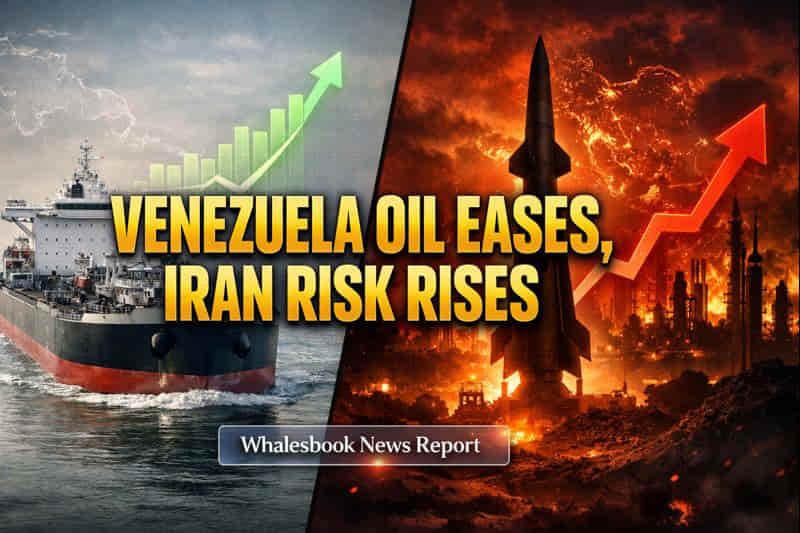


Venezuela Tensions Expected to Ease
Geopolitical developments surrounding Venezuela's oil sector are likely to stabilize, according to Marko Papic, Chief Strategist at BCA Research. Reports of Russian-flagged ships linked to Venezuela are not anticipated to trigger wider conflict, as neither Washington nor Caracas benefits from prolonged disputes. Discussions involving Venezuela's oil company and the US indicate a negotiated resolution concerning oil supplies.
Russia's limited capacity to project power in the region and China's ability to source crude elsewhere suggest minimal market disruption from these specific actors. Papic views these Venezuela-related supply concerns as likely to diminish in the near term.
US Reimagines Commodity Access
The more significant takeaway for investors, Papic argues, is the United States' evolving stance on commodities, particularly oil. Following the Trump administration's actions, access to critical resources is now treated as a strategic imperative rather than a simple global market transaction. This signals a global trend where nations prioritize securing resources at their source.
Iran Risk Looms Large
While Venezuela's issues may subside, Papic identifies the risks associated with Iran as significantly underpriced by current market valuations. He cautions that recent US interventions could embolden further actions, increasing the potential for disruption in the Middle East. The market may be underestimating the impact of these tensions.
Oil Price Forecast
Papic predicts Brent crude will likely finish the year above $70 per barrel. This outlook incorporates not only escalating geopolitical risks but also the production behavior of the Organization of the Petroleum Exporting Countries (OPEC) and Saudi Arabia's fiscal requirements. Domestic spending plans in Saudi Arabia may also constrain its ability to maintain current output levels indefinitely.
Investors are advised to focus less on immediate Venezuela headlines and more on the broader implications of resource control reshaping global politics and energy prices.