

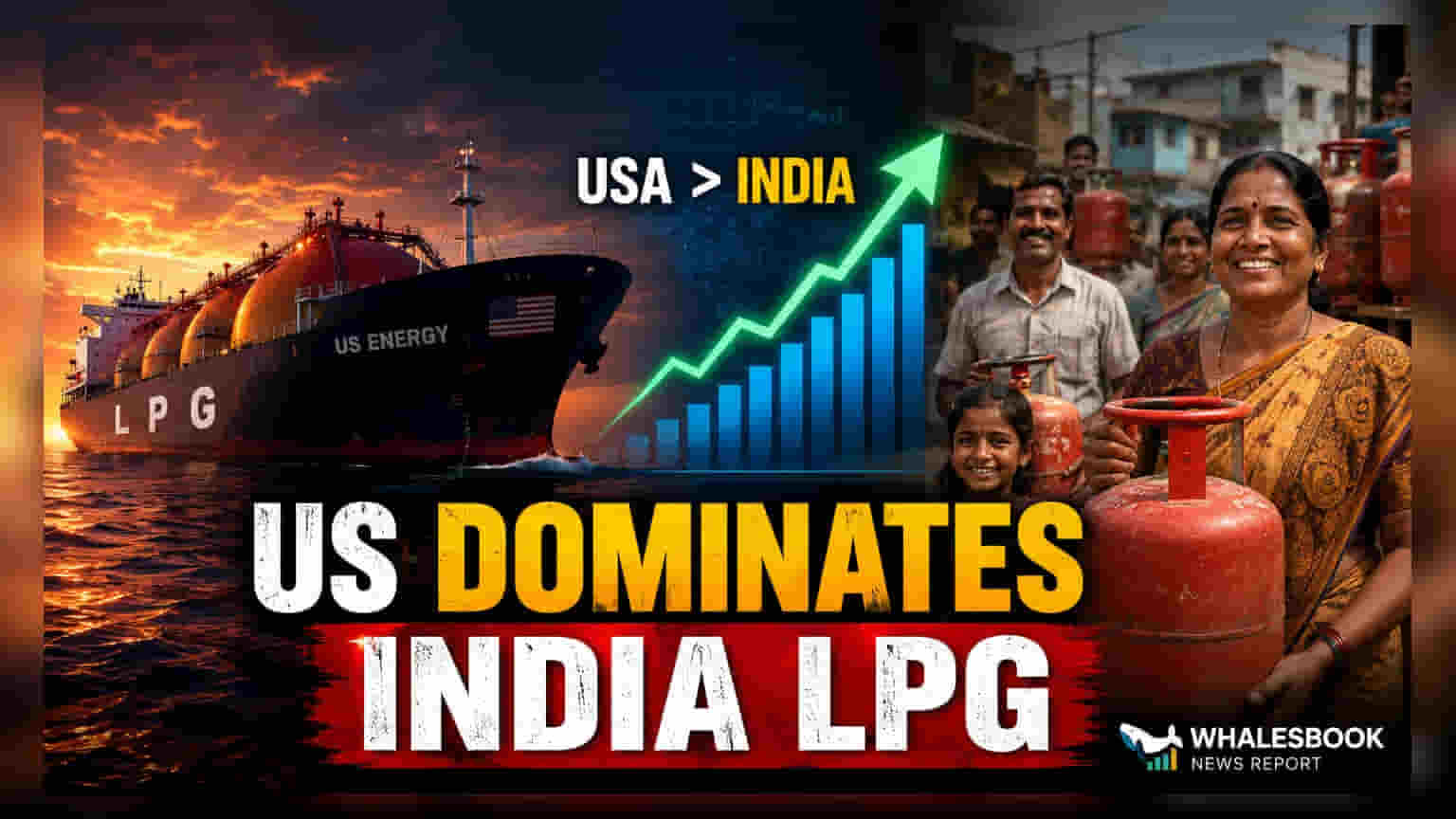
The United States is now India's largest LPG supplier, with imports growing 19.4% to 773.78 thousand metric tonnes in June. This shift highlights India's strategic move to reduce energy dependence on Gulf nations amid geopolitical tensions.
What Happened
In a significant shift for India's energy trade, the United States has become the country's largest supplier of liquefied petroleum gas (LPG) as of June 2026. Data shows imports from the U.S. climbed to 773.78 thousand metric tonnes (TMT), representing a 19.4% increase over May. This change places the U.S. ahead of traditional suppliers in the Gulf region, marking a major update in how India secures its domestic energy needs.
Diversifying Energy Sources
India's total LPG imports rose by 3% in June to 1,191 TMT. While the United Arab Emirates remains a key partner with 157 TMT supplied in June, the overall reliance on the Middle East has decreased. State-run oil refiners have played a central role in this shift, driven by a long-term supply agreement with U.S. producers that covers 2.2 million tonnes through the end of 2026. This strategy is designed to create a more stable supply chain by reducing the historical concentration of energy imports from a single geographic region.
Reducing Dependency on Maritime Chokepoints
For years, approximately 90% of India’s LPG imports passed through the Strait of Hormuz. Recent geopolitical conflicts impacting this critical maritime route exposed the risks of such high dependency. By increasing imports from the U.S. and exploring supply sources in countries like Argentina, Nigeria, Algeria, Oman, and Egypt, India is aiming to insulate its energy sector from regional volatility. This move toward a global, multi-source network is intended to ensure that domestic LPG availability remains consistent even if specific transit routes face pressure.
The Outlook for Gas Availability
While global oil markets often adjust quickly to shipping changes through rerouting, gas supply chains are more complex and typically show a slower recovery. Officials note that domestic gas availability will depend on production levels and international supply assessments rather than just the reopening of maritime paths. Despite the recent reopening of the Strait of Hormuz, the trend of diversifying energy suppliers is expected to continue as a long-term risk management strategy.
What Investors Should Track
Investors tracking energy and oil marketing companies—such as Indian Oil Corporation (IOC), Bharat Petroleum (BPCL), and Hindustan Petroleum (HPCL)—may note how these supply shifts affect logistics and procurement costs. Future monitorables include the pricing impact of sourcing from longer distances, the stability of these new long-term agreements, and the overall progress of India’s strategy to expand its import network beyond traditional Gulf suppliers.