

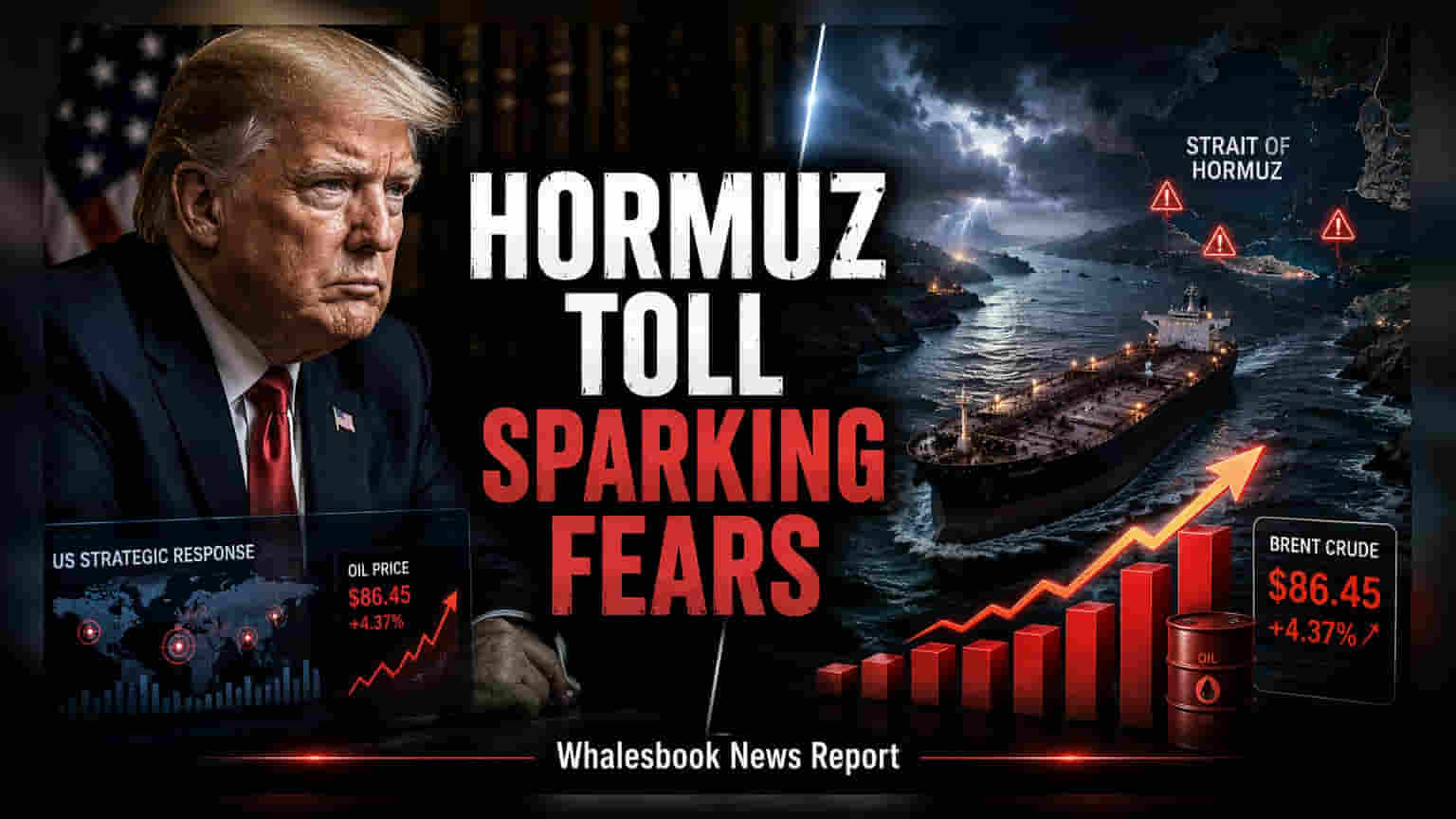
A proposed 20% charge on cargo moving through the Strait of Hormuz has created global trade tensions. As a major importer of crude oil from Gulf nations, India faces risks of higher import bills and increased inflation. Investors are monitoring how this policy affects energy costs, shipping logistics, and the Indian Rupee.
A new proposal by President Donald Trump to impose a 20% levy on cargo transiting the Strait of Hormuz has triggered significant uncertainty in global energy markets. The Strait of Hormuz is one of the world's most important shipping routes, as roughly one-fifth of global oil consumption passes through this narrow waterway. The move has faced immediate pushback from international bodies and regional powers, raising concerns about potential supply chain disruptions and cost inflation.
Impact on India’s Energy Import Bill
India is highly dependent on energy imports, sourcing more than 85% of its crude oil requirements from abroad. A large portion of this supply originates from Gulf countries and must pass through the Strait of Hormuz. Analysts estimate that a 20% surcharge on shipping could translate to an approximate increase of $16 per barrel in the cost of crude oil. For India, this represents a major headwind, as higher oil prices directly increase the national import bill. This scenario risks further complicating the government’s efforts to control retail inflation, which has recently remained above the Reserve Bank of India’s comfort zone.
Regulatory and Geopolitical Opposition
The United Nations’ International Maritime Organization (IMO) has publicly opposed the idea of mandatory tolls on international straits. According to the UN Convention on the Law of the Sea, international straits must remain open for transit, and nations cannot legally impose charges that hinder passage. Meanwhile, Iranian officials have rejected the US proposal, asserting their role in the region and questioning the legal authority behind the suggested levy. These geopolitical tensions add a layer of risk for global shipping companies, which may be forced to choose between absorbing the added costs or passing them on to end consumers, potentially disrupting global trade flow.
Economic Risks for Indian Markets
The combination of higher energy costs and geopolitical instability poses risks beyond just oil prices. Persistent high oil costs often lead to downward pressure on the Indian Rupee, as higher import payments drain foreign exchange reserves. Additionally, if the government faces pressure to subsidize energy costs or manage the impact on public finances, it could reduce the fiscal space available for infrastructure spending and other development projects. Investors may track the trajectory of global crude oil prices, the movement of the Indian Rupee, and official statements from major oil-exporting nations to gauge the durability of this policy and its actual implementation risk.