

Indian forex demand is diversifying beyond the US dollar as smaller cities now account for 53% of total transactions. While this shift reflects evolving travel habits, Thomas Cook India's recent Q1 FY27 results show that geopolitical tensions in West Asia continue to pressure overall earnings.
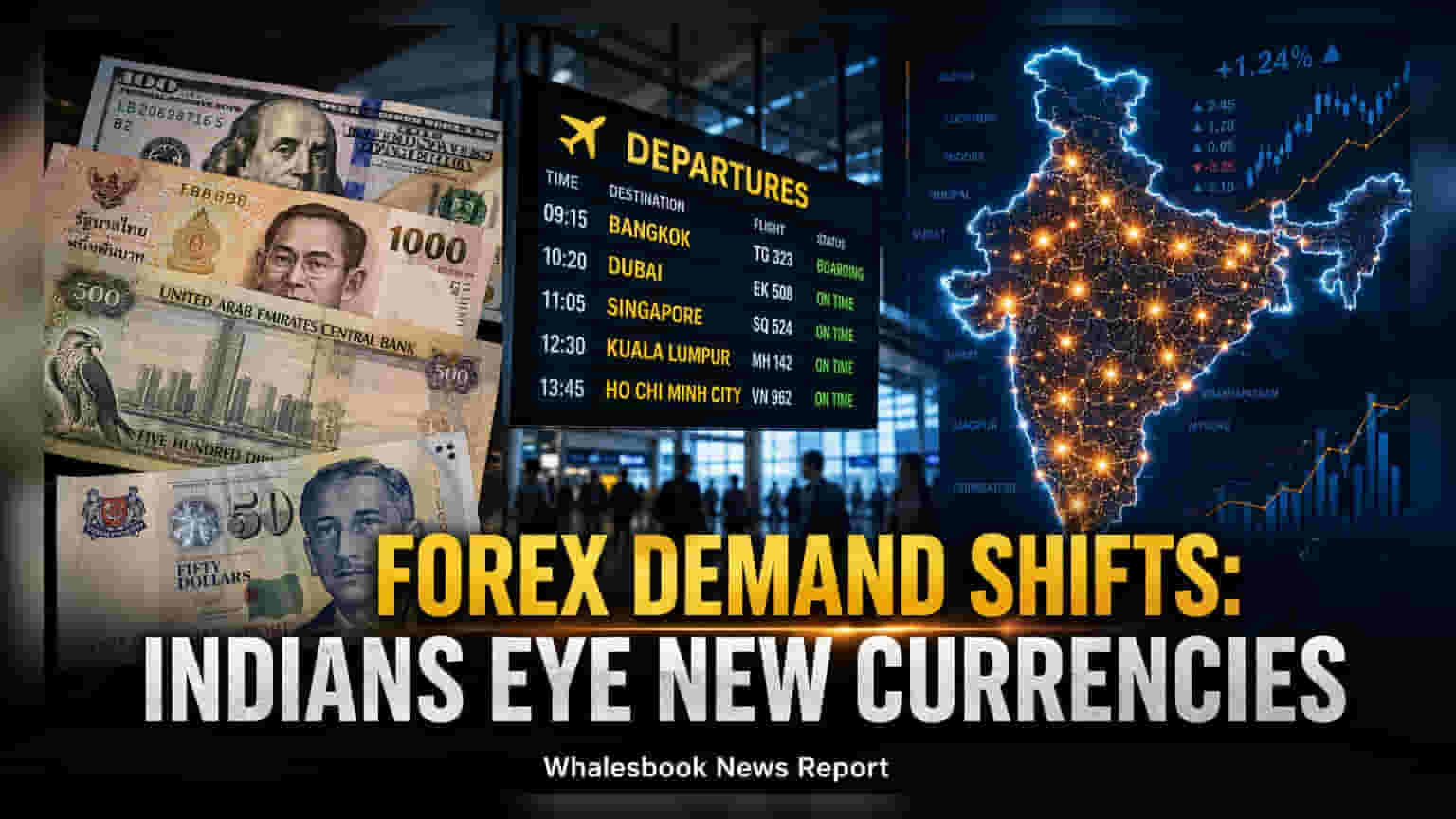
Indian travelers are changing how they approach foreign exchange, moving beyond the US dollar to more destination-specific currencies. According to the 'India Forex Report 2026' by Thomas Cook India, this shift is driven by a rise in short-haul leisure travel to countries like Thailand, Singapore, Malaysia, and Vietnam. While the US dollar remains the most requested currency, accounting for 49% of demand, the increasing use of the Thai baht, UAE dirham, and Singapore dollar highlights a trend toward more diverse international travel corridors.
The most significant change in the forex sector is the geographical spread of demand. Data from April 2025 to March 2026 shows that Tier 2 and Tier 3 cities now contribute 53% of total demand, officially overtaking the 47% share coming from major metropolitan areas. This indicates that disposable income and the desire for international travel are expanding well beyond traditional corporate centers.
Travelers are also changing their buying habits. The window for purchasing foreign currency has compressed, with most customers now buying cash or cards just four to seven days before their trip, compared to the 10-14 days seen previously. This faster cycle has pushed the adoption of digital platforms. Currently, 25% of all transactions are completed through websites, apps, and quick-commerce platforms, with the company reporting a 50% year-on-year growth in digital self-service usage.
While this report points to positive shifts in consumer behavior, Thomas Cook India faces distinct operational challenges. The company reported a 12% decline in revenue and a 21% drop in profit for the first quarter of fiscal year 2027. Management has attributed this performance largely to geopolitical disruptions in West Asia, which negatively impacted travel demand to and through that region.
Investors should monitor how the company balances its growth in the digital and Tier 2-3 segments against the volatility of its travel services business. High operating costs remain a factor, and the company's financial health is sensitive to external factors like regional conflicts, visa processing times, and currency fluctuations. The future success of this strategy will depend on whether the growth in leisure travel and digital adoption can offset the pressure caused by geopolitical instability and intense competition in the travel and exchange sector.