

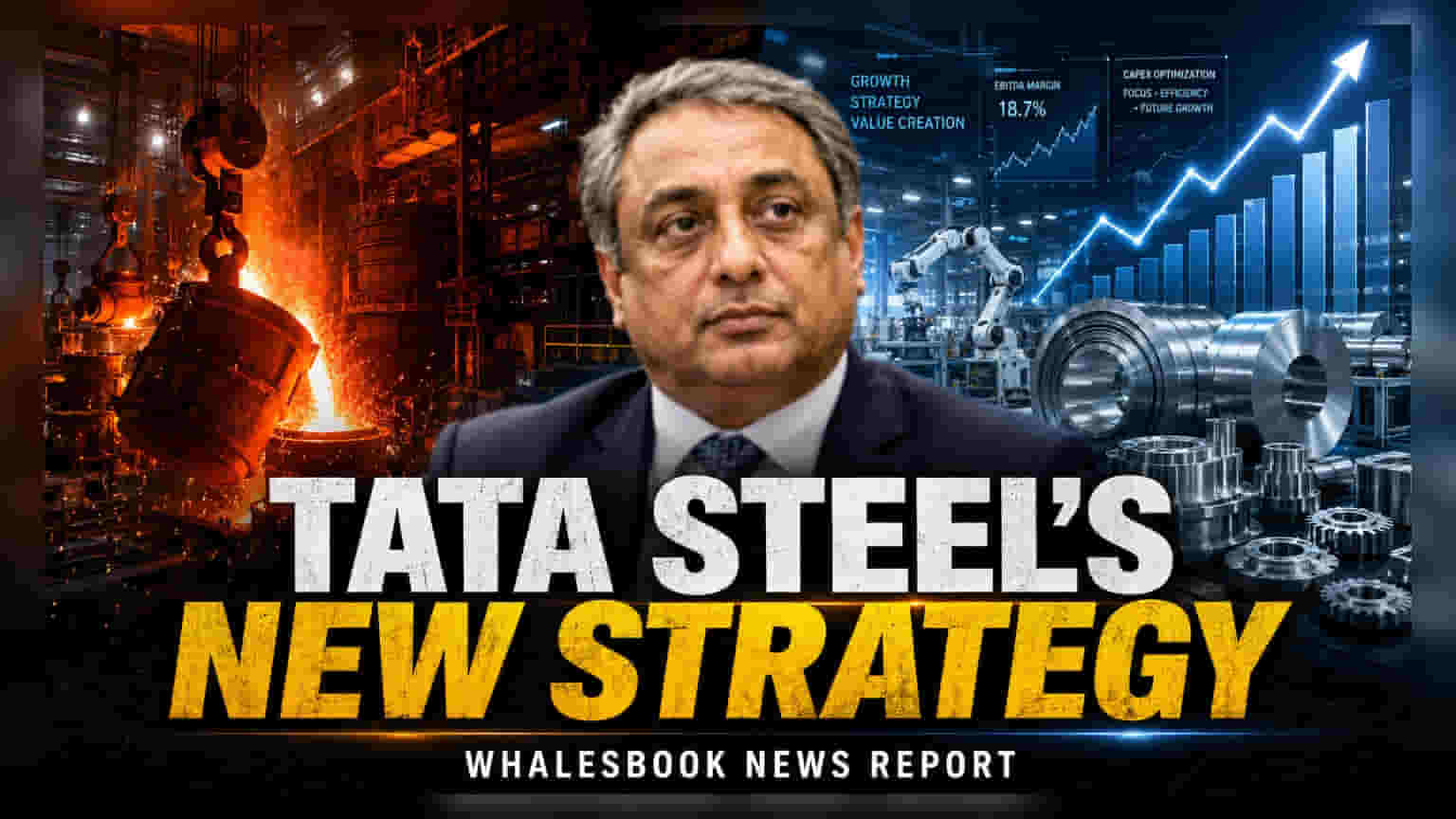
Tata Steel is pivoting its long-term strategy from simple capacity expansion toward higher-value downstream products. The move aims to improve profit margins and shield the company from volatile iron ore costs and tough international competition. Management is now prioritizing capital-efficient growth that aligns closely with domestic market demand.
Tata Steel is refining its business model, moving away from a primary focus on massive upstream production capacity toward a greater emphasis on downstream value-added products. This strategic shift reflects a changing outlook from company leadership, including CEO T V Narendran and CFO Koushik Chatterjee, who are looking to maximize profitability rather than just expanding the sheer volume of steel produced.
Prioritizing Capital Efficiency
The company has set an annual capital spending target of approximately ₹20,000 crore. Rather than pushing for maximum output regardless of market conditions, management intends to phase its growth projects to match actual demand. This approach is designed to conserve cash and focus capital on segments where the company can command premium pricing. By investing more in downstream operations—such as finished steel products used in specialized sectors—the company aims to create more value per tonne of steel than it would by selling basic, commoditized steel products.
Navigating Global and Cost Pressures
This strategic pivot comes as the steel industry faces significant external pressure. Rising costs, particularly for iron ore, have made the traditional model of high-volume, low-margin production less attractive. Furthermore, the company is dealing with a challenging export environment. Protectionist policies in major markets like the US and Europe, combined with the influx of low-priced steel exports from China, have made international markets increasingly difficult to navigate. By shifting focus toward the domestic market and high-end finished products, Tata Steel is attempting to reduce its reliance on volatile global commodity pricing.
Historical Context and Strategic Evolution
Tata Steel is no stranger to downstream products, having established businesses in areas like tubes, wires, and tinplate over many years. However, the current strategy emphasizes a more flexible model. Management has indicated that the company may even explore sourcing raw materials from other producers for its downstream plants in certain regions, effectively decoupling the downstream business from its own upstream production capabilities. This highlights a shift in management’s philosophy: they believe the market increasingly values companies based on their ability to generate high-margin, specialized products rather than just their raw production scale.
Investors will likely follow how this phasing of capital spending impacts the company’s debt levels and free cash flow in the coming quarters. The key monitorable will be the company’s ability to successfully capture higher premiums in the domestic market to offset the pressure from global competition and fluctuating input costs. Future updates on project commissioning and the margin performance of these specific value-added product lines will be critical to assessing the success of this strategic transition.