

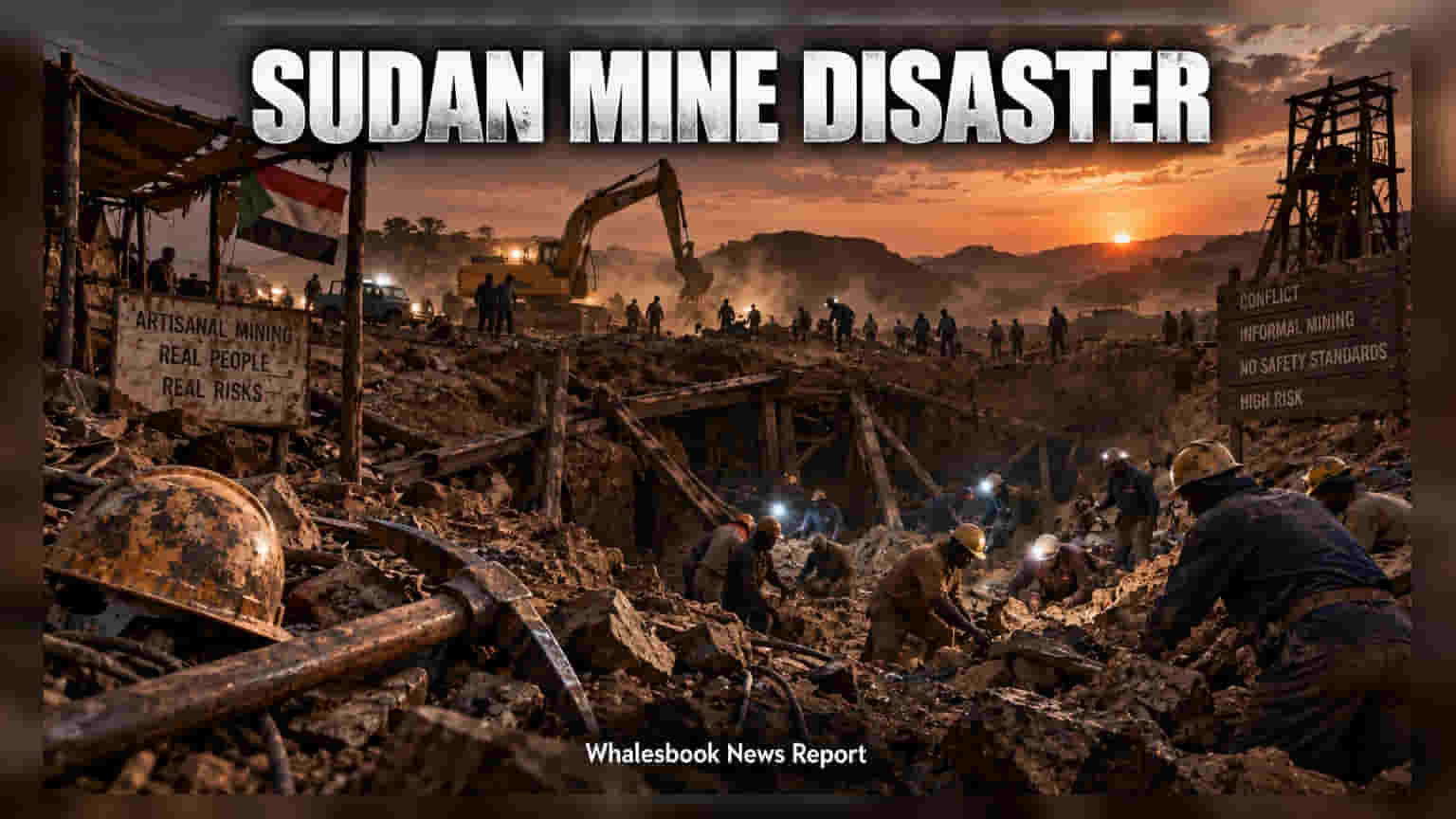
A fatal mine collapse in Sudan's Red Sea state has resulted in at least 11 deaths, marking the second major mining disaster in the country within a week. This incident highlights the extreme safety risks inherent in the nation's unregulated gold extraction sector, which is increasingly intertwined with regional conflict and smuggling operations.
A gold mine shaft has collapsed in Sudan’s northeastern Red Sea state, leading to at least 11 confirmed fatalities. Emergency crews are currently working at the site, which officials from the Sudanese Mineral Resources Company noted is part of a remote, informal operation. While 30 workers have been rescued, authorities warn that the casualty count is subject to change as the unstable conditions of the site complicate the search and rescue efforts.
This incident is the second fatal mining accident reported in Sudan within a seven-day period. Earlier in the week, a separate collapse in Western Sudan resulted in at least 82 deaths. These disasters underscore the hazardous reality of the country's gold industry, which relies heavily on artisanal and informal mining pits. These operations operate without the basic structural safety, ventilation, or protective equipment standards required in industrial-scale mining facilities, making accidents a recurring threat for laborers.
The broader Sudanese gold sector faces significant structural challenges driven by economic desperation and internal conflict. Since the outbreak of large-scale fighting in April 2023 between the Sudanese military and the Rapid Support Forces, the mining industry has effectively fragmented. A large portion of gold production now occurs through small-scale, unregulated extraction in areas where government oversight is absent or limited. Because these sites operate outside formal legal channels, the risks of structural failure are high, and data regarding production, employment, and human safety is rarely verified.
For the global commodities market, the situation in Sudan highlights the complexities of the gold supply chain in conflict-affected regions. Gold extracted from these informal mines is frequently linked to smuggling networks, which various armed factions use to finance their operations. International monitoring groups have repeatedly pointed out that gold from production hubs in regions like Darfur and Kordofan is often integrated into supply chains through illicit channels, bypassing standard trade regulations. For investors and industry participants, this environment creates significant supply chain transparency risks and limits the ability to ensure ethical sourcing practices. As the country's civil war persists, the reliance on these illicit extraction methods is expected to continue, likely keeping worker safety risks and operational instability at the forefront of the sector's challenges.