

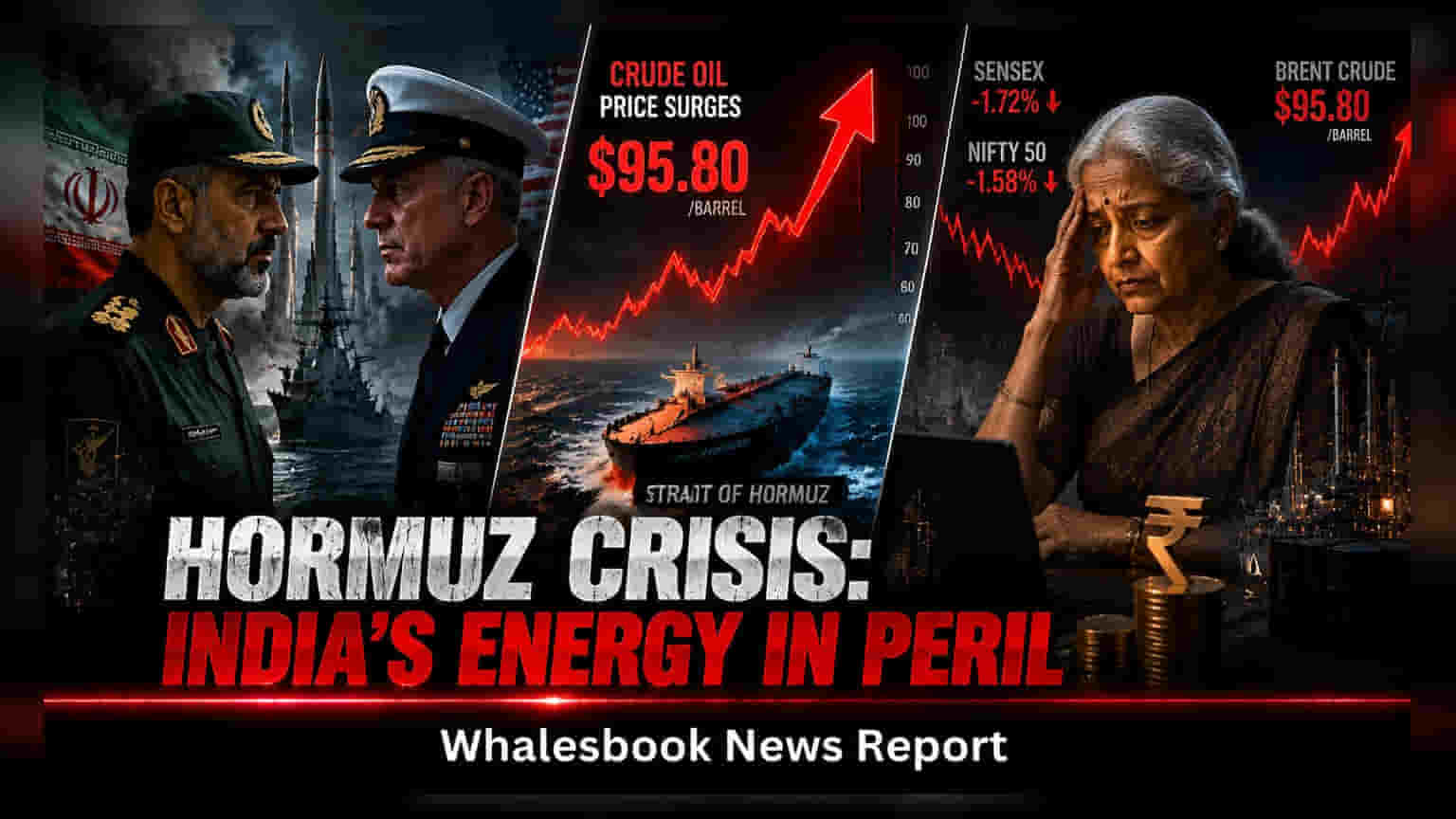
Escalating tensions near the Strait of Hormuz are raising concerns about a potential rise in global crude oil prices. Higher oil prices could increase India's annual import bill, impacting the current account deficit. While India's diversified sourcing helps, the energy sector remains sensitive to shipping disruptions in this critical maritime corridor.
Geopolitical friction near the Strait of Hormuz has intensified, raising alarms about potential shipping delays and rising energy costs. Recent reports of naval blockades and regional warnings have caused concern among global energy markets. For India, which relies heavily on energy imports, the primary risk is not a lack of physical supply but the financial impact of higher landing costs for crude, liquefied petroleum gas (LPG), and liquefied natural gas (LNG).
Economic Impact and Energy Import Costs
India’s economy is sensitive to fluctuations in global oil prices. With an annual import requirement of approximately 1.8 to 2 billion barrels, even a small increase in the price per barrel has a meaningful impact on the national import expenditure. Financial estimates suggest that for every $1 rise in the price of a barrel of crude, India's annual import bill could increase by nearly $2 billion. If global Brent crude prices, currently near $85 a barrel, were to climb toward $90-$95 due to prolonged uncertainty, the resulting pressure could widen the country's current account deficit and impact domestic inflation.
Shipping Patterns and Supply Chain Risks
Data on maritime traffic reflects the caution currently being exercised by commercial shipping operators. While there was a slight uptick in crossings on July 13 compared to the previous day, traffic volumes through the Strait of Hormuz remain significantly below normal levels. Many vessels are opting for alternative, more cautious routes or avoiding certain corridors to bypass areas of heightened activity. This shift toward defensive routing often results in longer transit times and higher insurance premiums, which are ultimately reflected in the final cost of energy products delivered to Indian ports.
Vulnerability in Gas Supplies
While crude oil markets have some flexibility, the risks for LPG and LNG are more pronounced. India sources a substantial portion of its LPG and roughly half of its LNG supplies from the Middle East. These markets lack the same level of immediate substitution options available for crude oil, making them more vulnerable to any sustained disruptions in Gulf supply chains. Any persistent blockage or significant delay in these routes could force Indian energy companies to seek supplies from more expensive markets, further pressuring domestic pricing.
Diversification and Strategic Reserves
Despite these pressures, India has improved its resilience through a more diversified energy procurement strategy. Refiners have increased imports from Russia and maintained stable relations with suppliers in Saudi Arabia and the UAE, utilizing bypass infrastructure to keep supply lines functional. This diversification serves as a buffer against regional instability. Investors should monitor Brent crude price trends, monthly oil import data, and any official updates regarding shipping insurance costs or maritime safety, as these factors will determine the extent of the impact on Indian energy companies and the broader economy.