

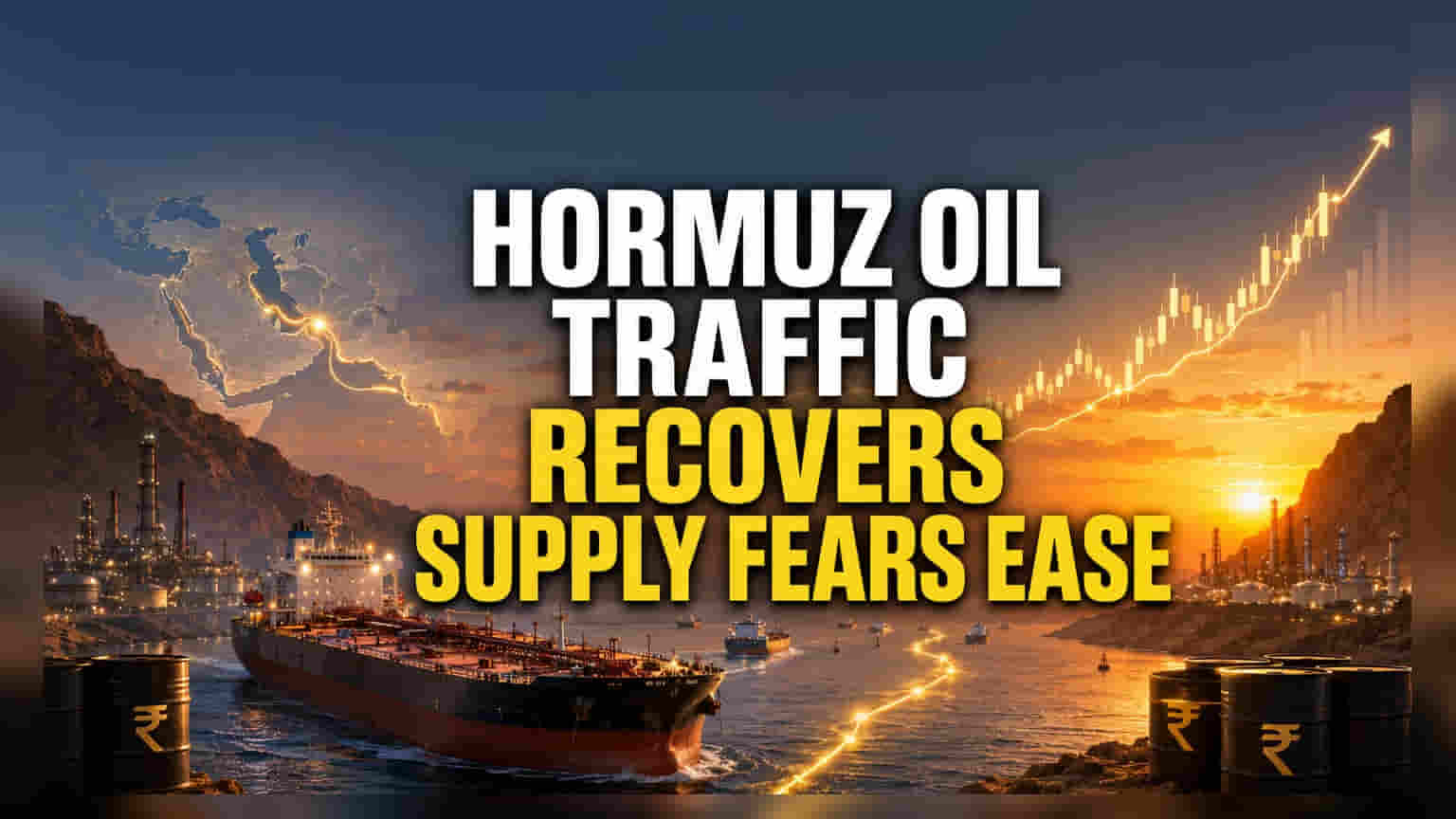
Oil tanker traffic through the Strait of Hormuz showed a tentative recovery on Monday, with two crude carriers successfully completing the transit. While this indicates a potential return to normalcy, volumes remain significantly below pre-conflict averages. For Indian investors, stability at this vital maritime chokepoint is key to monitoring crude oil price volatility and its impact on the margins of domestic refiners and shipping companies.
What Happened
Oil tanker traffic through the Strait of Hormuz, one of the world’s most important shipping channels for energy, showed signs of recovery on Monday. Two large crude carriers successfully navigated the waterway, carrying approximately 2 million barrels of oil combined. This follows a noticeable drop in activity on Sunday, which had raised concerns among market participants regarding the safety and stability of the transit route. Additionally, shipping data indicates that two supertankers have entered the Persian Gulf, with at least one heading toward Basra, Iraq, suggesting that some oil export flows from the region are resuming.
Why This Matters For The Business
The Strait of Hormuz is a critical passage for global oil supplies, as a massive portion of the world's crude oil travels through this narrow waterway. For Indian investors, any disruption or recovery in this region has a direct ripple effect on energy markets. India imports a significant amount of its crude oil, and any uncertainty regarding supply chains can lead to price spikes in Brent and WTI crude. When crude prices rise, it often puts pressure on the profit margins of Indian oil marketing companies and refiners, such as Reliance Industries, Indian Oil Corporation, BPCL, and HPCL, as they may struggle to pass on all costs to consumers immediately. Conversely, if supply flows normalize, it could help stabilize input costs.
The Lingering Risk
Despite the positive movement on Monday, the overall situation remains fragile. The current level of traffic is still a small fraction of historical averages. Before the regional conflict that began on February 28, an average of 125 vessels typically passed through the strait every day. The current reduced traffic highlights that the supply chain is far from fully restored. The primary risk for investors is that geopolitical tensions could flare up again, leading to renewed volatility in shipping costs and oil prices. Shipping companies, such as The Shipping Corporation of India and Great Eastern Shipping, may also face fluctuating freight rates depending on how much risk insurers assign to passing through this region.
What Indian Investors Can Track
Investors should pay close attention to crude oil price movements, as sustained volatility often signals continued supply chain stress. It is also important to monitor the monthly crude import data and any management commentary from oil refiners regarding their ability to secure consistent supply. Additionally, tracking global tanker freight rates can provide insight into the cost of transporting energy, which indirectly affects the landed cost of oil for Indian companies. Stability in this region remains a key factor for the energy sector's outlook in the coming months.