 Whalesbook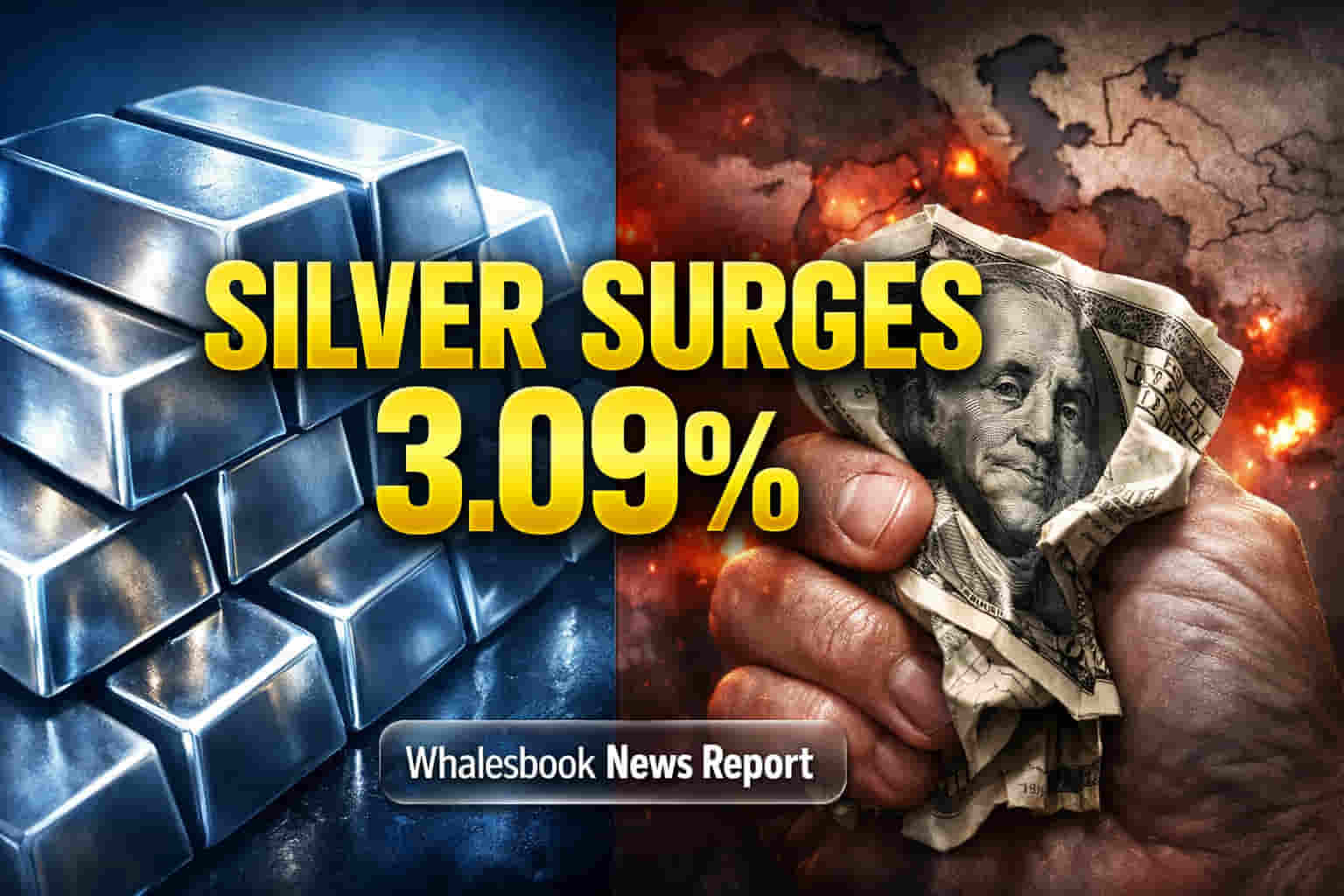


The surge in silver prices on March 10, 2026, was primarily driven by shifts in geopolitical sentiment and its effect on currency markets, rather than immediate industrial demand. However, the sustainability of this rally depends on upcoming economic data and actual de-escalation of global conflicts.
Geopolitics and Dollar Drive Silver Surge
Silver prices in India climbed 3.09% to ₹276 per gram and ₹275,700 per kilogram. This jump mirrored international spot silver's recovery to around $89 per ounce on COMEX, after briefly falling below $80. The main reason for the rebound was a weaker US dollar. Statements from President Trump suggesting the nearing completion of military operations and potential waivers on oil sanctions eased market worries, reducing demand for the dollar and making commodities like silver more attractive.
Silver's Volatile Past and Present
Silver's performance is closely tied to geopolitical stability and the US dollar. Historically, periods of Middle East tension have boosted silver more than gold, with gains near 9% during peak escalation in late February 2026. However, silver's higher volatility, often called its "beta," means it can also fall faster when tensions ease. The metal saw sharp swings in early March 2026, trading between $82.90 and $83.10 on March 9, before the recent bounce.
Industrial Demand and ETF Strength
While geopolitical events drive short-term investment, silver's long-term appeal is also supported by its industrial use in sectors like solar energy and electronics. This makes silver sensitive to both economic trends and industrial demand. In India, silver ETFs have performed strongly in early 2026, with some funds returning over 25% in the first 20 days of the year. Nippon India Silver ETF leads in assets, while Axis Silver ETF showed robust 1-year returns of 144.54% as of February 10, 2026.
Mixed Analyst Views on Future Prices
Despite the recent price appreciation, analyst outlooks for silver differ. Some predict an average price of around $81 for 2026, while Citigroup forecasts it could reach $100 by March 2026. This disagreement highlights the uncertainty surrounding future price movements.
Key Risks: Inflation and Conflict
The current silver rally relies on geopolitical risks continuing to ease. Any conflict flare-up could bring back volatility and reverse recent gains. Furthermore, upcoming US inflation data is a key turning point. Higher inflation might keep the Federal Reserve from cutting rates, making non-yielding silver less attractive and pushing prices down. The market is also prone to profit-taking; for example, silver dropped about 13% on January 30, 2026, after trading above $110 per ounce.
Supply Concerns on COMEX
COMEX faces potential supply issues as silver inventories drop. A surge in physical demand could cause prices to diverge significantly, though this is a speculative risk.
Outlook Hinges on Data and Peace
Market mood is mixed, weighing hopes for peace against anticipation of key economic data. Investors are keenly awaiting inflation reports to gauge the Federal Reserve's next move on interest rates. While industrial demand provides underlying support, the immediate price action will likely remain sensitive to currency movements, geopolitical headlines, and inflation expectations, with analysts predicting continued volatility until clearer economic signals emerge.