

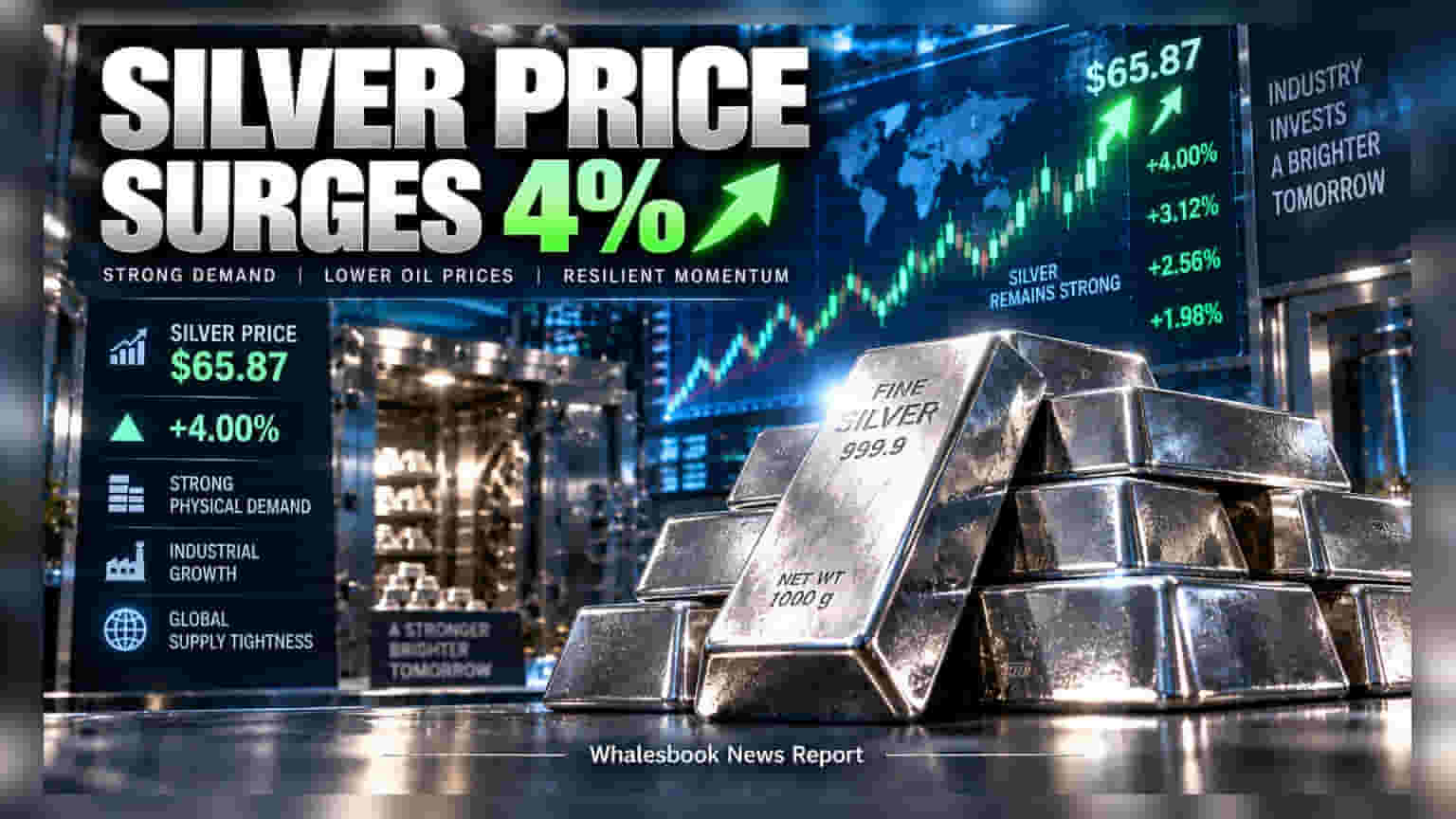
Silver prices climbed to $65.87 after the US Federal Reserve raised interest rates by 25 basis points. The metal found support as falling crude oil prices and cooling US bond yields eased pressure on commodity markets. Investors are currently weighing weak investment demand through ETFs against strong physical industrial consumption, particularly from China.
Silver prices showed unusual strength this week, jumping 4% to $65.87 even after the US Federal Reserve announced a 25 basis point rate hike, moving the federal funds rate to a range of 3.75% to 4.00%. Typically, higher interest rates make non-yielding assets like silver less attractive compared to interest-bearing instruments like government bonds. However, the metal defied this trend by finding a strong support level near $62.85.
The recent rally appears to be driven by a shift in sentiment regarding bond yields and energy costs. When bond yields cool, the opportunity cost of holding silver decreases, which often benefits the metal. Additionally, silver prices are closely tied to the cost of energy. As crude oil prices have fallen, expectations regarding future inflation have moderated, providing some relief to commodity markets that were previously under pressure from aggressive central bank policies.
While the financial side of the market is reacting to interest rate changes, the physical side tells a different story. Industrial demand remains a key pillar of support for silver. In China, physical silver imports surged 50% through July compared to the same period last year. This consistent physical demand helps provide a floor for the price, even though current investment interest via Exchange Traded Funds remains slow and lease rates for the metal have stayed stagnant.
Investors are currently monitoring how global central banks, including the Bank of England, adjust their policies. The Bank of England has recently paused gilt sales until April, which has helped calm debt markets. This, combined with the cooling effect of lower oil prices, has allowed silver to recover from the immediate selling pressure that followed the Fed's announcement.
For investors, the market remains complex. The metal serves a dual purpose as both an industrial input and a store of value. The current disconnect between weak ETF demand and strong physical import figures means that volatility is likely to continue. Investors will be tracking the volatility in energy markets and the trajectory of US Treasury yields, as these factors continue to dictate the path of monetary policy and broader commodity trends.