

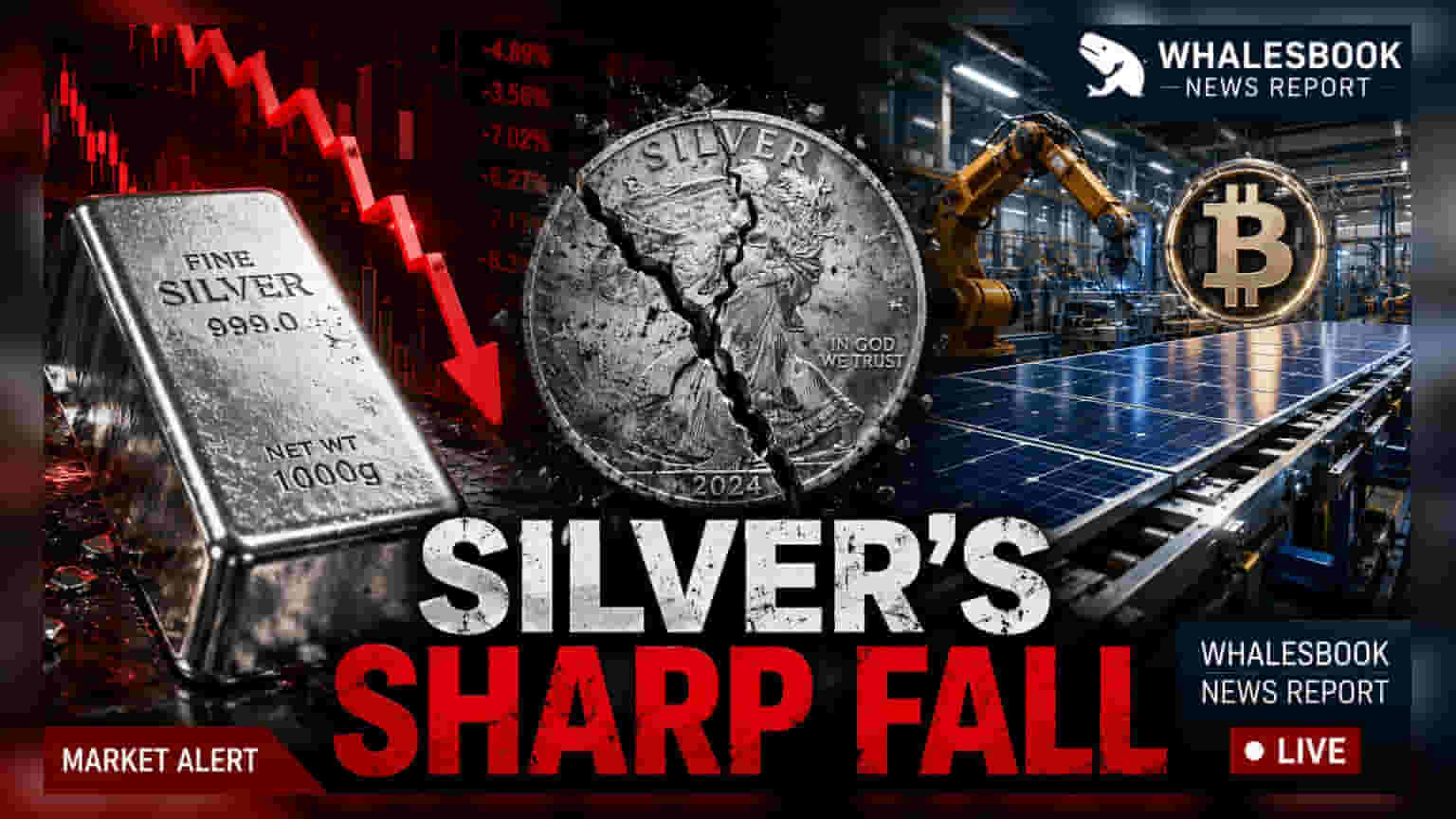
Silver prices have faced significant volatility, influenced by industrial trends, global market shifts, and India's specific duty changes. The recent reinstatement of a 15% import duty in May 2026 has reshaped local pricing and buying patterns for Indian investors.
What Happened
Silver prices have experienced a notable correction from earlier peaks, trading significantly lower than their January 2026 highs. While global silver prices are influenced by the metal's role as both an industrial material and a store of value, the Indian market is currently grappling with the impact of a major policy change. On May 13, 2026, the Indian government reinstated the import duty on silver to 15%, a move that includes a 10% basic customs duty and a 5% agriculture infrastructure development cess. This follows a period where the duty had been reduced to 6% in the July 2024 budget, which had previously stimulated higher imports and activity in silver-linked financial products.
The Industrial Demand Factor
Silver is increasingly used in high-growth sectors, including solar panel production, electric vehicles (EVs), data centers, and modern power grids due to its high conductivity. Despite this strong long-term structural demand, the market is currently facing a phenomenon known as 'thrifting.' When silver prices rise, manufacturers often optimize their processes by using thinner layers of the metal or finding alternative materials to reduce costs. Reports indicate that even with record-breaking solar panel production in 2025, industrial demand for silver actually declined by 3%, highlighting how pricing sensitivity can dampen demand cycles.
The 'Distrust Trade' Dynamics
Silver often moves in tandem with other assets like gold and Bitcoin, which are frequently traded as part of a 'distrust trade'—a strategy where investors move capital into non-political assets when they fear the devaluation of government-backed fiat currencies. Because the market for silver is smaller than that for gold, its price is more sensitive to sudden capital inflows and outflows. This has led to sharper price swings for silver compared to its counterparts. For investors, this volatility means that silver's price is often dictated more by global economic sentiment and debt concerns than by simple supply and demand metrics.
Impact on Indian Savers
For Indian investors, the cost of silver is determined by a combination of the global dollar-denominated price, the exchange rate of the Indian Rupee against the dollar, and the applicable import duties. The sudden jump to a 15% import duty has made the metal costlier for domestic buyers. This has led to a noticeable shift in consumer behavior: data shows a 20% decline in demand for silver jewelry in 2025, while interest in silver coins and bars has increased by approximately 30% as savers seek alternative investment vehicles.
What Investors Should Track
Investors monitoring the silver market should keep an eye on several moving parts. First, the trend in industrial demand, particularly in the solar and EV sectors, will determine the long-term floor for prices. Second, the Rupee-to-Dollar exchange rate remains a critical monitorable, as a weaker rupee increases the landing cost of silver in India. Finally, any future changes to government duty structures or shifts in the 'distrust trade' sentiment—driven by global interest rate policies and debt levels—will continue to influence price swings.