

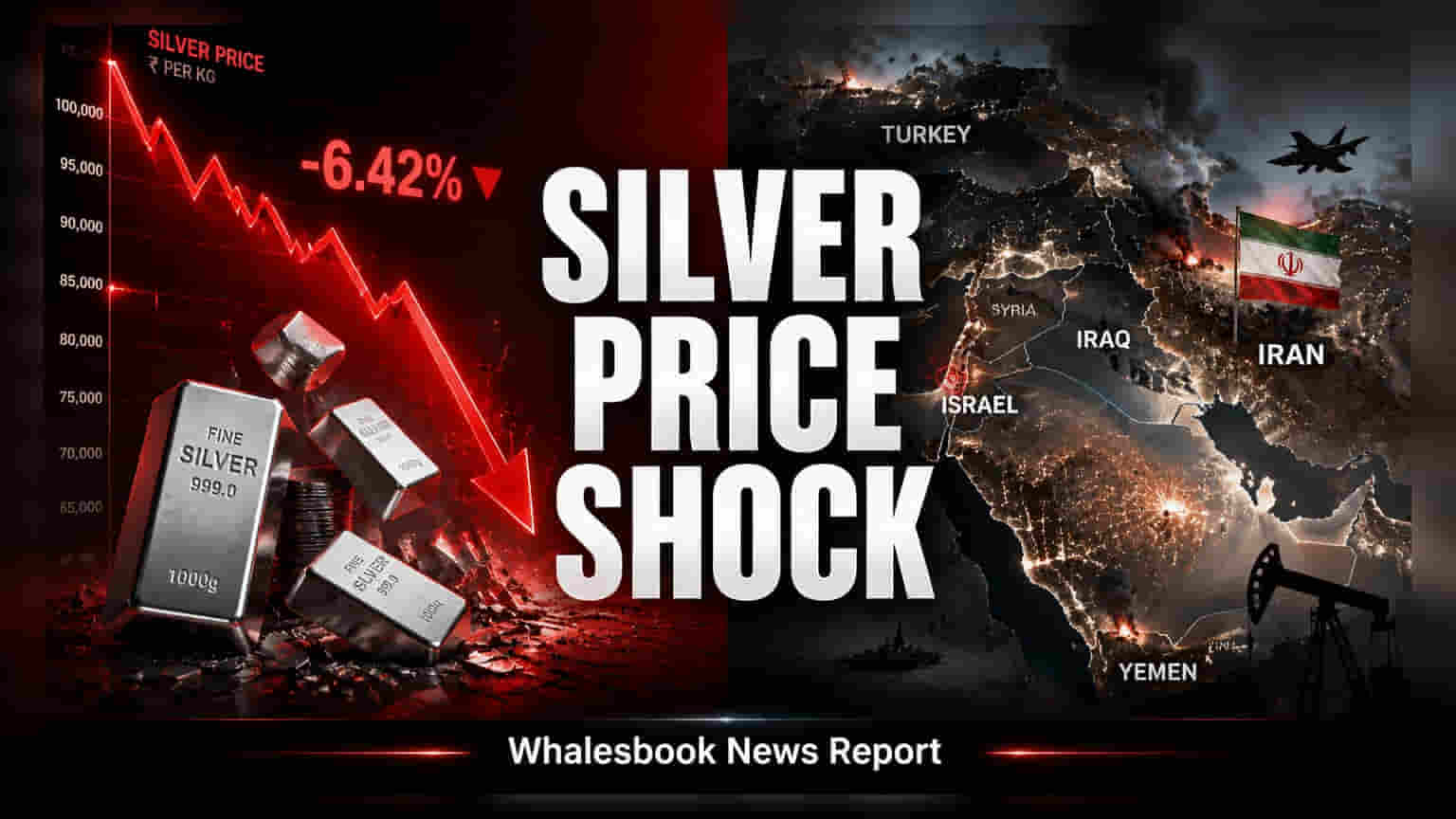
Silver prices have fluctuated between $56 and $70 per ounce recently due to shifting U.S. Federal Reserve interest rate expectations and geopolitical tensions. As a metal with both investment and industrial uses, these price swings reflect broader concerns about global economic stability and industrial demand in the third quarter of 2026.
Silver prices have experienced a volatile period in global markets, moving significantly from highs near $70 per ounce down to $56, before stabilizing around the $60 level. This movement is important for Indian investors because silver is not only a popular precious metal for investment but also a critical raw material for sectors like electronics, solar energy, and manufacturing.
The Impact of U.S. Interest Rates
A primary factor behind these swings is the monetary policy of the U.S. Federal Reserve. When interest rates are high or expected to rise, assets that do not pay regular interest, such as silver, often become less attractive to global investors. Conversely, if the Federal Reserve signals potential rate cuts, the appeal of silver as a store of value can increase. Investors generally monitor these policy meetings, as they set the tone for global liquidity and currency strength, which directly impacts the price of precious metals in dollar terms.
Industrial Demand and Economic Data
Unlike gold, which is primarily held for investment, a large portion of silver demand comes from industrial applications. Recent economic reports, including weaker-than-expected jobs data from the United States, have created uncertainty. If these figures suggest an economic slowdown, it may lead to lower industrial consumption of silver. At the same time, persistent inflation can act in the opposite direction, sometimes encouraging investors to buy silver as a hedge against the rising cost of living. This tug-of-war between industrial demand and investment hedging creates the price swings observed in recent weeks.
Geopolitical Influence and Market Outlook
Rising geopolitical tensions in West Asia have also contributed to the current market environment. Historically, conflict in key regions prompts investors to shift capital into safer assets. While silver is often viewed as more volatile than gold, it still attracts safe-haven buying during times of uncertainty. Major financial institutions, including JPMorgan and ING, have noted that these combined forces—macroeconomic policy and geopolitical instability—are likely to keep silver prices unpredictable throughout the third quarter of 2026.
For investors, the key monitorable remains how the balance between industrial demand and global investment flows evolves. Changes in production levels, shifts in manufacturing activity, and updates to central bank policies will be the main factors determining whether the price holds near current levels or moves toward recent highs or lows.