

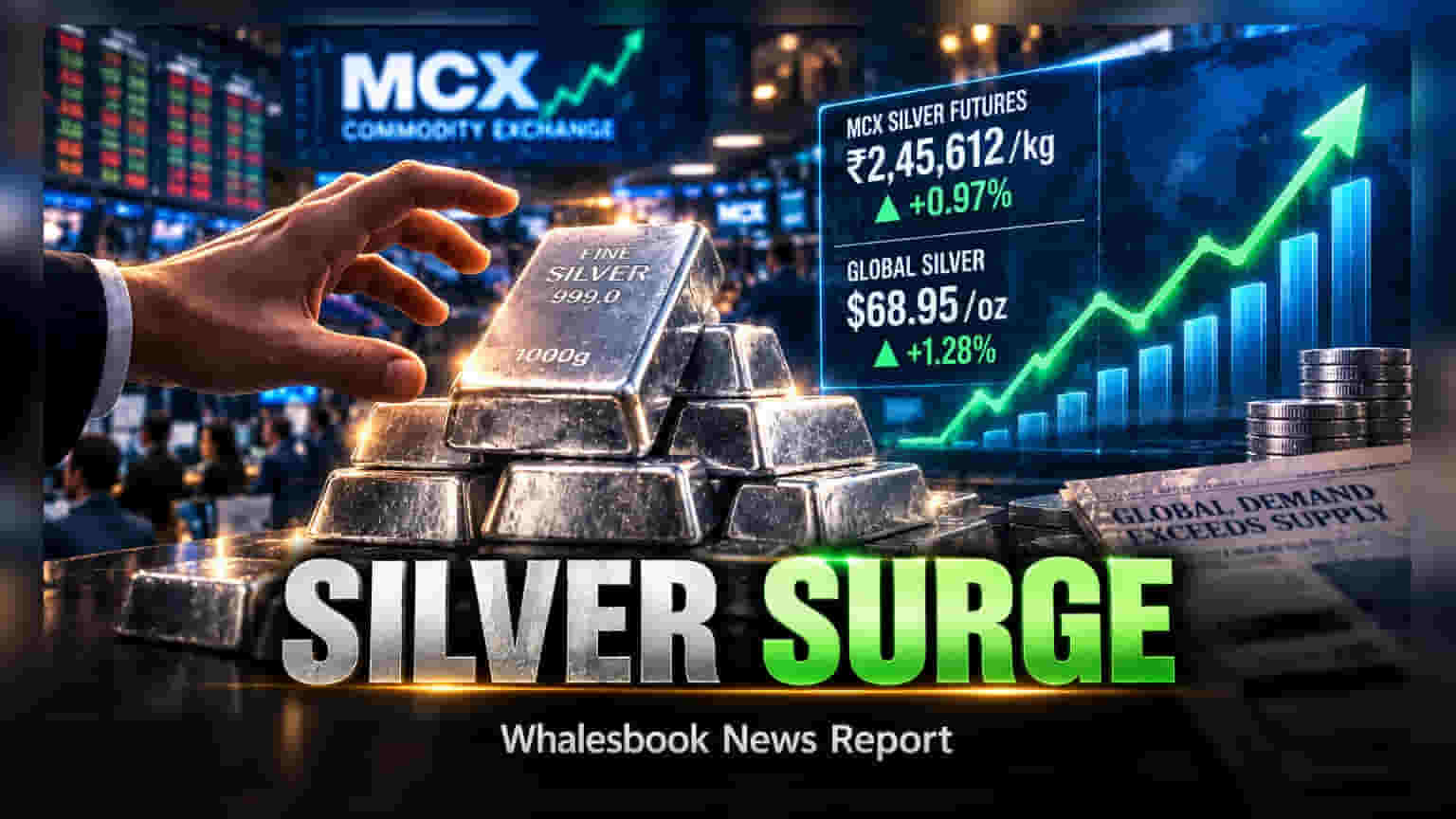
Silver futures on the Multi Commodity Exchange (MCX) climbed 0.97% to reach ₹2,45,612 per kilogram on August 21, 2026. The rise follows higher global prices, which were triggered by a weaker US dollar and new US Treasury debt buyback plans. This rally highlights the current investor interest in precious metals.
Silver futures for September delivery on the Multi Commodity Exchange (MCX) rose 0.97% to touch ₹2,45,612 per kilogram on Friday, August 21, 2026. This upward movement mirrors international market trends, where silver prices also climbed 1.28% to trade at $68.95 per ounce.
The price jump is primarily linked to developments in the United States. Following the US Treasury Department's announcement to increase long-term debt buybacks, market sentiment shifted, leading to a weaker US dollar and lower Treasury yields. Since silver is priced in dollars, a weaker currency makes the metal more attractive to international investors.
This increased trading interest in precious metals has directly benefited the Multi Commodity Exchange (MCX) in India. Shares of the exchange rose 8% over the three trading sessions leading up to August 21, as higher volumes in gold and silver trading contribute to the company's transaction-based revenue.
Beyond short-term price movements, silver is also facing a tighter supply situation. Market data from the Silver Institute indicates that 2026 could mark the sixth consecutive year where the global demand for silver exceeds the total amount produced. This structural supply deficit often acts as a supporting factor for long-term price stability, though it does not guarantee immediate price growth.
Investors should be aware of the risks associated with this commodity rally. Futures trading involves high leverage, which can lead to losses quickly if the market moves in an unexpected direction. Furthermore, the current silver rally is highly sensitive to US monetary policy and Federal Reserve decisions. Any change in interest rate expectations or significant shifts in US Treasury policy could cause prices to reverse.
Geopolitical risks also remain a factor for the commodity. Tensions related to global trade tariffs and regional conflicts, such as those involving Iran, can create instability in financial markets, often leading to rapid price swings in precious metals.
The next important monitorables for the market include the upcoming Federal Reserve policy statements, any further updates on US debt management, and the consistency of trading volumes on the exchange. Shareholders and commodity traders will likely watch these indicators to see if the current price momentum can be sustained in the coming weeks.