 Whalesbook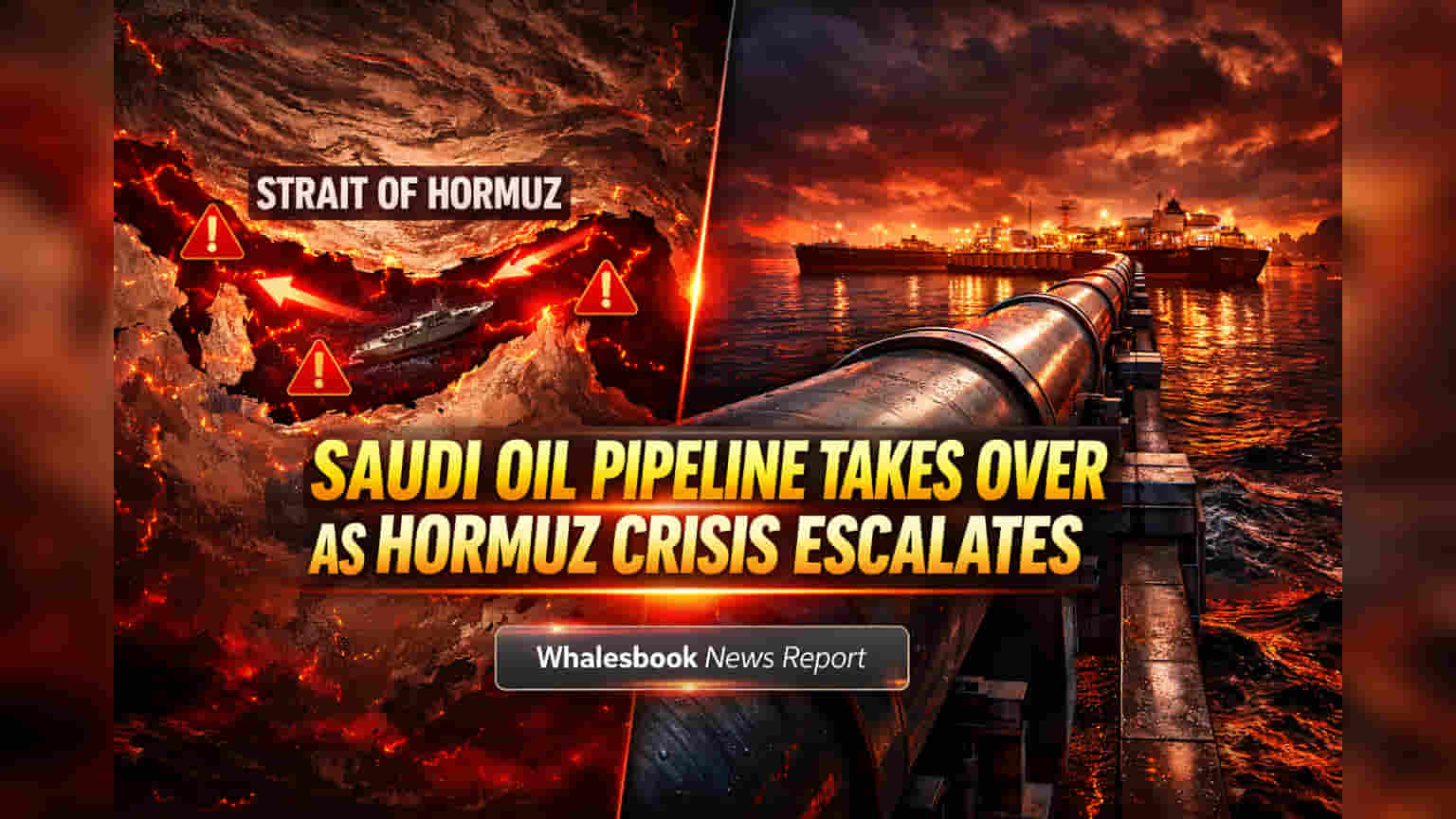
Strategic Oil Route Shift
Saudi Arabia's East-West pipeline activation is a key move responding to Middle East conflict disruptions. This shifts export vulnerability from the Strait of Hormuz to the Bab El-Mandeb Strait, a narrower, more volatile passage. It highlights global energy security's fragility and the cost of maintaining supply under pressure.
Pipeline Reroutes Millions of Barrels
The 1,200-kilometer East-West pipeline now carries an average of 3.66 million barrels per day to Yanbu. This makes Yanbu a central export hub, requiring complex logistics and increased vessel traffic in a tense region. While Saudi Arabia has historically boosted output during crises, this strategy relies on a route with new choke-point risks.
Red Sea Chokepoints and Rising Costs
Tankers must now navigate the Bab El-Mandeb Strait, a critical passage linking the Red Sea to the Gulf of Aden. This strait is a flashpoint for Houthi militants, who have threatened to block traffic, directly risking Saudi oil shipments. Higher security needs and potential transit delays in this corridor add significant operational costs. The UAE's ADCOP pipeline offers a lower-capacity but more diversified alternative by bypassing Hormuz via the Gulf of Oman. Oman's Duqm port is also expanding storage and export capacity, reflecting a regional trend to diversify away from concentrated maritime risks.
New Vulnerabilities for Saudi Aramco
Relying on the East-West pipeline and Yanbu exposes Saudi Arabia to new, concentrated risks. Iran has threatened energy infrastructure if its facilities are hit, raising concerns about direct attacks on the pipeline, Yanbu, or refineries. Past attacks on Saudi infrastructure, like the Ras Tanura refinery, show this threat is real. The operational demands and security for Yanbu port, plus potentially higher tanker charter rates, could strain Saudi Aramco financially. Despite Aramco's capacity aims (13 million bpd by 2026) and low extraction costs (around $2/barrel), these new logistics and security needs add expense and represent a strategic gamble. Analysts rate Saudi Aramco 'Buy' with price targets around SAR 25-45, but acknowledge market volatility and the Saudi government's need for cash, which could lead to asset sales or affect strategy. Some forecasts point to a negative trend for Saudi Aramco in 2026, citing market oversupply fears and geopolitical uncertainties. As of March 2026, Saudi Aramco's market capitalization is $1.743 trillion USD, with a P/E ratio around 17.0-18.79.
Managing Red Sea Geopolitical Risks
The East-West pipeline offers immediate relief from Strait of Hormuz issues but isn't risk-free. Concentrating export activity at Yanbu, alongside Bab El-Mandeb dangers and threats from Iran, means geopolitical risk premiums will likely keep influencing oil prices. Analysts are split: Goldman Sachs raised its 2026 Brent crude forecast to $85/barrel due to Hormuz risk, while others expect an oversupplied market with prices possibly below $60. Saudi Arabia and Aramco's ability to manage these concentrated risks in a complex geopolitical environment will be crucial for market stability and shareholder value.