 Whalesbook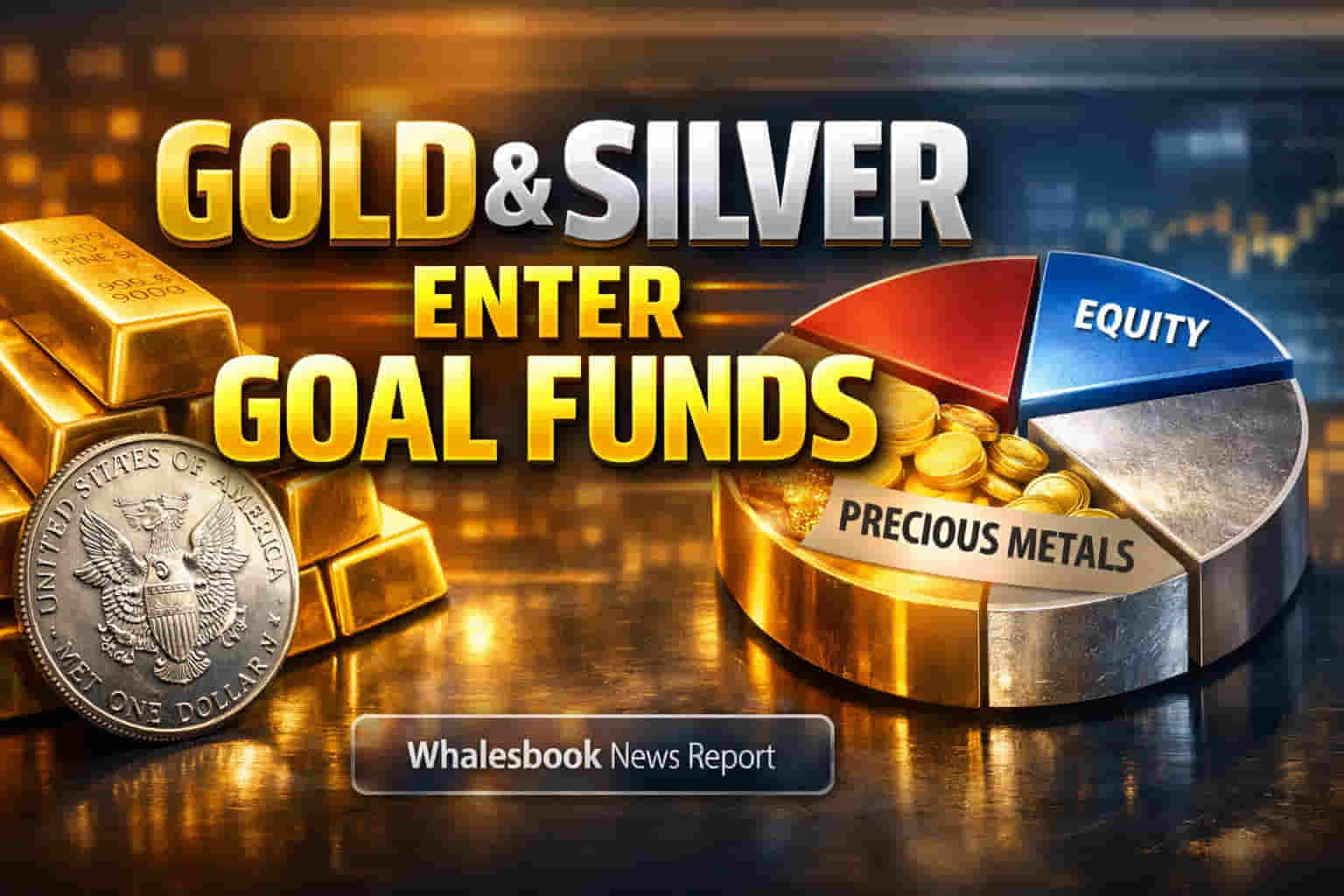


SEBI Embraces Gold in Lifecycle Funds Amidst ETF Valuation Shift
Securities and Exchange Board of India (SEBI) has initiated a dual regulatory maneuver, formally permitting the inclusion of gold and silver within Life Cycle Funds and simultaneously revising the valuation methodology for precious metal Exchange Traded Funds (ETFs). These strategic adjustments, effective from April 1, 2026, signal a significant evolution in India's investment product framework, aiming to enhance portfolio diversification, domestic price discovery, and investor confidence.
Regulatory Reconfiguration
The most prominent change allows mutual fund houses to incorporate gold and silver into Life Cycle Funds, also known as Target Date Funds, with an allocation cap of 0-10% for these precious metals and other linked instruments. This move integrates gold and silver as recognized asset classes within a structured, goal-oriented investment product, moving beyond their traditional role in hybrid or specialized funds. Concurrently, SEBI is mandating a shift in how gold and silver ETFs are valued. From April 1, 2026, these funds will transition from using the London Bullion Market Association (LBMA) fixing prices to employing polled spot prices published by recognized Indian stock exchanges. This regulatory recalibration seeks to ensure valuations are more reflective of domestic market conditions and enhance transparency, moving away from a system involving currency conversions, import duties, and notional premiums. SEBI has also proposed modifications to price bands and cooling-off periods for commodity ETFs to enable more dynamic market pricing.
Precious Metals: A Strategic Pillar for Indian Portfolios
This regulatory evolution occurs against a backdrop of strong performance and growing institutional conviction in precious metals. Gold has demonstrably outperformed Indian equities (Nifty 50), real estate, and debt over 1, 3, 5, 10, and 20-year periods, showcasing a 15.6% CAGR over two decades compared to the Nifty 50's 12.6%. More recently, gold ETFs delivered up to 72% returns in 2025, with silver experiencing an even more dramatic rally. Projections for 2026 remain bullish, with analysts anticipating gold prices could reach $4,000–$6,200 per ounce, and J.P. Morgan forecasting $5,000/oz by the end of the year.
Key drivers supporting this outlook include substantial central bank purchasing, driven by geopolitical uncertainties and concerns over currency reliability, and robust investor demand, particularly from ETFs. Elevated stock/bond correlations also enhance gold's appeal as a crucial diversifier and a hedge against duration risk and potential currency debasement. The Indian Rupee's performance against the US Dollar further influences domestic gold prices, adding another layer to its hedging capabilities. The total Assets Under Management (AUM) for Gold ETFs in India surpassed ₹1 lakh crore by October 2025, indicating strong retail and institutional participation.
The Bear Case: Hidden Volatility and Structural Concerns
Despite the positive outlook, the inherent volatility of precious metals, particularly silver, warrants caution. Silver's sharp intraday swings have been notable, and gold itself is prone to periods of consolidation or subdued returns. While gold offers a hedge against global uncertainty and inflation, it does not substitute for equities as the primary engine for long-term wealth creation. Analysts emphasize that gold's role is tactical and protective, rather than aggressive growth-oriented. The effectiveness of gold allocation is maximized within defined limits, typically recommended at 5-15% of a portfolio, to balance diversification benefits without diluting equity's growth potential. The refined ETF pricing mechanism, while enhancing transparency, introduces complexity with proposed changes to price bands and cooling-off periods, which can still influence short-term trading dynamics.
Future Outlook
The regulatory integration of gold and silver into structured products like Life Cycle Funds, coupled with the move towards domestic price benchmarks for ETFs, signifies a strategic push by SEBI to foster a more resilient and diversified Indian investment ecosystem. Supported by robust global demand, central bank accumulation, and ongoing geopolitical concerns, precious metals are poised to maintain their relevance as a core component of sophisticated portfolios, serving as both a store of value and a strategic hedge against market volatility. Analysts largely maintain a constructive outlook for gold in 2026, expecting continued price appreciation.