

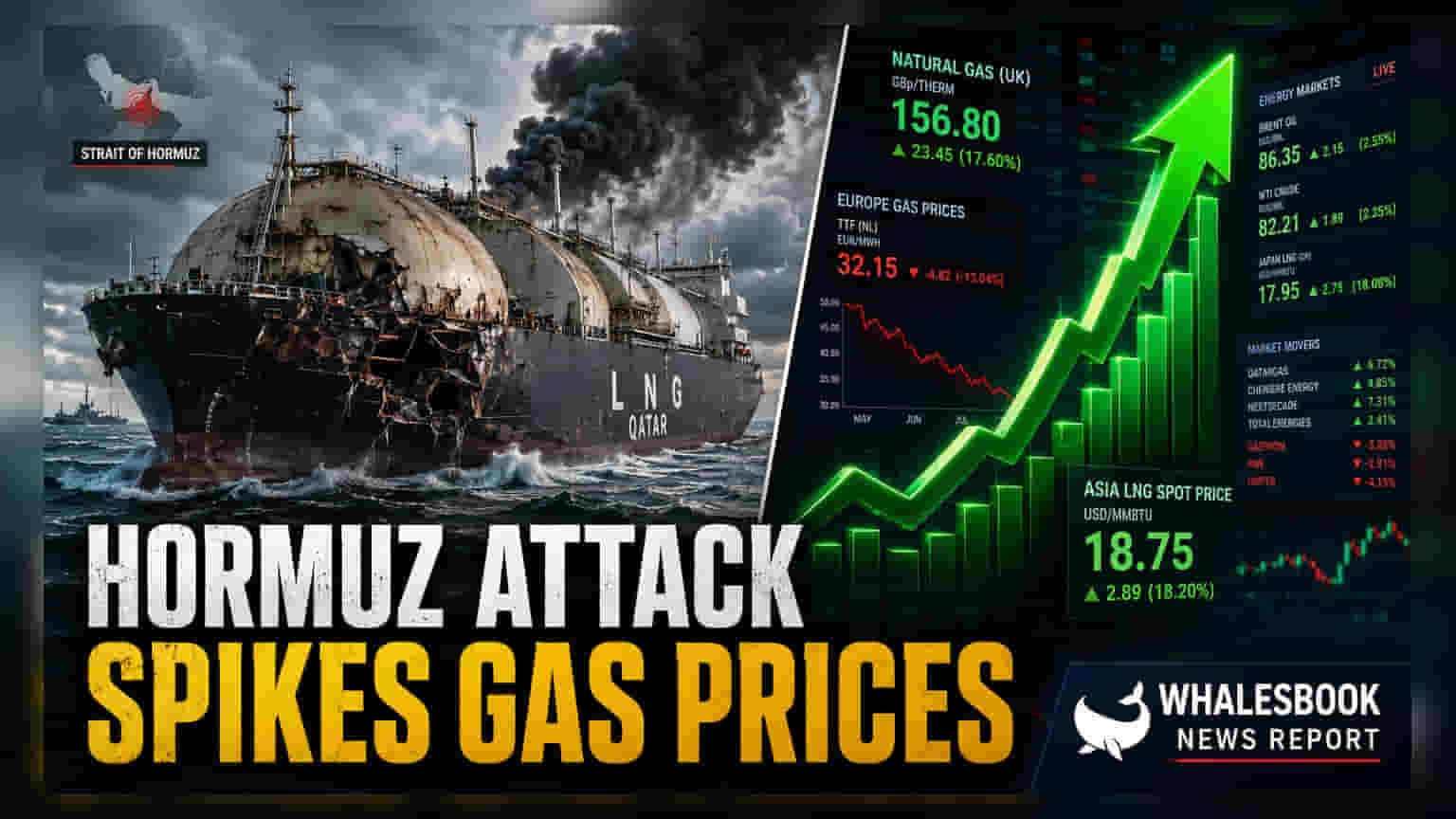
A Qatari LNG carrier was struck by a missile or drone near the Strait of Hormuz, causing a fire and renewed supply security concerns. The incident triggered a 4.5% surge in European natural gas prices. Investors should note that this disruption threatens Qatar’s export stability and highlights persistent geopolitical risks in a critical global energy corridor.
Energy markets faced fresh volatility on Tuesday following an attack on the Al Rekayyat, a liquefied natural gas (LNG) carrier operated by Qatar’s state-run Nakilat. The vessel was reportedly struck approximately 8 nautical miles east of Limah, Oman, shortly after leaving the Strait of Hormuz. Initial assessments indicate the ship was hit by a drone or missile, resulting in an onboard fire. This event marks a significant escalation, as the vessel was carrying cargo loaded at Ras Laffan, which serves as a central hub for global LNG exports.
Impact on Energy Prices and Shipping
Market participants reacted immediately to the news, with European natural gas prices climbing up to 4.5% during early Asian trading sessions. Brent crude futures also registered gains as traders reassessed the risk of supply chain interruptions. Before this incident, energy markets had shown signs of stabilizing due to expectations of improved transit through the Strait of Hormuz following recent diplomatic efforts.
The security environment in the waterway remains fragmented. Shipping data suggests that while some vessel traffic has moved toward an Iran-approved northern corridor, other operators continue to utilize a passage near the Omani coast managed with US support. This split in transit routes underscores the ongoing difficulty shipowners face in balancing delivery schedules with physical security risks.
Risks to Qatari LNG Exports
For Qatar, which is a major global supplier of LNG, the safety of tankers departing Ras Laffan is paramount. Any sustained threat to these vessels could hinder the nation's efforts to maintain consistent export flows. While diplomatic dialogue between regional powers continues, the persistence of such attacks indicates that a durable security framework for the waterway has yet to be established.
Investors monitoring the energy sector should track whether this incident leads to higher insurance premiums for tankers, which can increase operational costs and impact profitability for companies involved in the region's shipping and energy trade. The long-term impact on global gas supplies will depend on whether shipping companies perceive the Strait of Hormuz as a manageable risk or if they begin to seek costlier, alternative routes. Future market updates will likely focus on official statements regarding the crew's safety, the extent of damage to the vessel, and any subsequent shifts in maritime security policies for the region.