 Whalesbook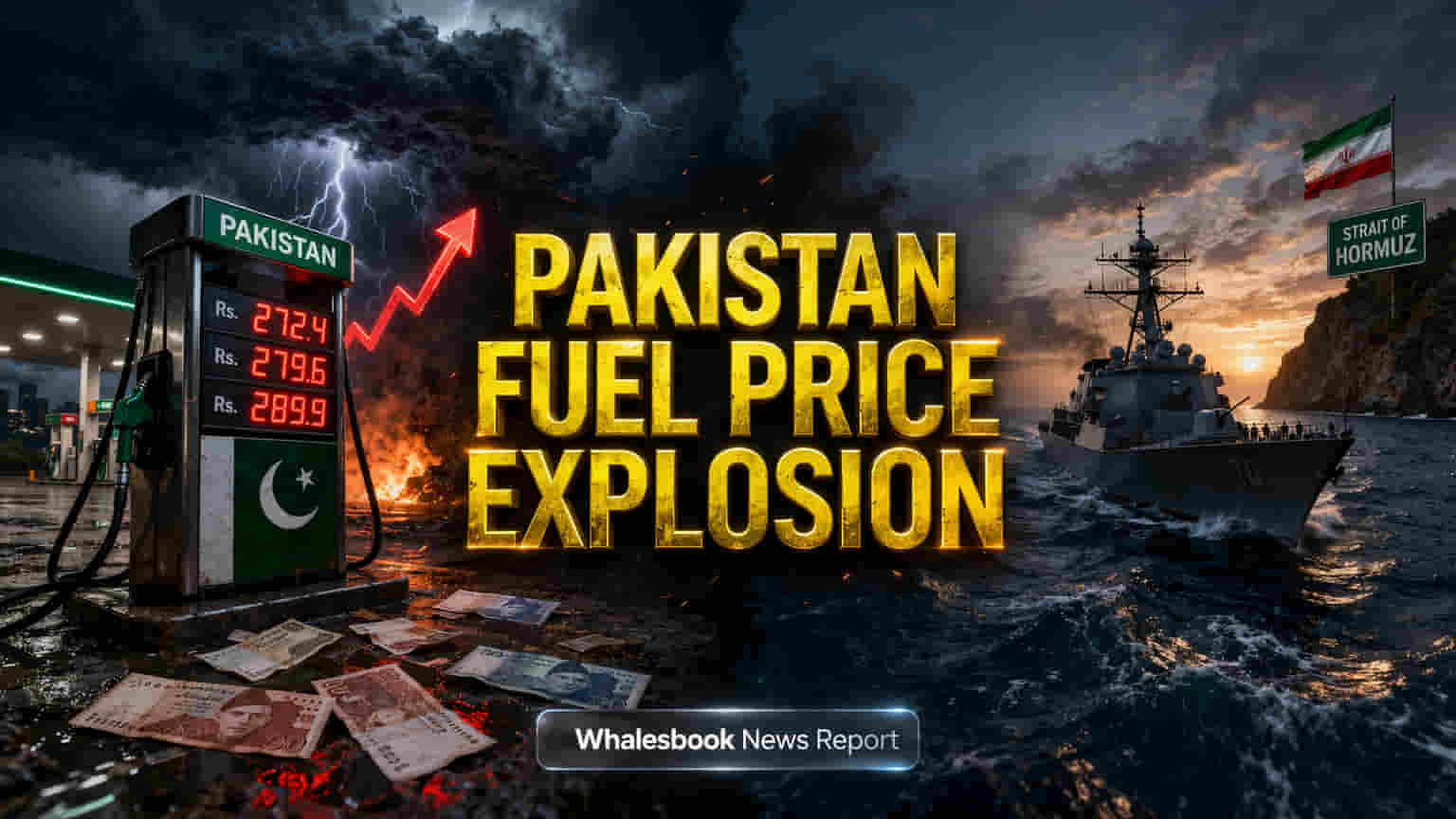
Pakistan Dramatically Raises High-Octane Fuel Price
Global oil prices are a major economic worry. Brent crude recently traded between $90 and $100 a barrel, after climbing towards $120 on Middle East tensions and disruptions in the Strait of Hormuz. Pakistan's government has responded by sharply increasing the price of high-octane fuel by 200%, raising it from PKR 100 to PKR 300 per liter. Prime Minister Shehbaz Sharif approved the move, which is a targeted strategy aimed mainly at luxury vehicle owners. The goal is to generate revenue and manage demand without impacting essential fuel and public transport.
Regional Fuel Price Trends Differ
Pakistan's approach differs from its regional neighbors. India has kept consumers largely insulated from global price swings, with oil companies absorbing most of the higher costs for regular petrol and diesel. Sri Lanka, however, has experienced several sharp fuel price increases in early 2026, with regular petrol reaching LKR 398. These hikes have strained public transport and raised concerns about service cuts. Pakistan's decision to keep public transport and air travel costs separate from this high-octane fuel increase aims to ease wider inflation for its citizens.
Economic Strain and Austerity Drive
The global energy crisis, worsened by disruptions in the Strait of Hormuz, continues to strain economies worldwide. For Pakistan, already working with the IMF, the economic balancing act is challenging. Inflation is a major concern, with forecasts for March 2026 around 7-7.5% year-on-year, risking a rise into double digits if crude oil prices stay above $100 a barrel. This situation highlights the government's broader austerity efforts, including cutting fuel use for official cars, promoting work-from-home, and reducing non-essential government spending. A previous PKR 55 per liter increase on petrol and diesel on March 6th shows the continuing fiscal strain. The government expects the new high-octane tax to bring in about PKR 9 billion monthly, earmarked for public relief programs.
Outlook and Risks Ahead
While the government aims to shield ordinary people, potential indirect price increases from higher transport costs are a risk. Pakistan's continued reliance on IMF support limits its budget choices, requiring ongoing fiscal caution. How well this revenue plan works will be key, especially compared to India's approach of protecting consumers. The future depends on stable global oil prices and Pakistan's success in managing inflation, which analysts warn could go over 10% if crude oil stays high. The government's pledge to use the new revenue for public relief programs will largely determine if this policy succeeds in the current economic climate.