 Whalesbook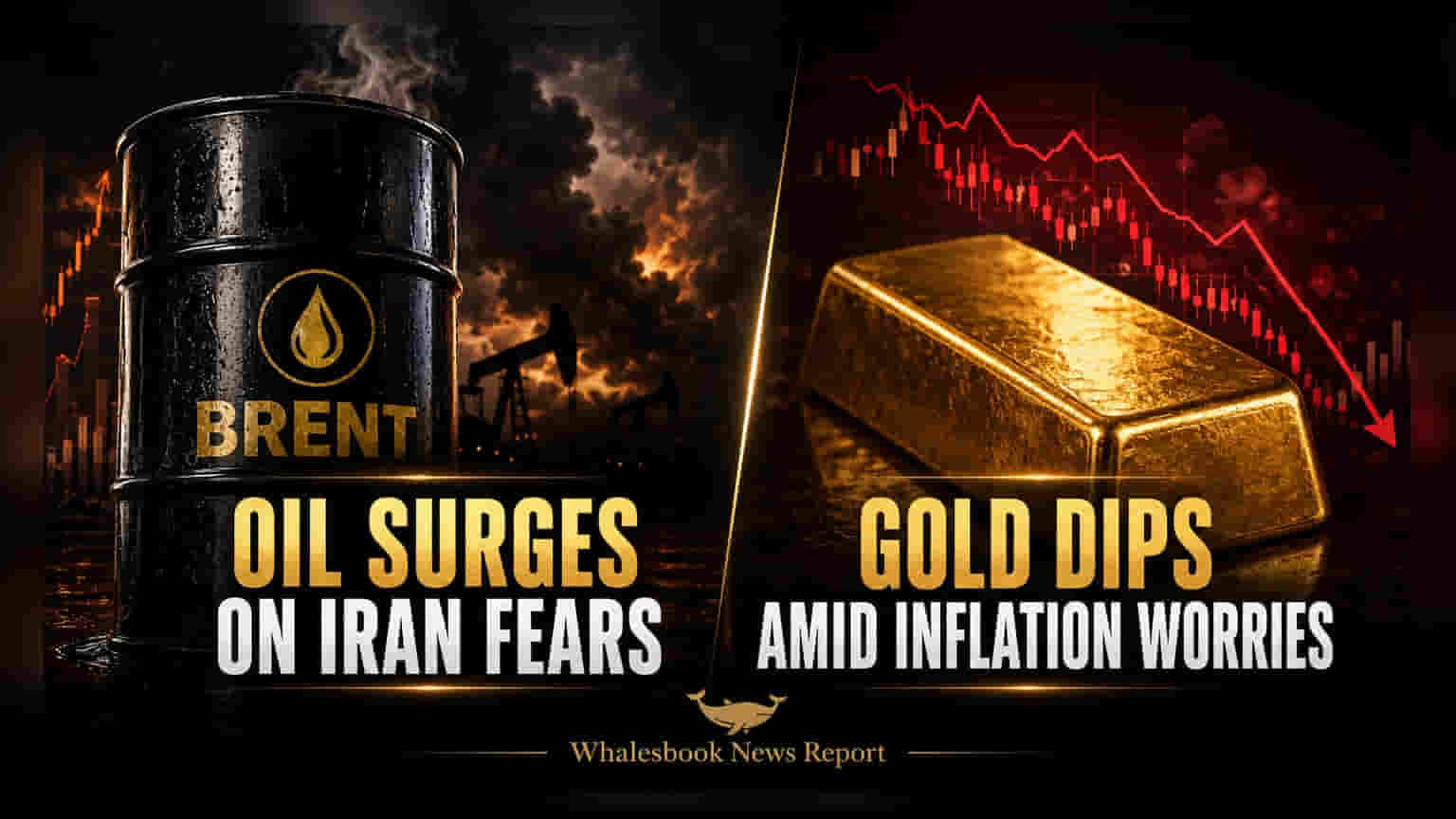


Oil Surges on Geopolitical Risks
Crude oil futures climbed Friday, with Brent crude approaching $106 per barrel. This rise is linked to escalating geopolitical tensions involving Iran, particularly reports that enriched uranium remains within the country, which could hinder diplomatic efforts. The market is watching developments in West Asia closely, as such events have historically impacted global energy supplies. This marks a return to upward momentum after a three-day drop, highlighting the market's sensitivity to supply-side concerns.
Inflation Fears Press Down Gold and Silver
Precious metals faced selling pressure as rising oil prices intensified expectations of ongoing inflation. This outlook increases the likelihood of central banks adopting more restrictive monetary policies. Spot gold dipped, and spot silver also saw a decline. Higher Treasury yields, often associated with rising inflation expectations and anticipated interest rate hikes, make non-yielding assets like gold less attractive. The interplay between oil prices, inflation expectations, and central bank actions remains key for investors in commodities and fixed income.
US Stocks Show Mixed Resilience
US equity markets displayed resilience, with the S&P 500 and Nasdaq Composite recording modest gains. The Dow Jones Industrial Average, however, performed better, reaching a new all-time high. This strength appears to be supported by corporate earnings reports and renewed investor interest, possibly boosted by significant tech IPO filings. The differing performances across major indices indicate varied sector strengths and investor sentiment in the broader market.
Oil Market Volatility and Supply Concerns
Oil prices have been volatile this year, with ongoing concerns about supply disruptions, especially concerning the Strait of Hormuz—a vital transit point for global oil—continuing to affect market sentiment. While Brent crude has neared levels seen earlier this year and during the start of the Russia-Ukraine crisis, it remains below its 2008 peak. Previous price surges were later moderated by diplomatic easing and strategic petroleum reserve releases by major countries, showing how the market reacts to both supply shocks and coordinated demand management. The current geopolitical climate suggests oil prices could remain prone to rapid swings based on international relations and their supply impact.