 Whalesbook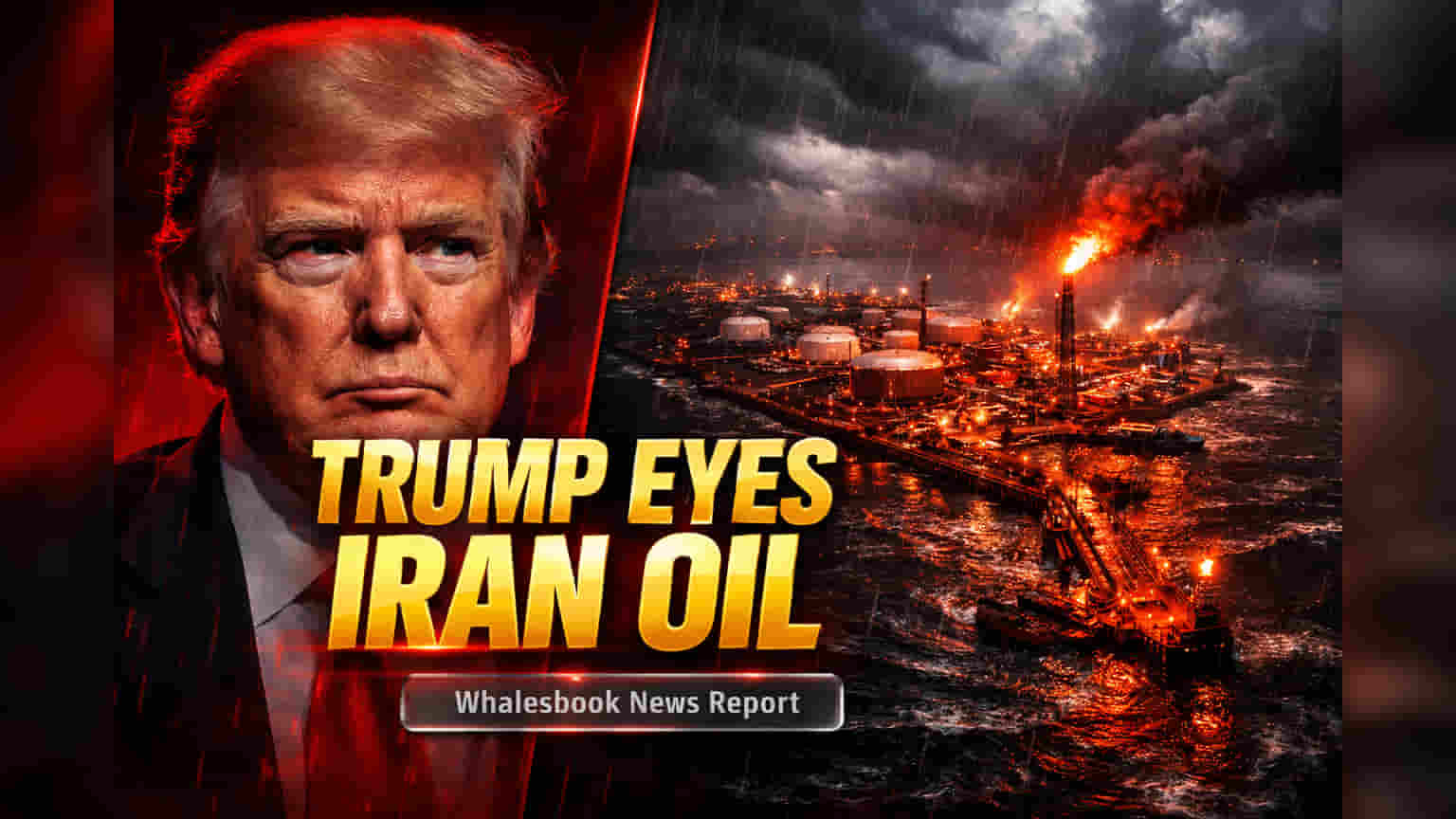
Oil Prices Jump on Iran Tensions and Trump's Remarks
Global oil markets are experiencing sharp price swings, with Brent crude leaping over $116 a barrel. This represents a more than 50% increase in recent weeks, driven by rising geopolitical risks. Former President Trump's suggestion of seizing Iranian oil assets, including Kharg Island – the nation's main export hub – is a key factor. Experts warn that any military action targeting critical energy infrastructure would likely worsen regional conflict, leading to more casualties and higher costs. The potential disruption to Iran's approximately 2.5 million barrels per day in exports highlights how sensitive global supply is to the situation.
Diplomacy Meets Aggressive Rhetoric
Despite aggressive talk, including forceful acquisition of oil infrastructure, diplomatic efforts are also underway. Indirect negotiations with Iran, reportedly using Pakistani intermediaries, are said to be progressing. Tehran has a deadline of April 6 to agree to a deal. This combination of escalating rhetoric and simultaneous diplomacy creates uncertainty for traders. While a negotiated settlement is possible, specific details about a ceasefire or the reopening of the Strait of Hormuz, a vital shipping route for oil, remain undisclosed.
Economic Strain Felt Globally
The economic impact of this geopolitical instability is starting to extend beyond oil markets. India, which depends heavily on oil imports, is already showing signs of strain. The country's Chief Economic Adviser has warned of significant negative effects on India's growth, inflation, and trade balance. If oil prices remain high, above $100 a barrel, it poses a substantial threat to global economic recovery, worsening inflation and reducing consumer spending worldwide.
The High Stakes of Escalation
The aggressive posture, including the idea of seizing Kharg Island, carries significant risks. Experts caution that such a move would be a major escalation, potentially pulling the U.S. into a prolonged ground war with unpredictable outcomes. While some argue Iran's defenses at Kharg Island are weak, past regional conflicts show underestimating local resistance and guerrilla tactics can lead to long and costly engagements. The deployment of about 10,000 U.S. troops for ground operations, while notable, might not be enough to secure vital oil infrastructure against determined opposition without considerable additional commitment. The economic cost of such an operation, weighed against the potential for retaliation affecting global shipping or allied energy supplies, points to a considerable downside scenario. While other major oil producers are increasing output to fill some gaps, this may not fully offset the immediate shock of a major disruption to Iranian supply.
Market Outlook: Uncertainty Ahead
Oil prices have reacted sharply upward, reflecting a substantial geopolitical risk premium. Future price movements will largely depend on the progress of diplomatic efforts versus any concrete military actions. Analysts suggest that any indication of talks breaking down or a tangible step toward intervention could send prices soaring further, potentially to multi-year highs. Conversely, a de-escalation and a clear path to a diplomatic resolution would likely lead to a price correction. However, underlying supply-demand dynamics and broader geopolitical uncertainties will continue to influence market behavior.