

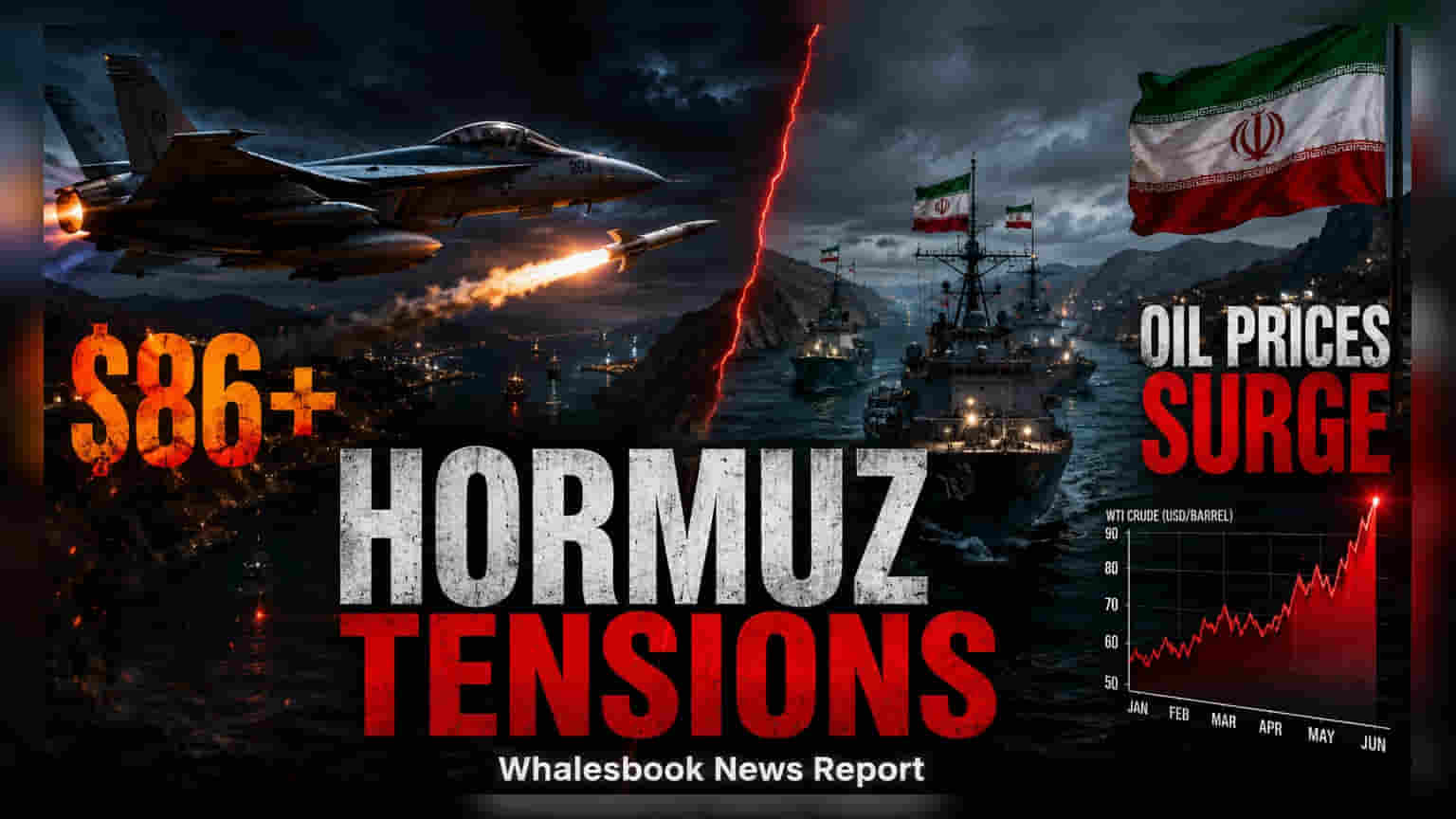
Oil prices have climbed past $86 a barrel as renewed military strikes between the US and Iran intensify, leading to significant disruptions in the Strait of Hormuz. With shipping traffic through this critical energy corridor now sharply restricted, global supply chain concerns are rising, impacting markets that depend on stable oil transit.
Global energy markets are facing renewed pressure following a sharp escalation in the conflict between the United States and Iran this Saturday. The collapse of an interim ceasefire has led to renewed strikes, with military and infrastructure sites targeted across the region, including reports of damage to power and desalination plants in Iran's Hormozgan province.
Impact on Energy Logistics
The Strait of Hormuz, a vital narrow waterway through which a significant portion of the world's oil transits, has become the focal point of the current tension. Since late February, Iran has imposed strict controls on vessel traffic, claiming authority over the passage and charging fees to ships attempting to cross. Data from vessel tracking services indicates that daily crossings through this corridor have dropped to an average of just eight vessels as of last Thursday. This artificial constraint on supply routes is a primary driver behind oil prices climbing above $86 a barrel, reaching levels not seen in the past month.
Regional Escalation and Supply Risks
The intensity of the conflict has spread beyond the immediate borders, with air defense systems in countries such as Kuwait, Iraq, and Jordan engaging incoming drones and missiles. For energy markets, the risk extends beyond immediate physical damage to infrastructure. The United States has responded to the heightened activity by renewing a naval blockade on Iranian ports intended to halt crude oil exports. These combined actions—restricted passage through the Hormuz corridor and the naval blockade—create a dual pressure point for global oil supplies.
Economic and Political Uncertainty
Investors are closely monitoring the political situation as the US administration faces pressure to manage the conflict and prevent further entanglement. Previous diplomatic efforts, including talks regarding Iran's nuclear program, have stalled, replaced by a strategy of targeting transportation infrastructure and power grids to influence Iran's actions. The situation remains volatile, and the potential for a prolonged disruption to shipping remains high.
For market participants, the key monitorables will be the actual volume of oil tankers successfully passing through the Strait of Hormuz and any further announcements regarding the naval blockade. Any sustained closure or significant escalation in regional conflict could lead to continued price volatility for crude oil, affecting energy-importing nations and related industries globally. The market is also tracking whether global reserves or alternative supply routes can mitigate the impact if the current shipping restrictions remain in place for an extended period.