 Whalesbook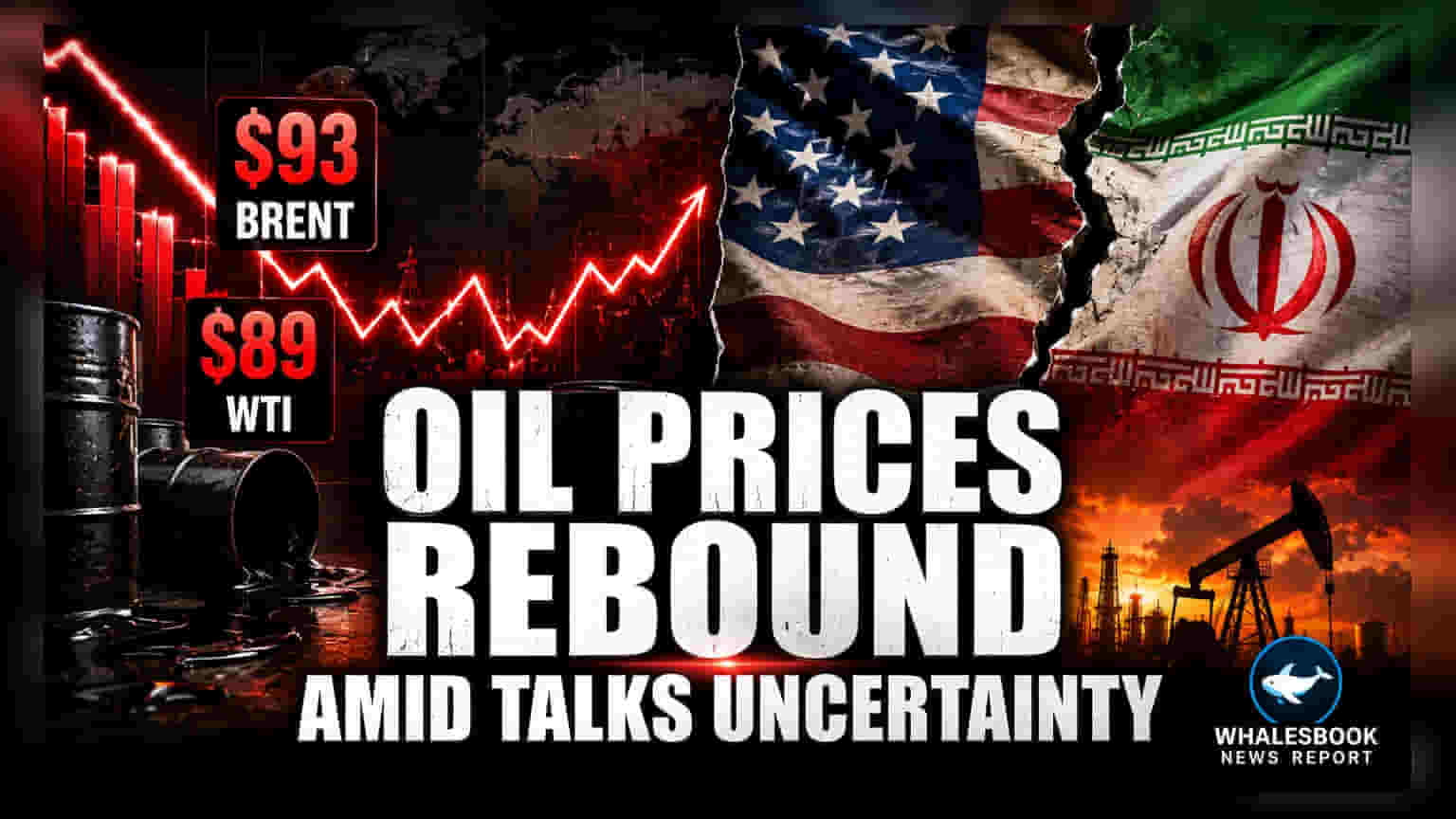


The Geopolitical Risk Premium
Global energy markets are grappling with a renewed surge in volatility as the conflict in the Middle East spills over into critical transit routes. Benchmark Brent crude futures advanced to approximately $93 per barrel, while West Texas Intermediate (WTI) rose near the $89 mark. This upward momentum, which reversed a notable weekly decline, is primarily tethered to the escalation of military operations between Israel and Hezbollah. While the conflict in Lebanon is distinct from the broader U.S.-Iran standoff, the perceived instability has diminished investor confidence in a durable diplomatic resolution, placing a fresh geopolitical risk premium on energy prices.
The Strait of Hormuz Bottleneck
Despite ongoing mediation efforts, the status of the Strait of Hormuz remains the central fulcrum for market uncertainty. The waterway, a non-negotiable chokepoint for global oil distribution, has been effectively closed to most commercial traffic for weeks. Recent reports from regional monitors suggest that Iran has continued to deploy mines within the passage, directly undermining efforts to facilitate safe maritime transit. Even as diplomatic discussions continue regarding a potential 60-day ceasefire extension, energy analysts warn that a formal agreement would not guarantee an immediate, high-volume restoration of supply flows. Technical hurdles, including the physical removal of naval mines and the repair of strike-damaged infrastructure at Iranian energy facilities, imply that supply normalization remains a long-term prospect rather than an imminent relief.
The Forensic Bear Case
While the current narrative focuses on supply constraints, a cynical view of the market reveals underlying structural risks. Increased oil prices are rapidly heightening inflationary pressures, which may force central banks to maintain restrictive monetary policies for longer than the market has priced in. Furthermore, the reliance on high-frequency geopolitical headlines creates a precarious environment for traders; any sudden de-escalation, even if superficial, could trigger a sharp technical pullback. Unlike periods of fundamental demand growth, the current price floor is artificially supported by potential systemic blockades. If diplomatic progress eventually allows for the removal of maritime mines and the resumption of tanker traffic, the rapid unwinding of this "conflict premium" could lead to a severe and swift correction in crude valuations.
Forward Guidance and Consensus
Market expectations for the remainder of the second quarter remain decidedly mixed. With the International Energy Agency noting historic supply disruptions, the consensus among global macro analysts is that volatility will persist as long as the U.S. and Iran contest control of the strait. While some market models project a consolidation phase near the $100 level, the actual trajectory remains hostage to daily developments in Washington, Tehran, and the Levant. Investors should prepare for a period where diplomatic rhetoric, rather than inventory data, remains the primary driver of price action.