

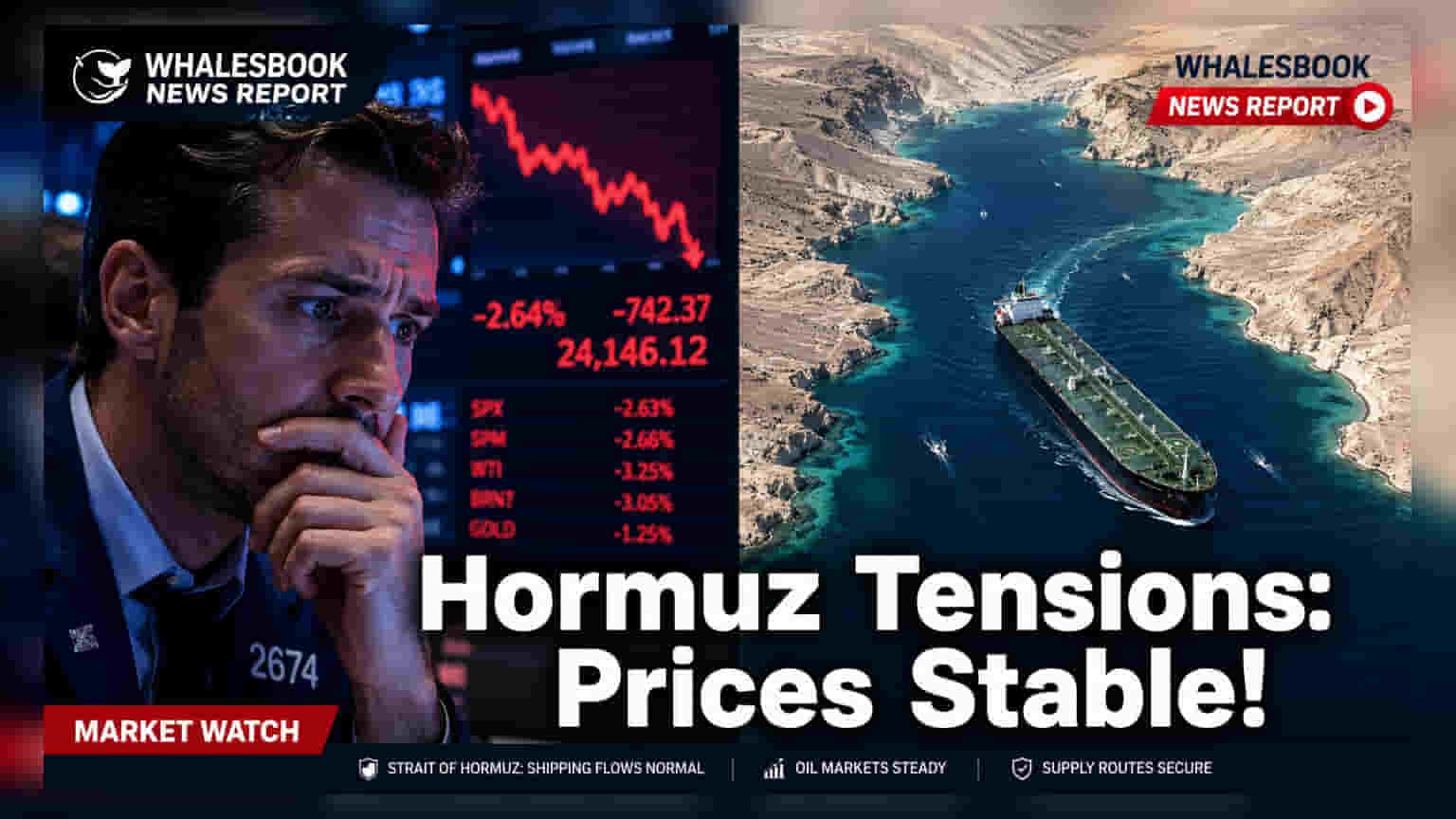
Global oil prices remain stable despite new projectile attacks near the Strait of Hormuz. Traders are currently unfazed as shipping flows continue, and ample global supply reduces fears of a major supply shock.
Oil prices have shown notable resilience, trading with only modest gains following recent projectile attacks on a liquefied natural gas tanker near Oman. While the Strait of Hormuz is a critical energy chokepoint accounting for nearly 20% of the world's oil trade, commercial shipping operations have continued without major interruptions. This calm market reaction suggests that traders are increasingly viewing localized security incidents as part of the current regional operational environment rather than signals of a sustained supply crisis.
Market Factors Supporting Stability
Several factors are currently buffering the market against geopolitical volatility. Data from Kpler shows that 108 vessels successfully transited the Strait between July 3 and July 5, demonstrating that shipping corridors remain functional. Additionally, many tanker operators are proactively adjusting their routes, favoring the Omani shipping lane to maintain a safer distance from the Iranian coastline. This tactical shift allows trade to continue despite the heightened security climate. Market confidence is further supported by the current abundance of global crude supplies, which helps prevent price spikes that would otherwise occur if supply security were genuinely threatened.
Competitive Pricing and Impact on India
Beyond shipping logistics, commercial dynamics are playing a significant role in market pricing. Saudi Arabia recently announced a notable cut in its official selling prices for Asian buyers. While this move is driven by commercial competition among major producers, it provides a buffer for importing nations. For India, which relies on imports for more than 85% of its crude oil requirements, stable prices and competitive offers from Middle Eastern producers are favorable developments. Increased competition among global exporters allows Indian refiners to maintain better bargaining power and secure more cost-effective supply deals.
Future Monitoring
While the market currently maintains a measured outlook, the situation requires ongoing observation. The ongoing navigation contest in the region, where Iran seeks to assert strategic influence by encouraging vessels toward its own coastline, remains a point of friction. Investors and energy analysts will be tracking whether these security incidents remain isolated or if they evolve into more disruptive events that could genuinely threaten global export volumes. Additionally, the progression of diplomatic engagements between regional players and global powers will remain a key factor in determining whether the current stability persists or if geopolitical risks begin to weigh more heavily on energy pricing.