 Whalesbook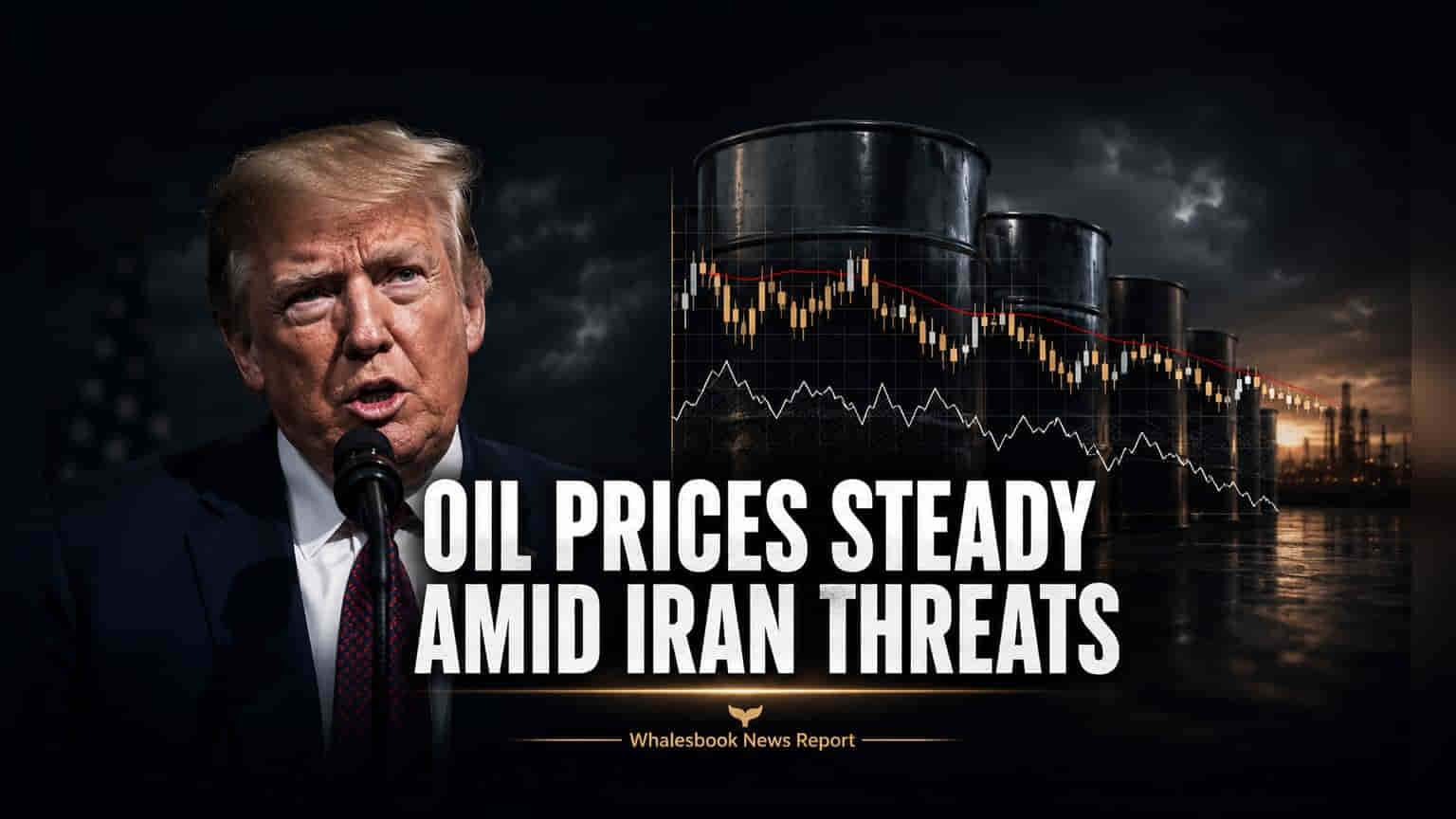


Geopolitical Risk Premium Holds Firm
Oil prices showed resilience this week, absorbing renewed threats of military action against Iran. Brent crude fluctuated near $111 a barrel, while WTI held steady around $104. These levels reflect a persistent geopolitical risk premium, driven by instability in a critical global energy transit zone. Despite President Trump's shifting public statements regarding Iran, the underlying threat of conflict in the Middle East continues to support oil prices. The market is cautiously watching for concrete escalation rather than reacting solely to verbal warnings, a sentiment influenced by past instances of withdrawn military threats.
Supply Chains Under Pressure, Inventory Declines
Disruptions to shipping through the Strait of Hormuz, a chokepoint for about 20% of global crude oil flow, remain a major concern. The conflict, now in its twelfth week, has impacted vessel passage. Further complicating supply, the U.S. has reportedly seized a third Iran-linked tanker in the Indian Ocean, highlighting efforts to curb Tehran's oil exports. NATO is discussing potential escort services for commercial shipping through the Strait of Hormuz if disruptions continue past early July, which could increase market supply and reduce the risk premium.
Adding significant support to oil prices were reports of a sharp decline in U.S. crude oil inventories. Preliminary industry data indicated a drop of 9.1 million barrels last week, potentially the largest decrease in stockpiles since September. This substantial drawdown in domestic supply, pending official confirmation, suggests strong demand or accelerated refinery activity, further tightening the market.
The Bear Case: Rhetoric vs. Reality
The market's current stability depends heavily on the perceived likelihood of actual military conflict. President Trump's shifting public stance creates uncertainty, making it difficult for traders to price in sustained conflict scenarios. If diplomatic channels or de-escalation efforts advance, the geopolitical risk premium could quickly disappear, leading to a price correction. Additionally, the effectiveness and escalation risks of NATO's involvement in securing the Strait of Hormuz are key variables. Miscalculations could worsen regional tensions, while a successful, non-confrontational escort mission might increase supply and pressure prices downward.
Future Outlook: Balancing Demand and Geopolitics
The direction of oil prices in the coming weeks will likely depend on the balance between ongoing geopolitical tensions in the Middle East and changes in global oil supply. While U.S. inventory data offers a near-term bullish signal, the White House's foreign policy pronouncements on Iran will remain a critical, unpredictable influence. If supply concerns ease through de-escalation or improved shipping security, the market may focus more on global demand signals and economic outlooks. However, past regional supply disruptions suggest geopolitical factors could continue to dominate market sentiment.