 Whalesbook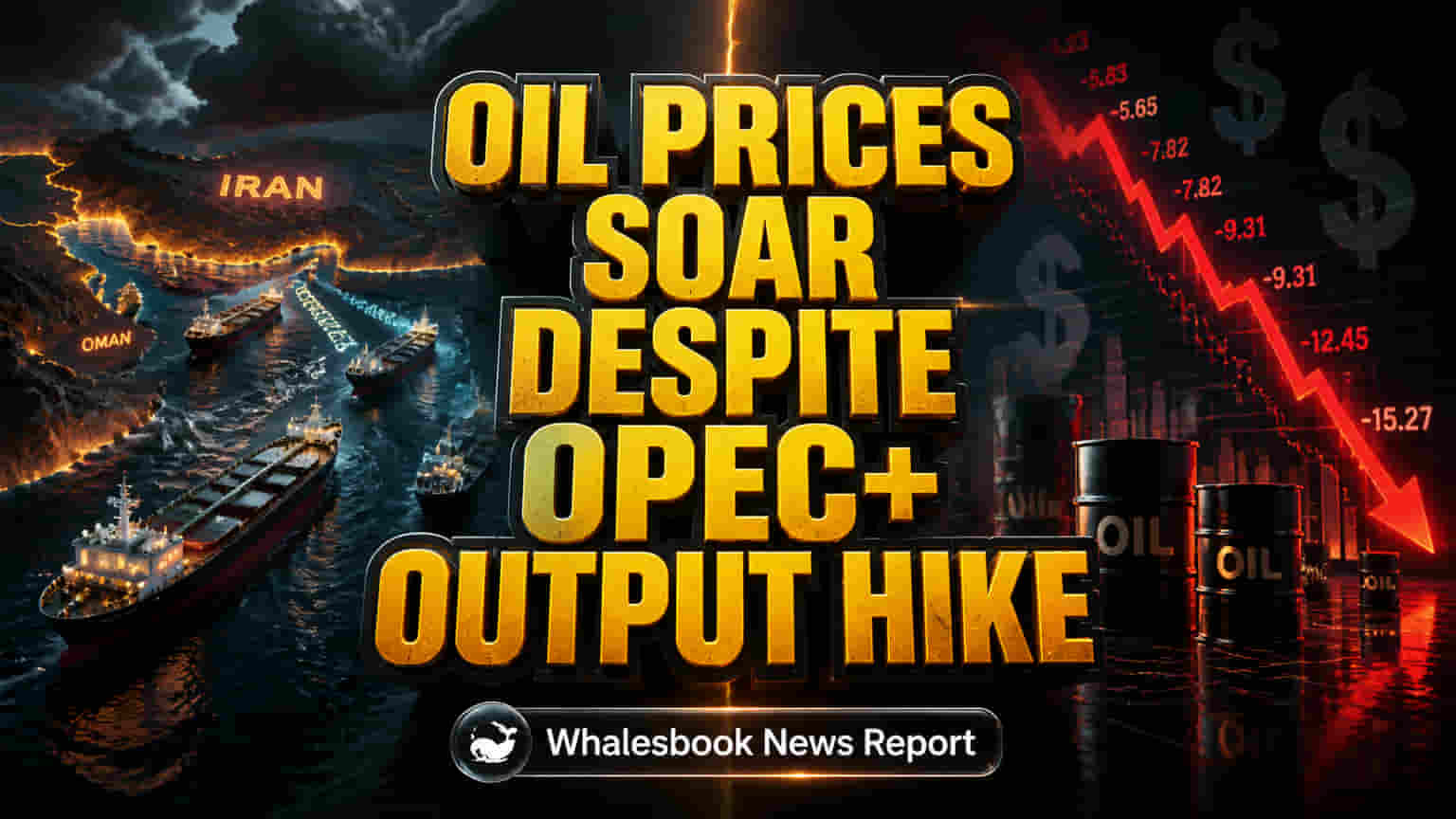


OPEC+ Output Boost Meets Market Resistance
OPEC+ agreed to raise its output targets for June 2026 by 188,000 barrels per day, aiming to stabilize global supply. However, market prices showed little reaction, indicating that the group's production adjustments are currently insufficient to calm anxieties over energy security, which remain focused on geopolitical risks.
The Production Increase
OPEC+ agreed to boost its output targets by 188,000 barrels per day for June 2026, an effort to ease supply constraints. This modest increase had little impact on benchmark crude prices, with Brent remaining near $108 per barrel and West Texas Intermediate holding just above $101. Historically, production changes of this size often fail to move prices significantly when larger forces are at play. The market seems to be factoring in that this rise might be absorbed by current demand or future supply uncertainties, rather than easing overall tightness.
Geopolitical Fears Drive Prices
Geopolitical tensions, particularly concerning the Strait of Hormuz, remain the main reason for high oil prices. This key shipping route handles a large amount of global oil transit, making it a constant source of market anxiety. While there were reports of Iran softening its stance, U.S. President Donald Trump's concerns indicate ongoing instability. Threats or disruptions in this region have historically added $5-$10 or more to oil prices due to fears of prolonged supply disruptions. This risk premium is currently outweighing OPEC+'s production increase, showing the market is more sensitive to potential supply shocks than to managed output changes.
Analyst Concerns About Market Stability
Energy analysts warn that OPEC+'s market stabilization efforts might not be enough against rising geopolitical volatility. Global oil demand forecasts for late 2026 are mixed, with some expecting growth from emerging economies but facing headwinds from inflation and economic slowdowns in developed nations. This complex demand outlook means supply-side risks, particularly from the Middle East, are the main price driver. The slight increase in the U.S. Baker Hughes rig count, still far below last year's levels, further suggests that non-OPEC supply growth is limited. This puts more pressure on OPEC+ to manage the market, but geopolitical events keep undermining their efforts to project stability.
Underlying Risks Remain
Significant risks persist despite the nominal production increase. The UAE's recent exit from OPEC+ could signal internal rifts, potentially complicating future decisions and quota adherence. The Strait of Hormuz remains a critical vulnerability; any escalation or disruption there would quickly override OPEC's output adjustments and cause sharp price increases. The group has also historically faced challenges with full compliance from all members, meaning the full 188,000 barrels per day increase may not reach the market. Even if global economic slowdown weakens demand, the geopolitical risk premium could keep prices high, posing risks for consumers and contributing to inflation.
Outlook for Oil Prices
Market watchers will keep a close eye on Middle East geopolitical events and OPEC+'s ability to manage supply amidst external shocks. The group's commitment to stability will be tested at its next meeting on June 7, 2026, when further production decisions will be made. The current climate suggests oil prices will likely stay volatile, with geopolitical risks acting as a constant upward pressure that could keep benchmarks elevated despite producers' efforts to boost output.