

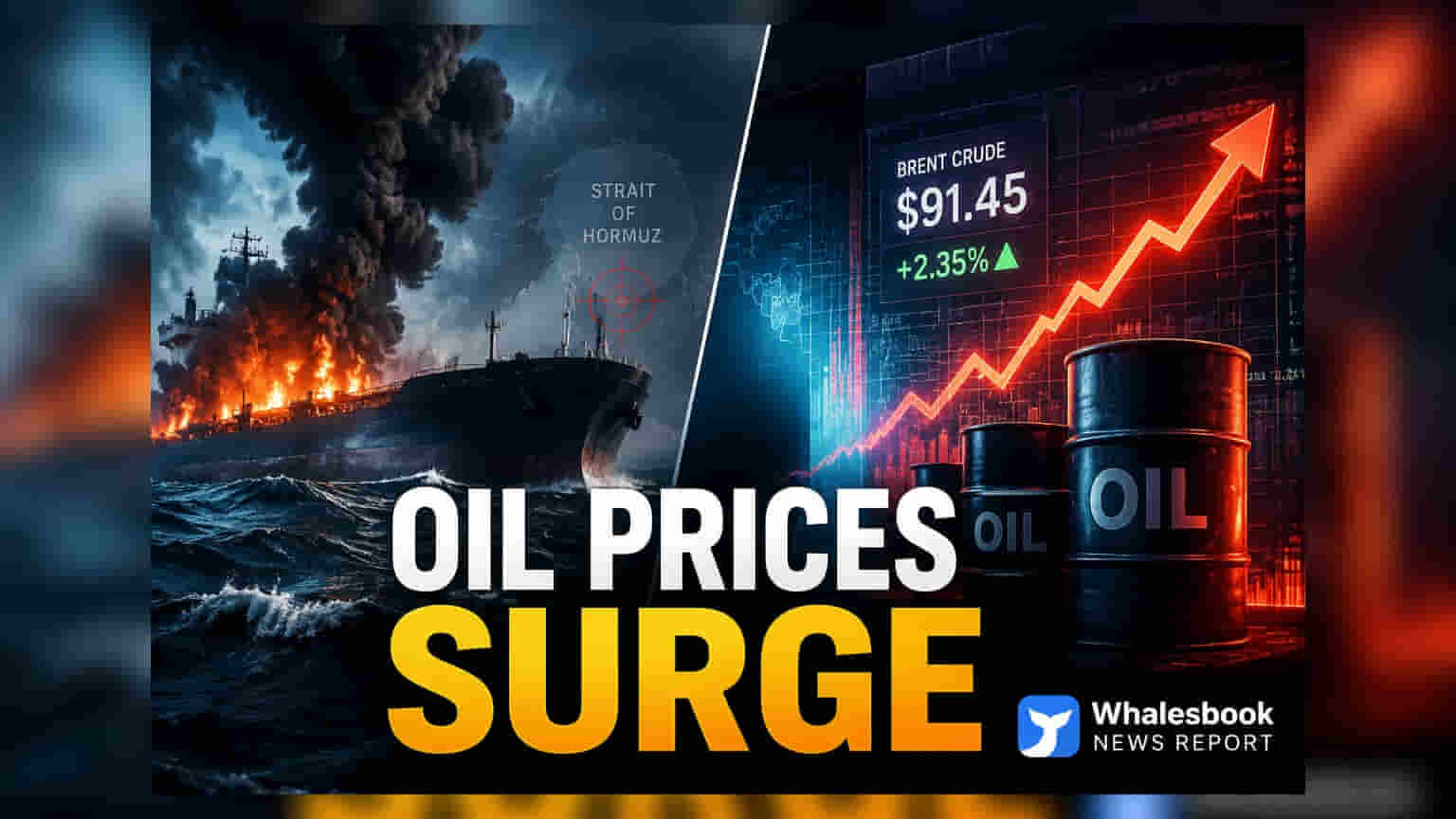
Crude oil prices ticked higher on Tuesday following reports of a tanker strike near the Strait of Hormuz. While geopolitical tensions provided a temporary boost, investors remain cautious due to rising global supply from the UAE and Saudi Arabia. The market is now focused on whether global demand, particularly from China, can absorb this additional production.
Crude oil prices saw a modest increase on Tuesday as renewed security concerns emerged in the Strait of Hormuz. A tanker was hit by a projectile near Oman, a critical shipping lane for global energy supplies. The United Kingdom Maritime Trade Operations confirmed the vessel caught fire, though reports indicated no environmental damage. An official investigation into the incident is currently underway.
Impact of Rising Global Supply
While the security incident initially pushed prices up, the broader market remains sensitive to increasing crude supply. Data indicates that production levels are rising among key exporters, which often offsets the price impact of short-term geopolitical shocks. The United Arab Emirates reported output exceeding 3.8 million barrels per day in June, reaching its highest level since April 2020. This surge reflects the country's move to increase production following changes to its output agreements.
OPEC+ Strategy and Saudi Pricing
Supply pressure is further influenced by the latest decisions from OPEC and its allies, including Russia, which have agreed to raise output by another 188,000 barrels per day starting in August. This follows a trend of steady production increases seen in June and July.
Additionally, Saudi Aramco has lowered the official selling price for its Arab Light crude for August, setting it at $1.50 below the Oman/Dubai average. This is the most significant price reduction from the company in over twenty years. For investors, this move is a clear signal that major producers are prioritizing the maintenance of their market share in a global environment where supply is becoming more abundant.
The Demand Factor
Looking ahead, the direction of oil prices will likely hinge on demand recovery rather than just supply or geopolitical events. Investors are closely monitoring economic data from China, a major consumer of energy, to see if physical demand aligns with earlier growth forecasts. Because the market has already factored in much of the current supply news, future volatility may depend on whether global consumption can keep pace with the ongoing production increases. Investors may track upcoming reports on Chinese industrial activity and global inventory levels to gauge the strength of demand.