

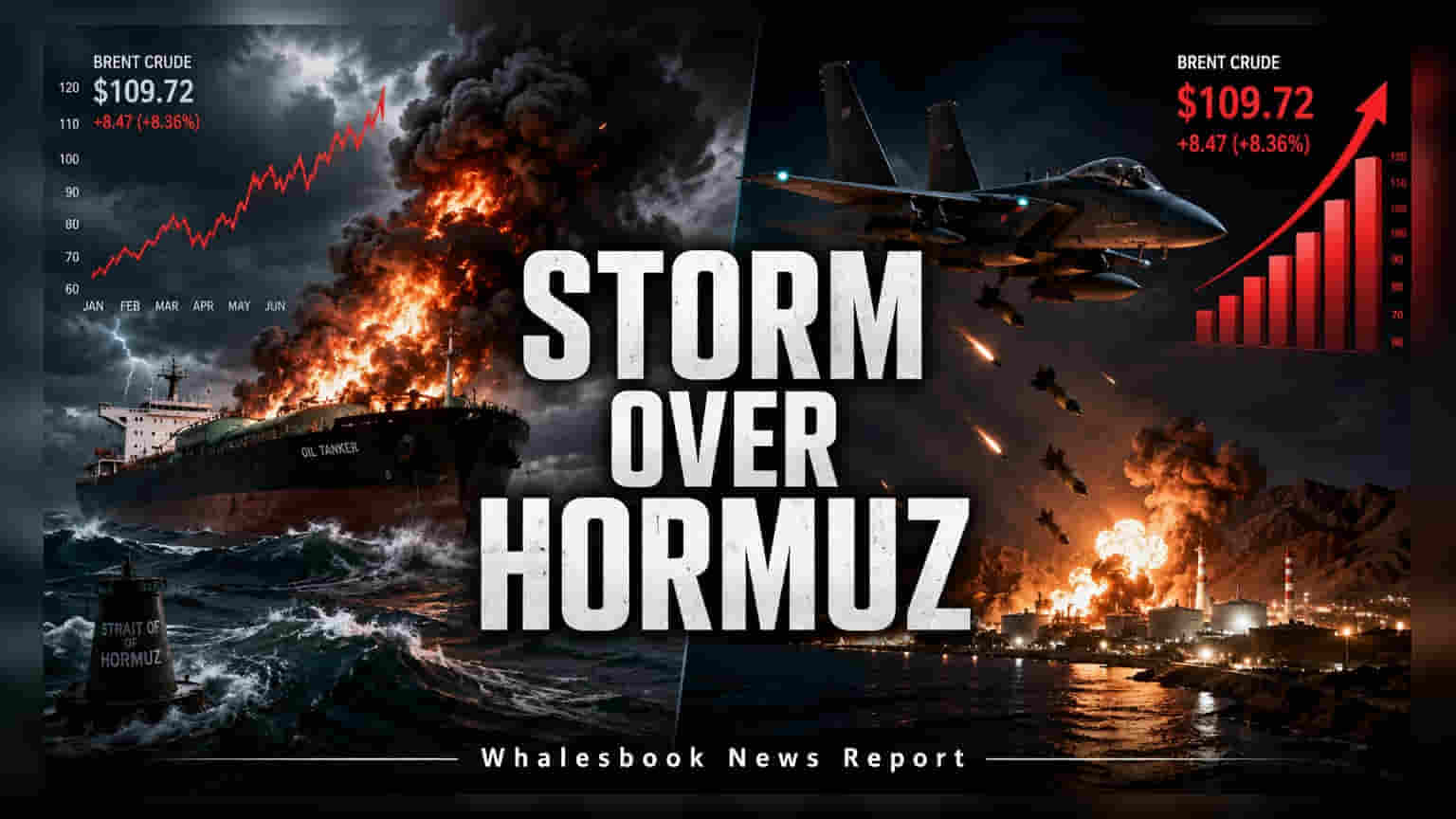
A commercial tanker was struck by a projectile in the Strait of Hormuz on Tuesday morning, adding to regional supply concerns. The incident follows intensified US military strikes against Iranian assets, raising fears of further disruptions to global energy transit through this critical waterway.
Detailed Coverage
A commercial tanker was struck by an unknown projectile in the Strait of Hormuz early Tuesday, according to the United Kingdom Maritime Trade Operations (UKMTO). This incident occurs against a backdrop of heightened tensions, as the waterway serves as a vital chokepoint for a significant portion of the world's daily oil and natural gas shipments. The disruption in this area typically causes immediate concern among global energy markets regarding the safety of shipping lanes and potential supply constraints.
Impact on Global Energy Markets
The Strait of Hormuz is essential for energy exports from the Middle East to international markets. Reports of vessels being targeted often trigger price volatility in crude oil. Brent crude has been observed trading above $88 per barrel, partly due to the uncertainty surrounding shipping stability in the region. For Indian investors, developments in this waterway are significant because India imports a large majority of its crude oil requirements, and sustained supply disruptions or price spikes can directly impact the nation's import bill and domestic inflation metrics.
Escalation in Regional Tensions
The attack follows ten consecutive nights of US military operations targeting Iranian military infrastructure, including command centers and air defense sites. These actions are part of a broader conflict involving retaliatory measures after reported military casualties in the region. Recent activity also includes reports of threats to shipping in the Red Sea, which is frequently used as an alternative route for energy exports. The combination of direct strikes and the targeting of commercial vessels creates a difficult environment for international shipping companies, potentially leading to higher insurance costs and altered transport routes.
Investor Monitorables
Investors may track several factors as this situation unfolds. The primary monitorable is the stability of energy transit through the Strait of Hormuz, as any prolonged closure or further attacks could exert upward pressure on global oil prices. Additionally, market participants will observe whether these geopolitical tensions lead to changes in central bank policies or government measures regarding fuel subsidies and energy security. The official statements from US Central Command and regional authorities regarding the scope of military operations and the status of shipping lanes will provide further clarity on the duration and intensity of these supply risks.