 Whalesbook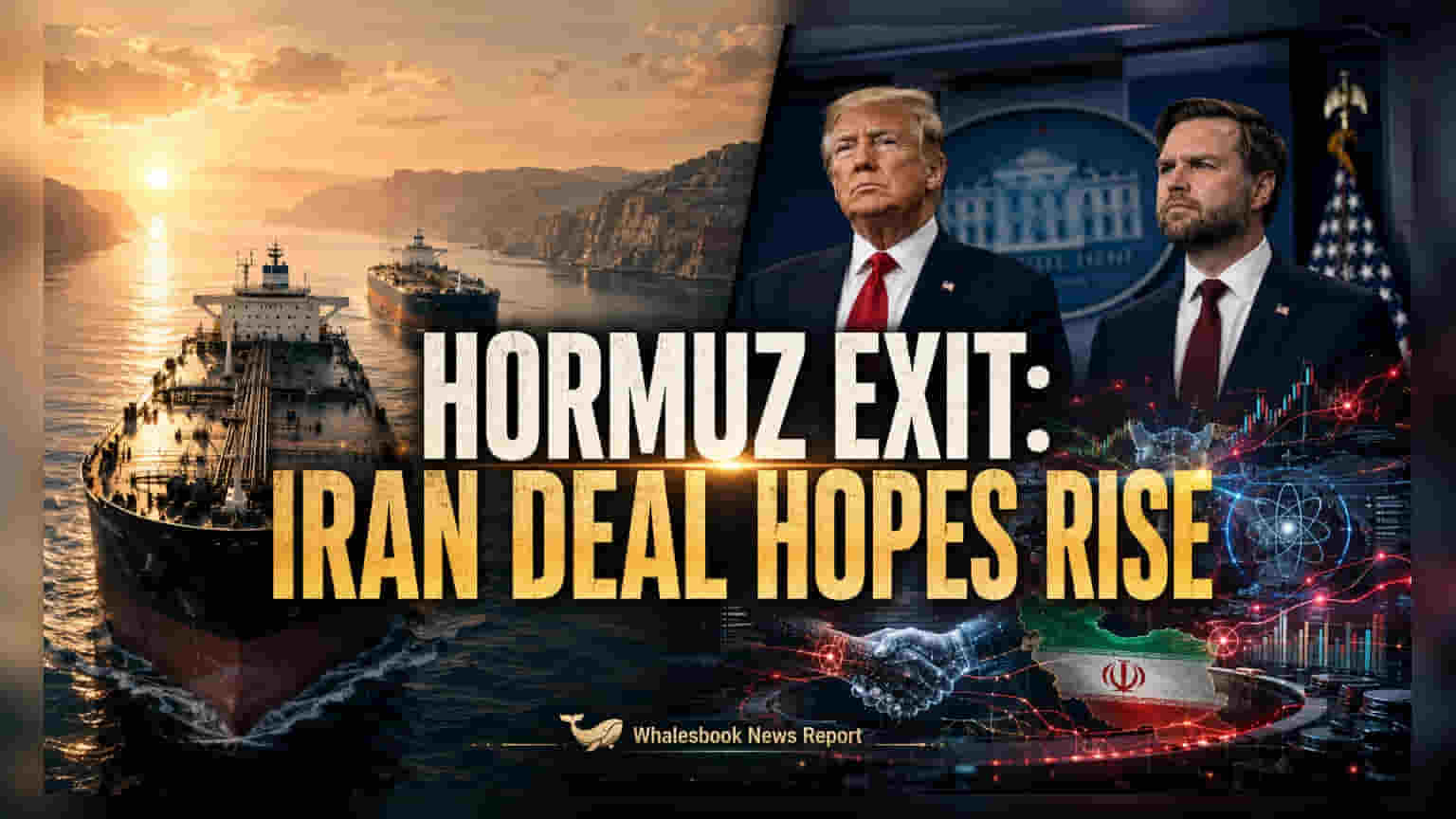


Chinese Tankers Safely Transit Strait of Hormuz
The safe passage of two Chinese oil tankers through the Strait of Hormuz, carrying significant crude oil, has marked a tangible de-escalation. This follows positive signals from the White House regarding discussions with Iran and offers a temporary reprieve in oil markets.
Market Reacts Cautiously to Geopolitical Shift
Brent crude futures briefly declined to $110.16 per barrel on news of the tankers' transit and the White House's optimistic outlook on U.S.-Iran talks. This reaction highlights the market's sensitivity to stability in major oil-producing regions. However, analysts like Toshitaka Tazawa of Fujitomi Securities stress the need to find genuine common ground, noting the U.S. administration's inconsistent positions. While the dip suggests some speculation on a quick resolution, crude prices remain volatile due to ongoing supply disruption concerns.
Stalemate and Iran's Position
President Trump has indicated a potential end to hostilities, referencing a revised proposal from Iran. Vice President Vance also expressed cautious optimism. However, Iranian state media suggests Tehran's offer, including ending hostilities and U.S. force withdrawal, resembles previous proposals rejected by the U.S. The U.S. aims to prevent a nuclear arms race, while Iran claims the pause in aggression acknowledges potential military consequences. A fragile ceasefire, largely holding since early April, has seen intermittent drone activity from Iraq, signaling persistent proxy conflicts and underlying tensions.
Lingering Disputes and Regional Instability
Despite current optimism, core issues in the U.S.-Iran conflict remain unresolved. Iran's terms, such as significant sanctions relief and the release of frozen assets, involve concessions the U.S. has historically resisted. Renewed hostilities or ongoing proxy conflicts pose a constant risk to oil supply routes and regional stability. Analysts point to shifting U.S. negotiation stances, adding unpredictability. Iran's military capabilities appear to have withstood external pressure, suggesting a lasting resolution requires more than a temporary de-escalation.
What's Next for Negotiations
The coming days are crucial for determining if the current de-escalation leads to a sustainable agreement or just a pause. The market will watch for specifics on Iran's proposal and the U.S. response, as any significant divergence could reignite oil price volatility. The deep-seated interests and complex regional geopolitics suggest a final resolution is still a distant prospect.