

Global oil benchmarks declined on Thursday as Saudi Arabia began using alternative shipping routes to bypass damaged pipeline infrastructure. Brent crude dropped over 1% following the update, though experts warn that regional geopolitical instability remains a significant risk for energy supplies.
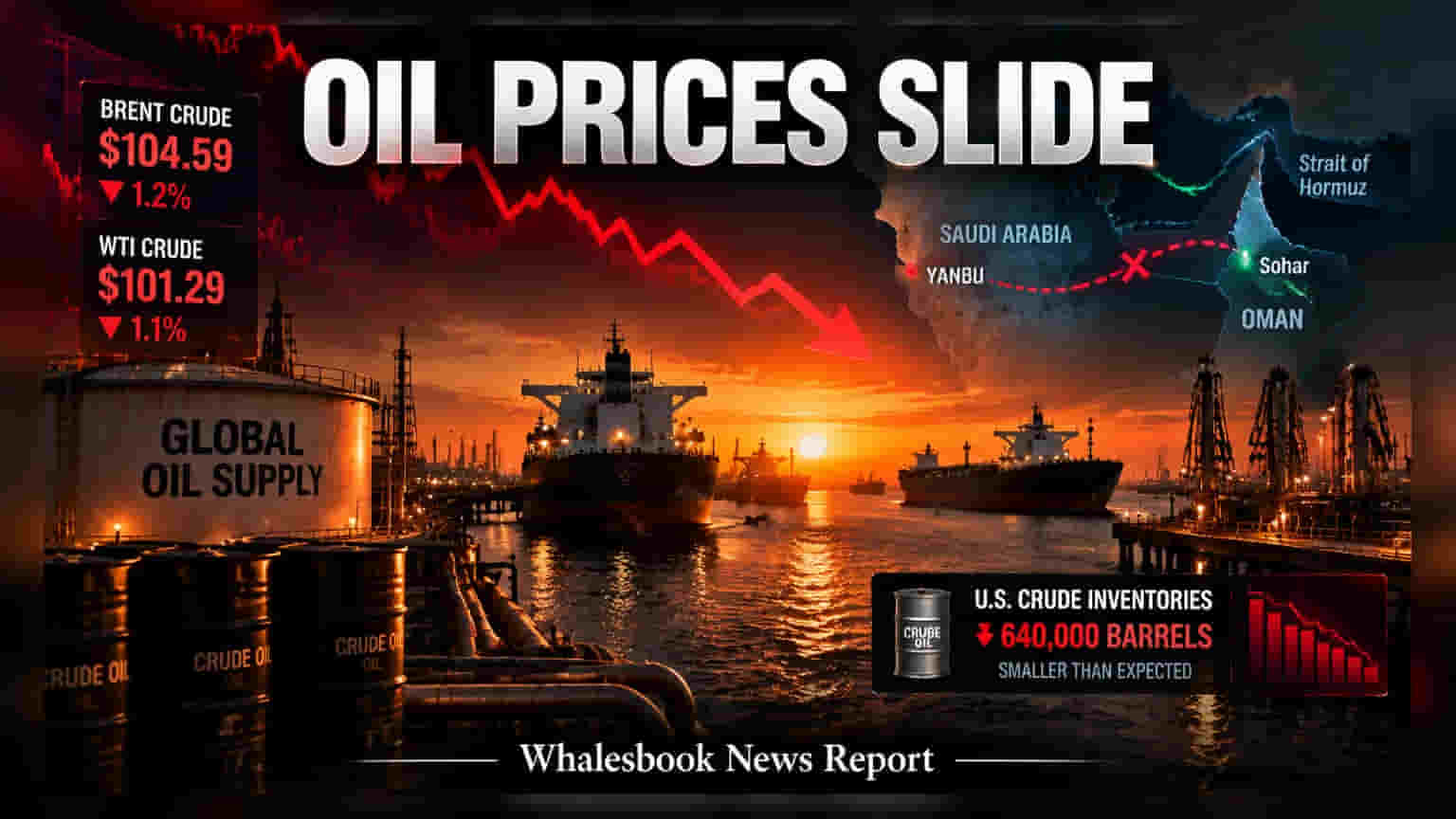
Global oil markets retreated on Thursday as investors assessed new measures taken by Saudi Arabia to keep crude flowing. Brent crude prices fell 1.2% to $104.59 per barrel, while West Texas Intermediate slipped 1.1% to $101.29 per barrel. The decline follows news that the Kingdom is successfully using ship-to-ship transfers off the coast of Oman to maintain export schedules.
Saudi Arabia Navigates Supply Bottleneck
The supply fears that drove prices higher in previous sessions have cooled after Saudi Arabia turned to the port of Sohar in Oman. This move allows the country to bypass critical infrastructure issues on the East-West pipeline. Recent attacks had damaged pumping stations, forcing the suspension of crude loadings at the Yanbu Red Sea hub. While the new shipping route offers an immediate solution for Asian refiners, the relief is considered temporary by many in the industry. The East-West pipeline was a major export channel, and there is currently no official timeline for when these damaged stations will be fully operational again.
US Inventory Data Signals Softer Demand
Beyond the supply logistics, oil prices were also affected by the latest data from the United States Energy Information Administration. The report showed that domestic stockpiles decreased by 640,000 barrels last week. This number was lower than what many analysts had expected, with the market having predicted a larger draw of 1.62 million barrels. The smaller-than-anticipated reduction suggests that demand in the world’s largest oil-producing nation is currently muted.
Geopolitical Risks Remain High
Despite the stabilization efforts, the energy sector continues to face significant pressure from regional conflict. The recent attacks on Saudi infrastructure have highlighted the vulnerability of energy transport routes, including the Strait of Hormuz, which is a vital passage for global oil. While the current ship-to-ship transfers are easing short-term bottlenecks, the situation remains fragile. Any escalation in conflict could create new supply disruptions. Traders are also watching for potential diplomatic developments between the United States and China, hoping that upcoming high-level summits might help lower global trade and energy tensions. For now, the combination of restored supply routes and weaker-than-expected demand data is keeping price volatility in check.