

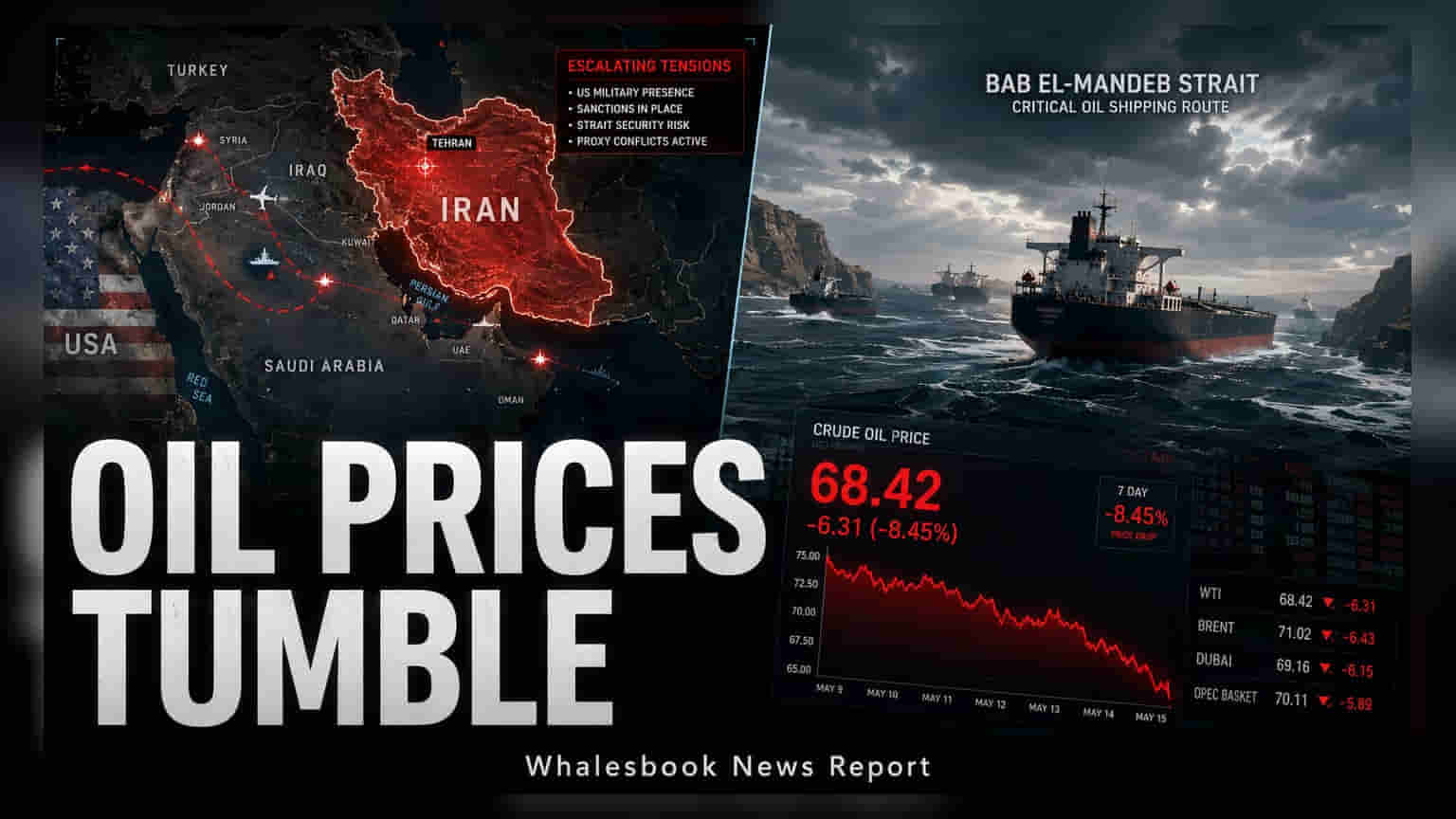
Brent crude fell 1.42% to $89.45 a barrel on Thursday as shipping through key Middle Eastern straits showed unexpected resilience. Despite rising US-Iran tensions, sustained tanker volumes have eased immediate supply fears. Investors are now tracking whether these shipping routes can remain stable or if further geopolitical escalations will trigger fresh price volatility.
Global crude oil prices retreated on Thursday, marking a cooling period after significant gains in the previous session. Brent crude futures dropped 1.42% to $89.45 per barrel, while US West Texas Intermediate (WTI) crude saw a 0.66% decline to $83.90 per barrel. The dip follows a sharp rally earlier in the week, where Brent had surged nearly 8% amid heightening concerns over the stability of Middle Eastern energy transit routes.
The recent price moderation is largely attributed to data suggesting that critical shipping lanes are remaining functional despite ongoing regional instability. On Tuesday, approximately 39 commodity vessels passed through the Bab el-Mandeb strait, reaching the highest transit volume since July 19. This flow of traffic indicates that global energy markets are adapting to the conflict by utilizing alternative routes, which helps limit the immediate impact on global oil supply chains.
Strategic Importance of Shipping Routes
For energy markets, the ability of oil to continue moving out of the Middle East is a vital indicator for price stability. The Strait of Hormuz has long been a primary choke point for global energy trade. As shipping companies and energy firms develop and maintain workarounds to keep oil flowing, the leverage held by regional actors over global energy prices may face pressure. Analysts have noted that while overall traffic remains below normal levels, the consistency of these alternative methods is providing a buffer against the escalating conflict between US-Saudi forces and Iran-backed groups.
Geopolitical Risks and Market Sensitivity
The broader conflict continues to evolve, with recent reports indicating that US-Saudi forces conducted coordinated strikes against paramilitary groups in Iraq. This development, combined with drone attacks on regional energy facilities and reports of military activity near the Strait of Hormuz, keeps the geopolitical risk premium high. Saudi Arabia is also reportedly assessing the creation of a coalition to secure Red Sea shipping lanes from external threats. While current tanker traffic suggests resilience, the market remains highly sensitive to any sudden disruption at these critical maritime bottlenecks.
Investors monitoring the energy sector should track the daily volume of transit through the Red Sea and the Strait of Hormuz as a primary gauge for supply stability. Any new restrictions or formal closures of these waterways would likely alter the current supply outlook significantly, potentially reversing the recent price cooling. Additionally, developments in the diplomatic efforts to secure these routes will be essential for understanding future volatility in oil futures.