

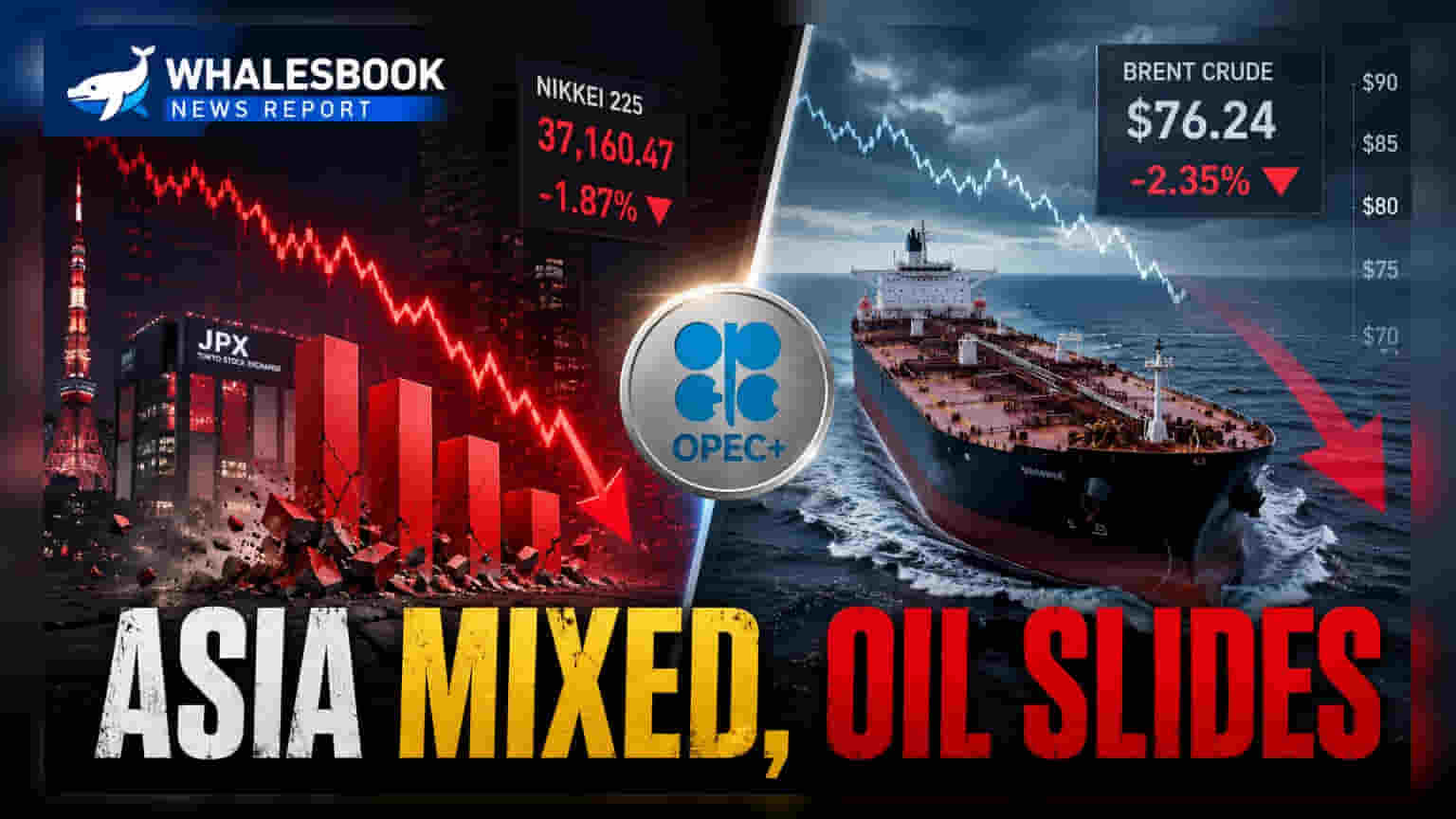
Global oil prices fell after OPEC+ announced a production increase of 188,000 barrels per day starting in August. This marks the group's fifth consecutive monthly hike, though supply concerns persist. For Indian investors, the move could influence domestic fuel import costs and impact inflation expectations in the coming weeks.
Global oil markets reacted with a decline on Monday following the latest announcement from OPEC+. The group, which includes major producers like Saudi Arabia, Russia, and Iraq, confirmed it will add 188,000 barrels per day to its supply starting in August. This decision continues a trend of five straight months of production increases as members seek to balance global supply levels.
Impact on Global Benchmarks
Despite the planned output increase, oil prices remained under pressure. Brent crude, a key global benchmark, fell by 25 cents to trade at $71.87 per barrel. Similarly, the US benchmark, West Texas Intermediate, saw a decline of 10 cents to reach $68.59 per barrel. While increased supply usually leads to lower prices, the market response suggests that traders are still weighing these supply numbers against broader global demand concerns and ongoing geopolitical risks that could affect future availability.
Regional Market Trends
Asian stock markets showed a mixed performance on Monday, partially influenced by broader regional sentiment and sector-specific weakness. Japan's Nikkei 225 index saw a decline of 0.4%, closing at 69,468.17, driven largely by a downturn in major technology companies like SoftBank Group and Tokyo Electron. Similarly, South Korea's Kospi index fell by 0.8% to 8,027.12. In contrast, markets in Hong Kong and mainland China saw modest gains, with the Hang Seng index rising 0.8% and the Shanghai Composite index moving up 0.1%.
Context for Indian Investors
For Indian markets, movements in crude oil prices carry significant weight. Since India imports a large portion of its energy requirements, lower international oil prices can be a positive factor for the current account deficit and may help moderate inflation. However, if supply uncertainties persist or global demand fluctuates, the volatility in oil markets can complicate price forecasting for oil marketing companies and energy-intensive sectors like transportation, chemicals, and manufacturing. Investors should monitor how these production levels affect fuel prices and whether the continued output increases from OPEC+ effectively stabilize the global market or if pricing pressures remain driven by external factors.