

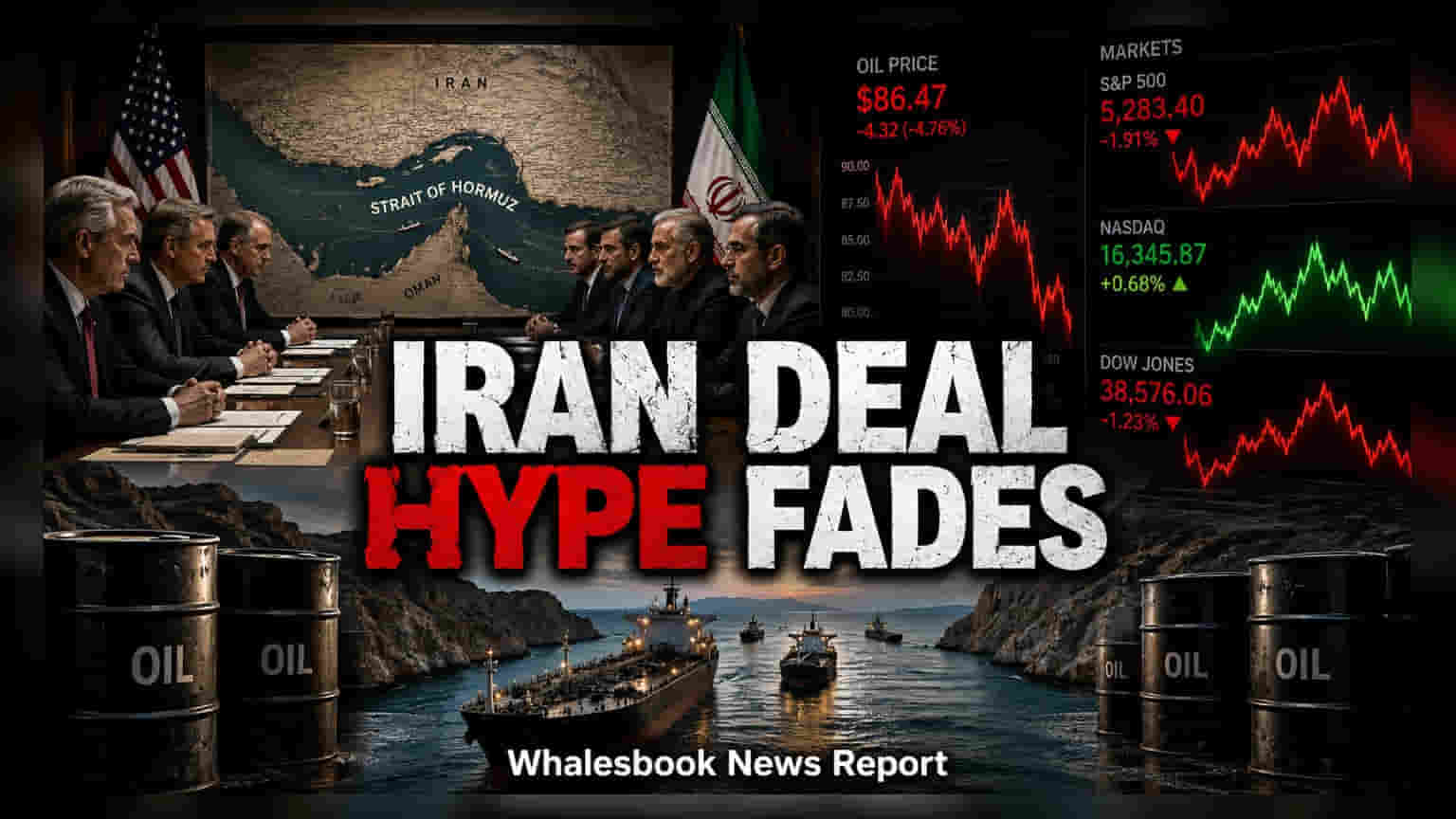
Optimism regarding a US-Iran agreement over the Strait of Hormuz has faded as diplomatic negotiations reach a deadlock. With shipping traffic near three-month lows and regional tensions rising, investors are bracing for continued uncertainty in global energy and commodity markets.
The initial market optimism surrounding potential diplomatic progress between the United States and Iran has largely evaporated. As of mid-August 2026, negotiations to reopen shipping lanes through the critical Strait of Hormuz remain stalled, with Iran insisting that any reopening is contingent upon the lifting of sanctions, compensation for war damage, and the release of frozen assets. This impasse has renewed concerns about long-term stability in one of the world's most vital energy transit routes.
Escalating Regional Tensions
The security situation in the Gulf has shown signs of further deterioration. Maritime traffic through the strait has fallen to near three-month lows, reflecting heightened operational risks for commercial shipping. Recent incidents, including an attack on an ADNOC vessel, have highlighted the vulnerability of energy shipments. The rhetoric between the two nations has also sharpened; US President Donald Trump recently threatened to declare the strait as US territory, a move Iran has formally rejected as unacceptable. Furthermore, the appointment of Mohsen Rezaei as Iran's new national security adviser suggests a hardening of the country's strategic stance, further complicating diplomatic efforts.
Impact on Global Energy Markets
For global investors, the primary concern lies in the potential for supply chain disruptions. The Strait of Hormuz serves as a major chokepoint for global oil and gas exports. Any prolonged closure or increased military activity creates immediate pressure on commodity prices. While the market has seen temporary price swings based on news headlines, the underlying reality is one of structural fragility. Shipping companies face rising operational costs due to security premiums, and any escalation could lead to significant spikes in energy costs, impacting everything from transport to manufacturing.
Strategic Shifts and Future Risks
Beyond the immediate diplomatic gridlock, structural shifts in how nations source their energy are becoming more pronounced. Governments worldwide are actively seeking to reduce their dependency on the Gulf region, investing in new pipelines and diversifying their import sources. This long-term trend aims to build a buffer against regional instability but does little to alleviate short-term price volatility. Investors should closely monitor upcoming developments regarding vessel security, any potential changes in maritime policy, and whether diplomatic channels remain open. The risk of direct military confrontation or wider regional conflict in the West Asia theater remains a critical factor that could disrupt global energy supply lines without warning.