 Whalesbook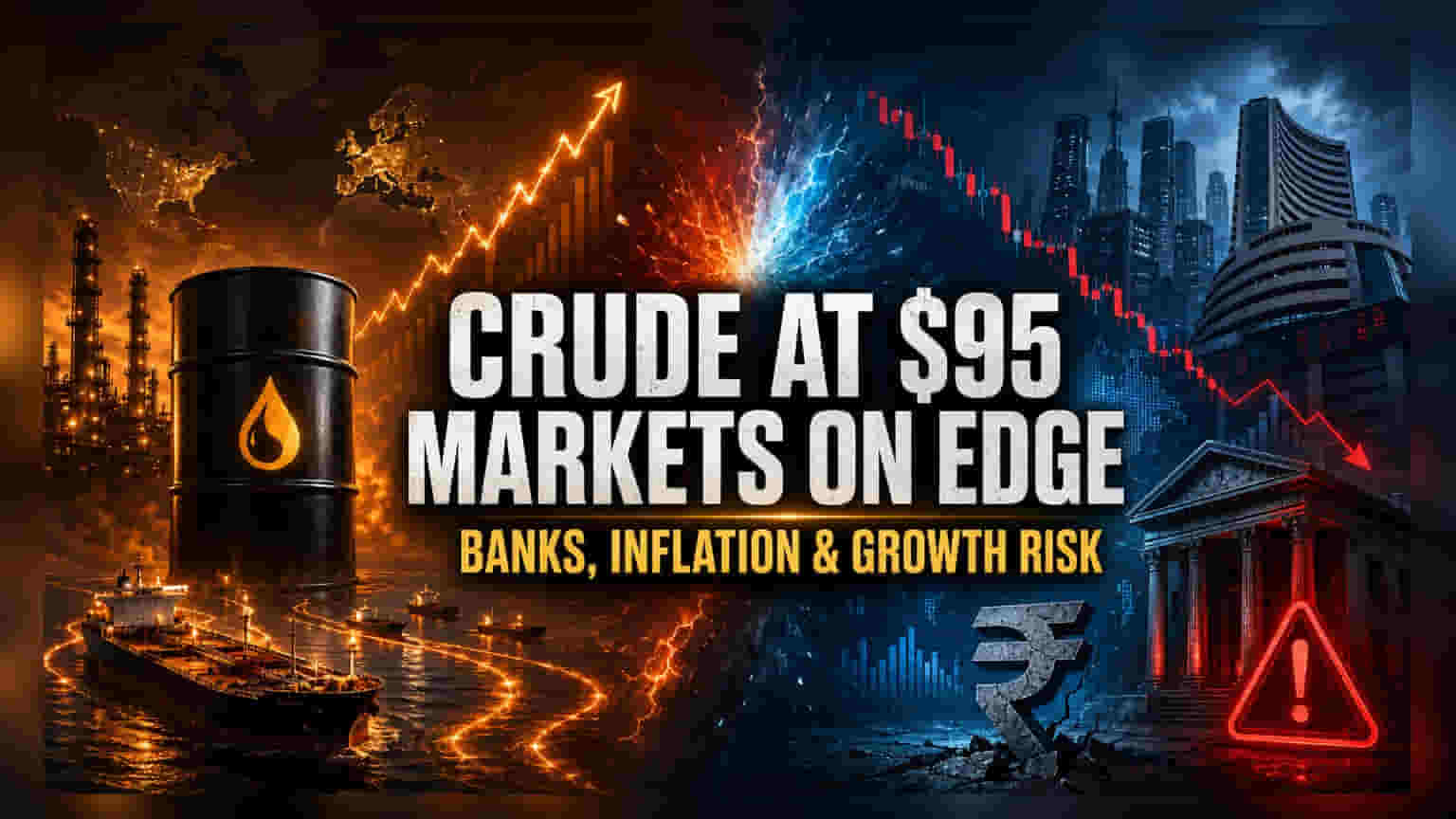


The Supply Premium and Structural Instability
The persistence of crude oil prices near the $95 threshold suggests that the market has priced in a permanent risk premium rather than a temporary volatility spike. This elevation is not merely a response to current West Asian developments but a reflection of degraded logistical confidence in global transit corridors. When supply chains tighten, the immediate consequence is not just a rise in input costs, but a fundamental re-rating of sectors heavily reliant on energy, particularly Indian manufacturing and transport, which are now witnessing aggressive margin compression.
Sectoral Contagion and Institutional Caution
The impact of high energy prices extends beyond the pump, creating a ripple effect through the domestic financial ecosystem. Recent regulatory signals, including the Securities and Exchange Board of India issuing warnings to major banking entities, combined with the strategic pivot by large asset managers to restrict inflows into gold-linked products, indicate a flight to liquidity. Investors are increasingly wary of the dual pressure of imported inflation and tightened monetary conditions. Unlike previous cycles where growth expectations cushioned the blow of energy shocks, current market participants are prioritizing capital preservation over aggressive exposure to interest-rate-sensitive assets.
The Forensic Risk Assessment
From a risk perspective, the primary danger lies in the potential for stagflationary pressure. Should oil remain at or above these levels, the domestic consumer price index faces upward trajectory risk, forcing the Reserve Bank of India into a difficult position regarding liquidity management. Furthermore, the banking sector faces idiosyncratic risk from increased scrutiny of compliance and operational governance. If lenders are forced to tighten credit to compensate for regulatory pressure, the cost of borrowing will rise precisely as energy costs suppress profitability, creating a double-bind for industrial output. Investors should note that the current valuation multiples in the banking and energy-intensive sectors do not yet fully account for a prolonged period of elevated energy prices and stricter regulatory oversight.
The Macro Trajectory
Moving forward, market attention is shifting toward the upcoming policy review cycles. Consensus remains divided between those expecting moderate economic resilience and those anticipating a sharp contraction in industrial earnings. The prevailing institutional sentiment is to monitor the spread between Brent and local import benchmarks, as any widening of this gap would signal severe logistical bottlenecks. The reliance on imported energy continues to be the primary structural vulnerability, leaving the local equity markets vulnerable to external geopolitical shocks regardless of domestic policy initiatives.