

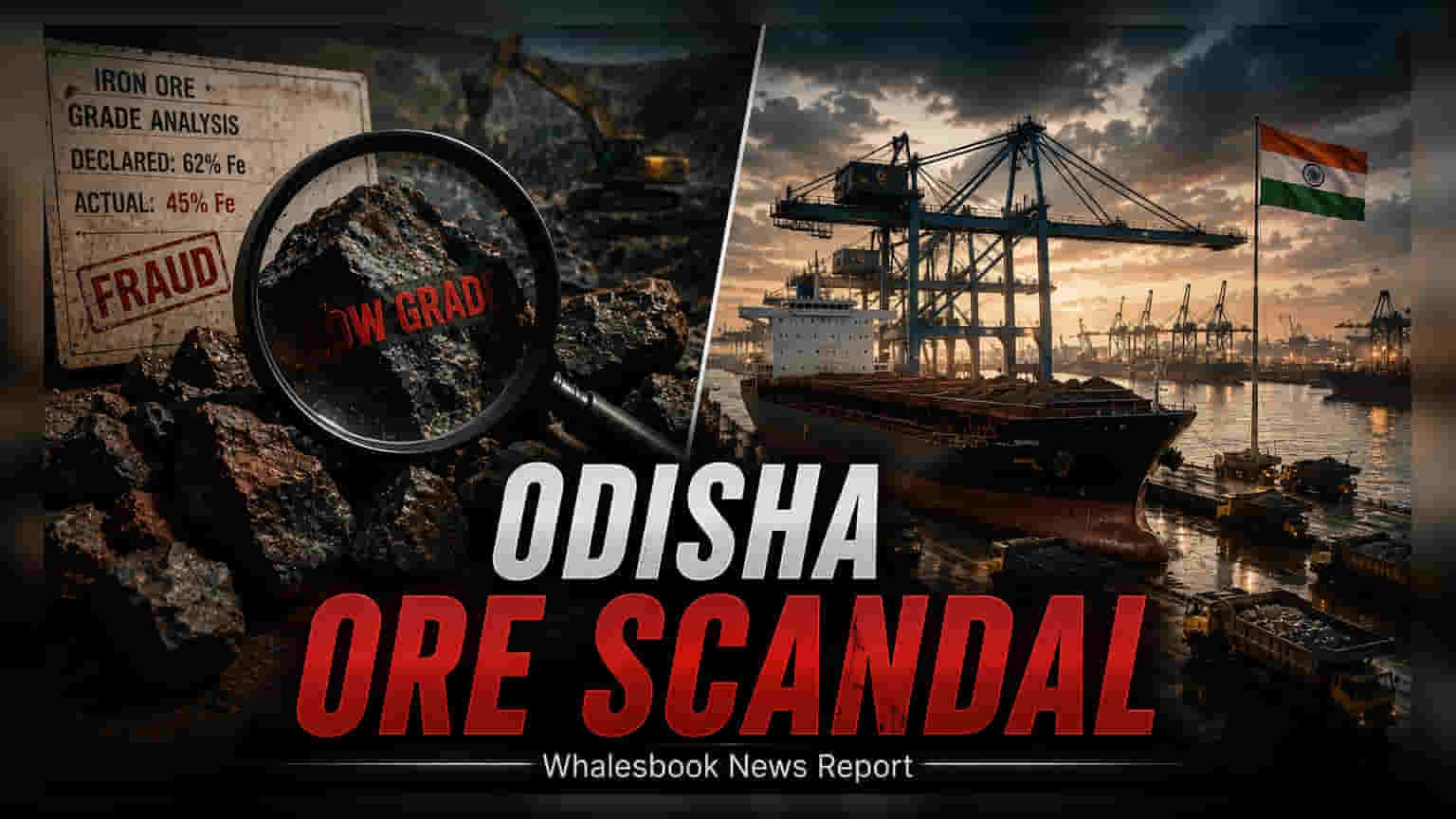
Odisha has increased scrutiny on iron ore grades after the CAG reported a potential ₹4,160 crore revenue loss from royalty underreporting. The move targets major miners like JSW Steel and Tata Steel, potentially creating short-term supply chain and export disruptions. Investors may monitor whether this compliance drive leads to higher operational costs or temporary logistics delays for steel producers.
Detailed Coverage
Odisha, which accounts for a significant portion of India's iron ore output, has initiated a stricter verification process for iron ore grades at mine sites. The state’s Directorate of Mines and Geology has issued a directive requiring local officials to justify any discrepancies in ore grade reporting within three days or face disciplinary measures. This action follows findings by the Comptroller and Auditor General (CAG) of India, which pointed to a revenue loss of approximately ₹4,160 crore during the 2021 and 2022 fiscal years due to the under-reporting of ore quality.
Impact on Royalty and Operations
In India, iron ore royalties are pegged at 15% of the sale price. Because ore with an iron content of less than 55% attracts lower royalty rates than high-grade ore, there is a strong financial incentive for producers to accurately declare grades. The CAG report specifically noted a trend of declining reported grades at various sites, including those operated by major players like JSW Steel, Tata Steel, SAIL, Jindal Steel, and ArcelorMittal Nippon Steel India. The current crackdown covers key mining hubs, including Joda, Koira, and Keonjhar, to ensure that royalty payments align with the actual market value of the extracted minerals.
Potential Market and Export Consequences
This regulatory focus may lead to short-term logistical delays as mine operators adjust to more frequent and rigorous quality inspections. Market reports suggest that some miners have already paused new sales, contributing to tighter conditions in the spot market and increased inventory levels at mine sites. The development is particularly relevant for the export sector, as nearly 90% of India's low-grade iron ore exports—excluding pellets—are shipped to China. If the inspection process results in sustained supply constraints, it could affect the cost and availability of iron ore for both domestic steelmakers and Chinese buyers who rely on these specific grades to manage production costs.
Investor Monitorables
For investors, the immediate impact centers on regulatory compliance and the possibility of higher operational expenses. While the state government’s focus is currently on revenue recovery and adherence to mining laws rather than production caps, the situation remains fluid. The key monitorable will be whether the increased oversight leads to higher royalty outgo for mining companies or forces a change in how these firms classify and sell their ore. Additionally, stakeholders should watch for any updates from major steel producers regarding their supply chain stability and potential adjustments to their reported ore grades in upcoming quarterly disclosures.