

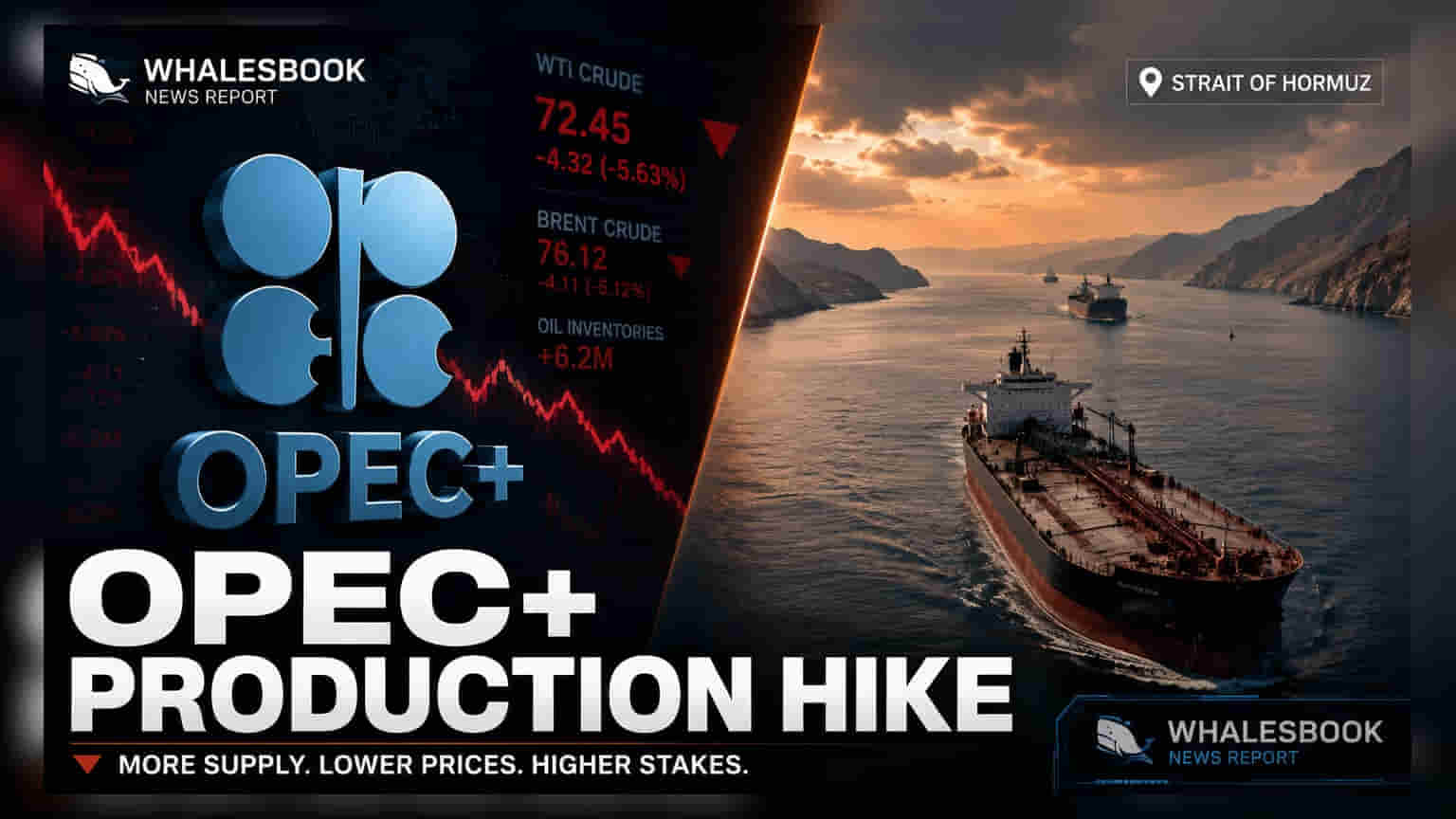
OPEC+ will increase crude oil production by 188,000 barrels per day in August, marking its fifth straight month of rising supply. The move highlights a shift toward prioritizing market share over price support as global demand growth remains moderate. Lower oil prices could influence inflation trends and company input costs for Indian industries reliant on crude derivatives.
The OPEC+ alliance has officially approved a production increase of 188,000 barrels per day effective from August. This decision continues the group's ongoing strategy of slowly reversing the voluntary supply cuts that were first put in place during 2023. This marks the fifth month in a row that the cartel has opted to expand its output, signaling a clear shift in its management of the global energy market.
Strategic Pivot to Market Share
The decision to increase supply is heavily influenced by a de-escalation in Middle Eastern geopolitical tensions, specifically following the reopening of the Strait of Hormuz. With supply chain fears easing, OPEC+ members like Saudi Arabia are focusing on maintaining their global market share. By gradually increasing production, the cartel aims to keep crude prices at levels that discourage high-cost non-OPEC producers, such as those in the American shale industry, from ramping up their own supply too aggressively. This strategy suggests that the era of defending elevated price points may be taking a secondary role to long-term market dominance.
Impact of Subdued Global Demand
The move also aligns with a cooling trend in global oil demand. Economic growth in China, which has traditionally been a major driver of consumption, has been slower than expected. Additionally, the broader move toward energy efficiency and the rising adoption of renewable energy sources have tempered the overall demand outlook. With supply rising while demand remains measured, major industry bodies like the U.S. Energy Information Administration now project a well-supplied market, which is generally expected to keep crude prices range-bound.
Risks and Financial Implications
For investors, the primary risk remains the balance between supply growth and actual market consumption. While the increase is intended to be moderate, any unexpected economic slowdown could lead to an oversupply, putting further downward pressure on oil prices. Conversely, if operational constraints or infrastructure issues in member countries prevent them from meeting their new quotas, the expected supply increase might not fully materialize, potentially limiting the downward impact on prices. Analysts, including those at JPMorgan, have suggested a cautious medium-term outlook, with some estimates pointing toward Brent crude averaging around $60 per barrel for 2026.
The effectiveness of this strategy will depend on the cartel's ability to maintain discipline in its monthly production adjustments. Investors should monitor future updates on actual production volumes versus these official targets, as well as any shifts in demand data from major economies, to gauge how oil prices will impact inflation and the input costs for sectors like paints, lubricants, and chemicals in the Indian market.